An 18-year-old sprinting toward the U.S. Capitol with a loaded shotgun didn’t spark a shootout—because a quiet, unglamorous habit stopped it cold.
Quick Take
- Carter Camacho, 18, from Smyrna, Georgia, ran toward the Capitol’s West Front carrying a loaded shotgun and extra ammunition.
- U.S. Capitol Police intercepted him at the Lower West Terrace, issued clear commands, and he complied immediately.
- Tactical gear found on him suggested planning, but investigators had not identified a motive in early reporting.
- Chief Michael Sullivan credited monthly active-threat drills—one held in the same area—for the speed and discipline of the response.
One Minute at the West Front, and the Day Could Have Been Remembered for Years
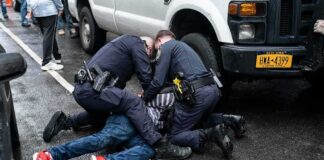
February 17, 2026 unfolded like a normal tourist day near the West Front—right up until it didn’t. Just before noon, Carter Camacho parked a white Mercedes SUV near the U.S. Botanic Garden, then exited with a shotgun and ran toward the Capitol. Officers met him at the Lower West Terrace, ordered him to drop the weapon, and he did. No shots. No injuries. The question that lingers is why this ended so cleanly.
That clean ending wasn’t luck, and it wasn’t magic. It was a test of whether the post–January 6 security posture is real in the moments that count. Camacho’s immediate compliance mattered, but so did the officers’ ability to close distance, issue commands, and control the scene in seconds without turning a tense standoff into a tragedy. People who dismiss “training days” as bureaucracy got a live demonstration.
The Small Detail That Changes How You Read the Whole Incident: Routine Drills
Chief Michael Sullivan highlighted a detail most people skim past: Capitol Police run active-threat exercises monthly across the complex, and they had held one on the West Front at the same location months earlier. That matters because officers don’t rise to the occasion; they fall to their level of preparation. When an armed individual moves fast, the first 15 seconds decide whether the next 15 minutes become a national nightmare.
From a conservative, common-sense standpoint, this is what “fund the mission” actually looks like. Not flashy gear for press conferences, not endless committees after the fact, but repetitions that make an officer’s response automatic under stress. The incident also undercuts a cynical assumption that every encounter must end with force. Firm commands, clear positioning, and practiced coordination created a path for surrender. Camacho took it.
Tactical Gear, Extra Ammunition, and the Fog Around Motive
Reporting said Camacho wore tactical equipment, including a tactical vest and other protective items, and carried additional rounds beyond the loaded shotgun. That combination pushes reasonable people to suspect premeditation, but investigators had not publicly established a motive in the early coverage. Capitol Police said their Threat Assessment Section continued investigating. That gap—highly suggestive preparation with no clear “why”—is exactly where the public imagination can outrun the facts.
Adults over 40 have seen how that ends: speculation hardens into “truth” online, and soon the conversation becomes more about partisan fantasies than real prevention. American order depends on resisting that impulse. The responsible angle here is practical: how did he get close enough to park and move toward the building with a long gun, and what layered screening or patrol patterns prevented him from reaching crowds or entry points before officers engaged?
Why Immediate Compliance Matters More Than People Want to Admit
Camacho dropped the weapon when ordered. That single decision likely saved his life and spared officers from a split-second lethal choice. The public often talks as if de-escalation is a slogan; in reality it’s a two-party transaction. Officers can provide the off-ramp with professional commands and restraint, but the suspect has to take it. When he does, you get an arrest, not a funeral, and the justice system can do what it’s designed to do.
A visitor on scene praised the police response and said it “could have very well went another way.” That’s not dramatic commentary; it’s a sober read of how quickly these incidents unravel. In the conservative view, law enforcement credibility rises when the public sees discipline: swift control, minimum force necessary, no grandstanding. The officers’ performance also strengthens the case for continued readiness work rather than reactive security theater.
The Uncomfortable Open Loop: Access, Vehicles, and the Next Attempt
Early details left key questions unresolved, including the suspect’s background and the circumstances around the vehicle. Officials said they found no ongoing threat and no additional suspects, and the area reopened after police secured the scene. That’s reassuring, but it’s also a reminder that the Capitol remains a symbolic target. The next person might not comply. Training helped this time; the next time may test physical barriers, detection, and perimeter decisions.
https://twitter.com/BC_News1/status/2024003707268948250
The takeaway isn’t fear; it’s clarity. Capitol security succeeds when professionals train like the threat is real, because it is. Citizens should demand two things at once: serious protection of public institutions and sober, fact-based accountability that doesn’t politicize every unknown. Camacho’s motive remained under investigation in the initial reporting, but the operational lesson already stands: repetition beat chaos on the West Front, and it did it without firing a shot.
Sources:
18-Year-Old with Loaded Shotgun Arrested After Running Toward US Capitol – WJLA
US Capitol Police Detain Person Holding What Appears Gun Near Capitol Building – Fox News
USCP Officers Stop, Arrest Man with Loaded Shotgun Outside US Capitol – US Capitol Police