
New York City just promised 1,000 safer intersections a year while hunting the worst drivers who cause nearly 40% of deaths.
Story Snapshot
- A 10-year city plan packs 100+ safety commitments across 19 agencies.
- The focus targets repeat reckless drivers with “super speeder” and ghost-plate crackdowns.
- Street fixes like hardened daylighting and redesigned intersections anchor the strategy.
- Some details, like pedestrian-only districts, remain thin and will need proof in practice.
What City Hall Put On The Table
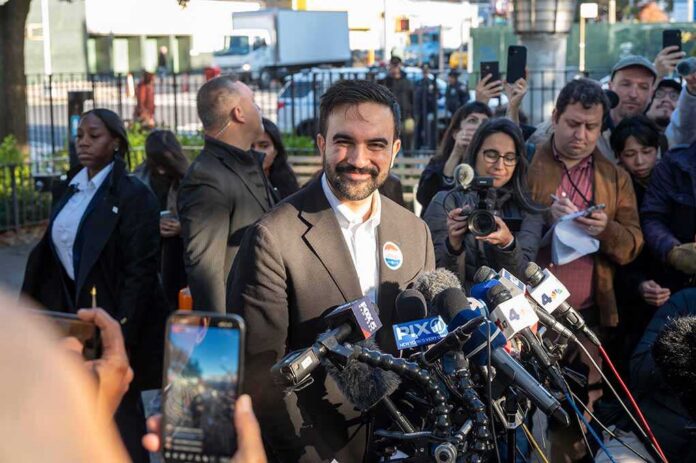
Mayor Zohran Mamdani rolled out a decade-long “Vision Zero Reimagined” plan with more than 100 actions and a citywide delivery team of 19 agencies. The city says it will install hardened daylighting or better at a minimum of 1,000 intersections every year. It will expand protected bike lanes and pedestrian priority zones. It also promises tougher steps on rogue plates, high-risk speeding, and better safety tech in the municipal fleet. These are formal commitments, not slogans.
The plan leans on a safe-systems model. That means people will make mistakes, so the street must forgive them. Lower speeds and clearer sight lines give everyone a margin for error. City Council data backs that logic. Interventions that slow turns, widen view angles, and set lower limits cut casualties the most across New York’s last decade of projects. That pattern is clear even when other tools show mixed results citywide.
The Driver Problem The City Wants To Crack
City leaders say a small, dangerous group drives a large share of deadly risk. They cite repeat reckless drivers tied to nearly 40% of traffic deaths. The response includes a “super speeder” program, more plate integrity checks, and broader automated enforcement. That pairs with vehicle standards for city fleets, like automatic emergency braking and audible alerts, to lower harm even when someone slips up. The mix aims at the biggest risks first.
That focus aligns with common sense and conservative values. Target the proven, repeat harm-doers. Fix the most dangerous spots where families cross every day. Hold bad actors to account with real consequences, not general crackdowns that snag safe drivers. If the city follows through on this, it can raise safety without making daily life a ticket mill or a maze of gotchas.
Street Fixes That Change Outcomes
Intersection daylighting blocks parking near corners so drivers can actually see people entering the crosswalk. Hardened islands and curbs slow turning cars and set clean paths for everyone. Those tweaks do not rely on perfect behavior. They shape behavior. New York’s own data shows the strongest, most steady casualty drops come from speed and visibility changes like these. They are not trendy paint jobs; they are proven guardrails.
Highlights of the Mamdani admin's Vision Zero plan include: Creating "pedestrian-only" zones, expanding towing capacity, expanding the implementation of 20mph speed limit zones, and more. https://t.co/yGddEj6pVF pic.twitter.com/JaNjbct3CP
— Streetsblog New York City (@StreetsblogNYC) September 19, 2026
City Hall also plans pedestrian-priority zones and some pedestrian-only districts. The target areas and standards need more detail. Reports say the blueprint names the concept but leaves the map and design playbook for later updates. That gap gives critics room to say the plan is more vibe than blueprint on this part. The idea can cut crashes, but the city must publish maps, traffic routing plans, and metrics before the pitch lands with skeptics.
The Open Questions That Will Make Or Break It
Several pieces hinge on execution. The city talks about behavior change and tools, but the schedule, staffing, and legal steps for enforcement need a public dashboard. Some measures may also need state action in Albany. That creates risk on timing and authority. The mayor’s team can blunt that risk by posting monthly counts on repeat-violator stops, ghost-plate seizures, tows, and case outcomes, along with where and when each new street fix goes in.
Delivery discipline matters even more because the public has a short fuse. If visible benefits lag, the loudest story will be congestion and parking fights, not safer crossings. Canal Street already shows how pushback can shift phases, even when the deadliest blocks need help first. Leaders should stage pilots, publish before-and-after crash numbers, and scale what works fast. Results close mouths. Wait-and-see talk does not.
How To Judge This Plan Fairly
Start with the parts tied to known wins: lower speeds, clear sight lines, safer turns, and clean plates. Watch the monthly trend at high-injury intersections getting physical fixes. Track whether repeat offenders face swift, certain penalties. Then check if injuries fall in the zones the city redesigns. The first Vision Zero era saw real reductions in harm in New York, and the strongest tools were speed and visibility. That is the lane to stay in and widen.
The bottom line is simple. If the city hits its intersection goals, locks onto repeat reckless drivers, and proves each step with public data, New Yorkers will feel the difference on the corner and in the crosswalk. If details drift and enforcement goes vague, opponents will define the plan as congestion theater. The choices in the next six months will decide which story sticks.
Sources:
nypost.com, cbsnews.com, nyc.gov, 6sqft.com, nyweekly.com
© ournationnews.com 2026. All rights reserved.