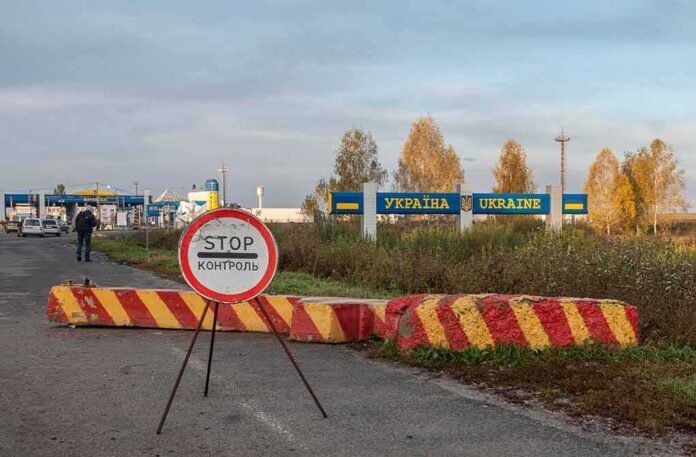
Poland’s prime minister warned that Russian strikes near the frontier could soon test Poland’s own border towns.
Story Snapshot
- Poland says a direct threat to a border crossing was foiled overnight.
- Recent Russian attacks hit sites less than a mile from Poland.
- Prime Minister Donald Tusk expects “very intensive” Russian actions in coming weeks.
- Border residents received multiple alerts to prepare for possible drones or missiles.
Poland raises the guard as strikes creep to the fence line
Prime Minister Donald Tusk said Poland expects Russia to target crossings on the Ukraine frontier and warned that the next weeks and months will bring more intense Russian activity. He said services worked overnight with Ukraine to avert a direct threat to a Polish crossing, as Moscow seeks to choke trade to weaken Kyiv’s economy. The statement followed a string of nearby explosions on the Ukrainian side that rattled Polish communities that move goods, fuel, and people across those gates.
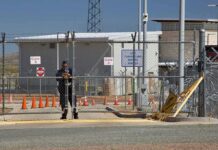
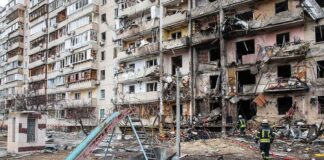
Ukrainian officials reported a Russian drone strike near Yahodyn, a key crossing opposite Dorohusk, that landed within roughly 800 meters of Poland. Poland’s border guard confirmed the location. That distance is a short walk and not even a full mile. The strike did not hit Poland, but it erased any comfort that geography alone would shield border villages and truck queues from the war’s reach. The message to local leaders was simple: be ready to act fast.
Phones buzz, jets scramble, and routines change at the edge of NATO
Residents in Polish border towns received three alerts in one day telling them to prepare for drones or missiles that could cross from Ukraine’s side and to be ready to shelter. People paused errands, watched the sky, and looked for the nearest basement. Poland also scrambled fighter jets and raised air defense posture as a precaution. Sirens and alerts do not mean an attack hit Poland, but they change daily life when they repeat in a single day.
Tusk outlined tighter coordination among the military, police, border guards, and customs to harden crossings and speed response. The aim is to keep trade moving while denying Russia easy wins, like wrecked queues or frightened drivers. Securing scanners, fuel depots, and rail spurs matters as much as radar and jets. Poland’s view is blunt: Moscow targets lifelines to make Ukraine poorer and slower, and to rattle Poland without triggering a direct clash.
Why border crossings are the pressure point now
Crossings move food, fuel, ammunition, and people. They are fixed, crowded, and predictable. Striking near them is cheap pressure. It scares drivers, delays deliveries, and builds a sense of risk. That strategy fits Russia’s “gray zone” pattern on NATO’s eastern flank: push limits, crowd airspace, test reaction times, and search for soft spots while skirting a direct hit on an ally. NATO itself has warned that such acts have increased and raise the odds of mistakes.
A Starlink station serving Ukraine’s military was set on fire in Poland. Prosecutors suspect Russia ordered the attack. Denmark now rates the risk of a limited Russian attack on NATO as “low but growing,” though NATO, US and Estonia downplay the threat. https://t.co/D9hkgqbIjH
— Anonymous (@YourAnonCentral) September 27, 2026
American conservative common sense says call this what it is: coercion by cost and fear. Hitting near the gate aims to force self-censorship of trade without firing into Poland. Tusk’s warning aligns with that logic, and the facts back him up. A strike within a kilometer of the border, a foiled threat to a crossing, and repeated civilian alerts show a clear pattern, not a one-off scare. The right answer is vigilance, clear red lines, and logistics that do not fail under pressure.
What to watch next in the coming weeks
First, watch the alert tempo. More push alerts and jet scrambles mean more probes. Second, watch the rail and road rhythm. If trucks and trains slow, the pressure works. Third, watch how Poland hardens sites: more barriers, dispersed parking, and backup power at scanners. Fourth, track public messaging. Calm, steady guidance keeps people ready without panic. Poland’s stance is to prepare for various forms of escalation while keeping daily life and trade going as much as possible.
The stakes are plain. If Russia can scare traffic away from the crossings, Ukraine bleeds supplies and time. If Poland holds the line—physically and psychologically—Moscow wastes drones for little gain. That is why the government’s quick, specific steps matter more than fiery speeches. Residents need shelter plans and clear rules. Drivers need trusted routes and quick screenings. Border units need the authority to act fast. This is how you beat gray-zone pressure without taking the bait.
Sources:
kmbc.com, polskieradio.pl, english.aawsat.com, unn.ua, aa.com.tr, reuters.com, belfercenter.org
© ournationnews.com 2026. All rights reserved.