
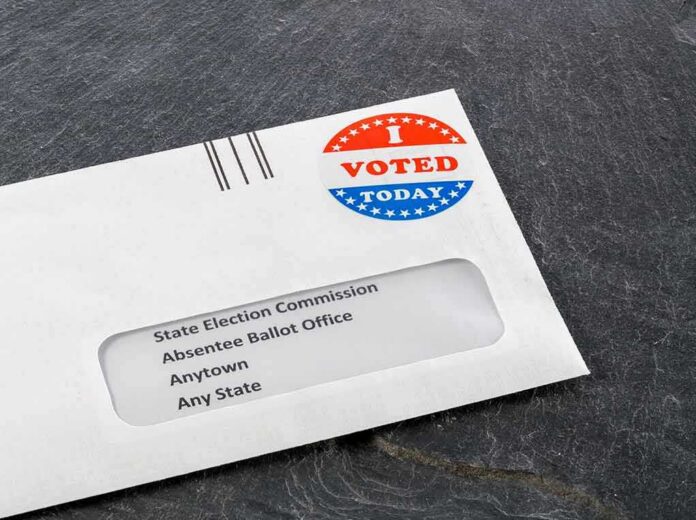
The pope cast a U.S. ballot from Rome, and the law says that is allowed.
Story Snapshot
- The Holy See said Pope Leo XIV voted by mail in Illinois as a U.S. citizen.
- Reports tied his voter registration to a New Lenox address and a Will County ballot request.
- Federal rules let U.S. citizens living abroad vote absentee, even if they work for foreign governments.
- Vatican outlets said he returned a Chicago-area mail ballot in line with his past voting practice.
A pope voted; the process followed U.S. rules
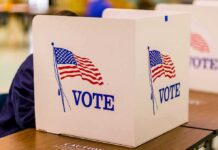
The Holy See Press Office stated that Pope Leo XIV submitted a mail-in ballot in Illinois, describing it as an exercise of his right as a United States citizen. Vatican News reproduced the statement and said he returned his ballot in the Chicago area, matching the office’s claim that he votes when eligible, even while abroad. This locks the headline fact: a sitting pope, who also holds U.S. citizenship, cast an absentee ballot as an American voter.
Reporting added process details. Outlets summarized by the Associated Press said Leo was registered at a New Lenox address and requested a mail ballot from the Will County clerk on October 3, 2026. The same coverage framed the moment as a first in papal history. That label speaks to symbolism, not to the legal steps, which remain familiar to millions of overseas Americans each election cycle.
Why federal law reaches citizens, not job titles
Federal guidance explains the path for citizens overseas. The Federal Voting Assistance Program says the Uniformed and Overseas Citizens Absentee Voting Act covers most U.S. citizens living abroad and lets them vote in federal elections by absentee ballot, once they register and request a ballot on time. The State Department’s voter page says most citizens 18 or older living abroad can vote absentee and should start at the same portal used by service members and civilians overseas.
News reports applied that rule to this case. The Public Broadcasting Service, citing the Associated Press, stated that federal law allows citizens living abroad, even those working for foreign governments, to vote by absentee ballot. That line matters here because the pope is both a religious leader and the head of the Holy See. The framework focuses on citizenship and voting residence, not a person’s job or title. That is the core of how the law operates in practice.
Illinois mechanics fit the standard overseas playbook
The steps are routine. A citizen registers, anchors a voting residence, and requests a ballot. The Federal Voting Assistance Program describes the one-two process: register and request; then vote and return. The Will County details reported by local and national outlets align with that flow, from the New Lenox voter registration entry to the absentee request logged in early October. Vatican News then reported the ballot’s return by mail, completing the typical cycle for an overseas voter.
The Vatican also said Leo had voted while living in Peru when eligible, which tracks the normal pattern of Americans abroad who keep a home voting residence and cast ballots in federal races from overseas. The novelty sits in who he is, not in what the law requires to vote. A familiar process carried an unusual name.
Neutrality, symbolism, and a real line in the law
Newsrooms framed the vote as historic because no prior pope had done it. That drew questions about Vatican neutrality. Some commentators warned that a pope’s ballot could blur the Church’s stance above politics. The reporting, however, also provided the legal hinge: American citizens abroad may vote, even if they work for foreign governments, because the rules turn on citizenship, not office. That places the act in a personal lane, not an institutional endorsement.
That fact is that the @FBI should be examining this move because Illinois election officials certainly won’t.
Robert Prevost is not eligible to vote in the United States.
Why? Because a pope ordinarily holds office for life. Leo XIV is not a missionary temporarily assigned to…
— Mia Sardinella (@MiaSardinella) November 1, 2026
Common sense says the United States should defend a citizen’s ballot while expecting restraint from powerful offices. Both can be true at once. The law protects the right. The office carries moral weight. Voters can separate a private act from a public role if leaders stay silent about choices and avoid using office to sway outcomes. On the facts presented, this vote fits the citizen rulebook while keeping the Church’s policy voice off the ballot.
Sources:
zerohedge.com, sun-sentinel.com, pbs.org, todayville.com, bbc.com, firstpost.com
© ournationnews.com 2026. All rights reserved.