
Benjamin Netanyahu urged President Trump to turn up the volume of his endorsement days before Israelis vote.
Story Snapshot
- Axios reporting, relayed by Mediaite, says Netanyahu asked Trump for more public backing.
- Trump already endorsed Netanyahu on October 18 on Truth Social, calling him “strong, brave, and brilliant”.
- The October 27 election is tight, raising the stakes for even small shifts in support.
- Research suggests presidential endorsements often move little, and can backfire in general elections.
What Netanyahu Asked For, And Why Timing Matters
Axios, as summarized by Mediaite, reported that Netanyahu spoke with President Trump twice in three days and pushed for more public support. The report said Netanyahu suggested language for added statements. He also proposed outreach that could punch through the final news cycle before Tuesday’s vote. The ask followed Trump’s October 18 endorsement that praised Netanyahu’s leadership. The sequence signals urgency inside Netanyahu’s camp as polls show a narrow race that could hinge on late breakers.
Such late pushes aim to shape turnout more than persuasion. Campaigns fight for marginal gains in the last 72 hours because small shifts can flip seats under Israel’s proportional voting rules. A high-profile American nod can dominate headlines, firm up right-leaning voters, and crowd out rivals’ messages. It can also trigger backlash if voters resent foreign voices weighing in. That double edge is why the method gets used often, but with care.
Trump’s Endorsement: What Was Said And How It Plays
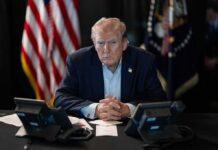
President Trump posted a clear endorsement of Netanyahu on October 18, calling him “Strong, Brave, and Brilliant” despite heavy opposition. The message framed Netanyahu as a steady hand on security and a partner in confronting Iran. It offered moral cover to right and center-right Israelis who prize a tough stance in a hard neighborhood. The show of support came as Netanyahu’s bloc sought to lock down wavering right-leaning voters ahead of the final sprint.
Trump’s backing fits a long pattern of American presidents signaling preferences in Israeli politics. Past Democratic administrations were linked to efforts to unseat Netanyahu, while earlier presidents also nudged Israeli voters from afar. None of this is new in the U.S.–Israel relationship; what changes is the tone and volume. Trump’s style is blunt and personal, which ensures attention but can also mobilize opponents who dislike outside pressure.
Do Endorsements Actually Move Votes?
Scholarship on modern endorsements offers a sober view. Studies of President Trump’s endorsements in U.S. general elections find limited average gains and, at times, negative effects for recipients outside their base. Some research shows endorsements can drain campaign resources or dampen support among swing voters who prize policy positions over personality. One experiment found a Trump endorsement reduced support for a hypothetical Republican in a general election setting. Effects are context dependent, which matters in Israel’s multi-party system.
Cross-border cues can still matter when they validate core concerns, like security. But voters often discount celebrity support when daily costs and safety drive choices. Analysts argue that threats from Iran or rocket fire have historically shaped Israeli votes more than friendly nods from Washington. That view suggests Trump’s support may harden Netanyahu’s base but not decide the race on its own. Campaigns ask anyway because close contests reward even tiny tilts.
Conservative Lens: Strength Signals, With A Risk Budget
Trump’s message aligns with conservative priorities: clear support for an ally, emphasis on deterrence, and a leader judged by results under fire. Voters who value national strength read the post as backing Israel’s security-first posture. That said, conservatives also prize sovereignty. Many prefer that a nation’s voters choose without feeling leaned on by outsiders. The best case for Netanyahu is that Trump’s praise boosts morale and turnout on the right without stirring a rally-against effect among undecideds.
US President Donald Trump urged Israelis to re-elect PM Benjamin Netanyahu in the Oct 27 election, writing on Truth Social that both must "finish the job" against Iran. While Likud denied reports that Netanyahu sought support, final polls project his bloc winning around 50… pic.twitter.com/Vy7CtDULJQ
— dailymattr (@dailymattr_news) October 26, 2026
The final hours come down to blocking and tackling. Netanyahu’s team wants saturation—earned media, clips on loop, and a sense of momentum. Opponents want to frame the endorsement as noise from abroad and pull focus back to domestic costs and corruption claims already known to voters. The record shows endorsements rarely rescue trailing candidates. But in a fragmented field where one seat can tip a coalition, a loud ally can still matter at the margins.
Sources:
mediaite.com, cambridge.org, onlinelibrary.wiley.com
© ournationnews.com 2026. All rights reserved.