
A candidate asked worshipers for ballot signatures from a mosque pulpit while a cleric urged them to vote for him—exactly the line federal tax law tells religious charities not to cross.
Story Snapshot
- Federal tax law bans 501(c)(3) charities, including mosques, from backing candidates.
- Reports say Abdul El-Sayed spoke from a mosque pulpit and sought signatures to make the ballot.
- An imam reportedly told congregants to vote for El-Sayed, which IRS rules flag as campaign intervention.
- The rule is clear, but enforcement is rare and fact-heavy across all faiths.
What the law allows and forbids, in plain terms
The Internal Revenue Service (IRS) bars section 501(c)(3) groups from any effort to help or hurt a candidate. That includes churches, synagogues, and mosques. The rule covers endorsements, partisan statements, and using an organization’s people or property to sway an election. IRS training adds more examples: leaders cannot endorse a candidate at an official event, and groups cannot solicit campaign funds or distribute partisan material on site. The rule applies at every level—federal, state, and local.
IRS guidance draws one bright line: do not back a candidate. Some activity is allowed if it stays neutral. A charity can host candidates for education or voter engagement if all candidates get equal access, no fundraising occurs, and no one signals support or opposition. A leader’s personal views are different from official speech, but the IRS warns that using the pulpit, the organization’s time, or its facilities can turn personal speech into organizational endorsement.
What was reported at the mosque events
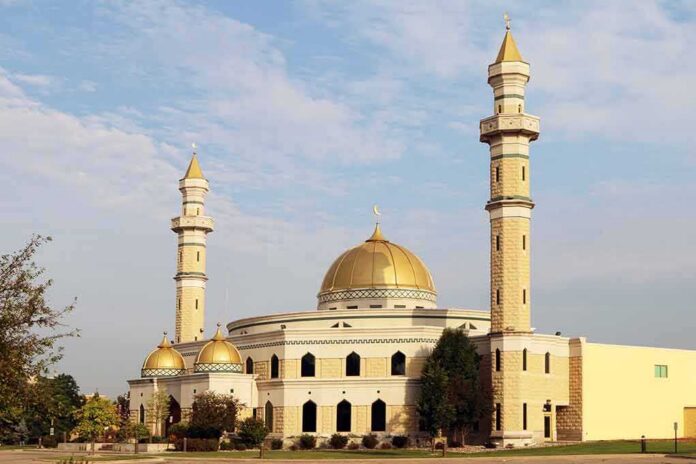
The Middle East Forum reported that Abdul El-Sayed appeared at the Islamic House of Wisdom in Dearborn Heights during Ramadan prayers. The report says Imam Mohammad Ali Elahi welcomed him to the pulpit and told congregants to vote for El-Sayed. It also says El-Sayed asked attendees to sign his ballot access petition for the Michigan Democratic primary. That mix—pulpit praise tied to a specific candidate and on-site campaign solicitation—matches conduct the IRS treats as political campaign intervention.
Why this matters goes beyond one event. The restriction exists to keep taxpayer-subsidized charities out of electioneering. When any religious nonprofit turns worship time, clergy standing, or facilities into campaign assets, it shifts a tax benefit into partisan ground. American conservative values prize equal rules and neutral referees. The standard should apply the same in every house of worship, with facts driving outcomes instead of double standards.
How the tax analysis would likely proceed
Investigators would first confirm each entity’s legal status. The 501(c)(3) bar only binds organizations that hold that status. They would then ask whether organizational resources were used. A pulpit appearance during a service suggests official context. An imam’s specific call to vote for a named candidate points to endorsement. Petition signing in the facility links the event to election mechanics. Each of these elements can weigh toward a finding of intervention under IRS factors.
Enforcement history shows two truths. First, the law is real. Courts have upheld revocation of a church’s exemption for campaign activity when facts were strong. Second, the IRS often resolves cases short of revocation, sometimes with warnings or corrective steps. The key is consistent standards: what is barred in a church is barred in a mosque, and vice versa. That even hand protects faith, voters, and the public purse at the same time.
What fairness and common sense demand next
Fair process starts with documents, not headlines. Confirm the organizations’ tax status. Review recordings, transcripts, and service programs. Check if other candidates received equal access and if neutrality notices were given. Look for any campaign or facility payments. Then apply the IRS factors to the facts. If a 501(c)(3) used its platform and voice to boost a candidate, the agency should act. Neutral rules keep politics out of the pulpit and protect the integrity of charity law.
Sources:
© ournationnews.com 2026. All rights reserved.