
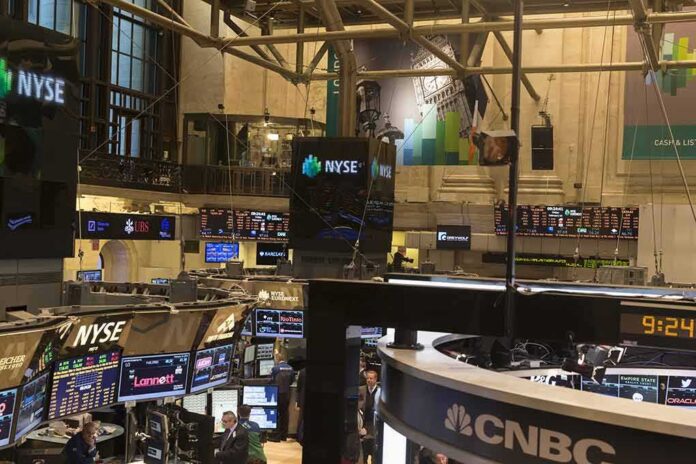
Wall Street’s $2–3 trillion wipeout hit within hours of Democrats seizing Congress, and investors blamed Washington before they checked the math.
Story Snapshot
- Stocks had one of their worst single days in years after the election.
- Reporters tied the plunge to fears of tighter rules on artificial intelligence and data centers.
- Veteran investors said an overheated artificial intelligence trade finally cracked.
- History shows elections move markets, but many forces drive the final price.
What actually happened in markets after the vote
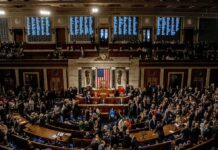
Markets sank hard two days after Democrats won control of Congress and several key states. Major indexes logged their steepest one-day drop in about 19 months, with the Nasdaq leading losses as chip and data-center names fell the most. Coverage from national outlets pinned the slide on fear that new leadership would slow the buildout of artificial intelligence infrastructure through tighter rules, permits, or energy limits. The timing was tight, and the losses were deep, so politics took center stage fast.
Traders reacted first to policy risk in the hottest part of the market. Commentators flagged worries about approvals for power-hungry data centers, new rules for artificial intelligence, and shifts in tax or climate policy that could change project math. These concerns hit companies linked to chips, servers, and power early in the session. Selling then spread to software and cloud names that feed on the same boom. When leaders fall, index funds must sell, and that turns fear into a broad slide.
The partisan claim versus the numbers on the tape
President Trump argued that Democrats caused the sell-off by winning Congress. The pace of the drop gives that view some weight because markets do price fresh risk fast. But price action also revealed a second story that does not fit neatly in party lines. The biggest losers were the same stocks that had soared on artificial intelligence hopes all year. That points to a crowded trade unwinding as much as a vote-driven shock, a pattern that often follows big runs when nerves finally break.
Analysts who warned about froth said the slide looked like an artificial intelligence bubble letting out air. Gareth Soloway called it a crash inside the artificial intelligence complex and said the size of the declines showed excess had built up in chips and related plays. Others noted that when leaders drop 50 percent from highs, it often marks the end of a mini-mania. That view does not deny the election mattered; it says politics was the match, not the woodpile.
The real pressure points: power, permits, pricing, and debt
Bloomberg’s deep dive mapped how artificial intelligence had reached into every corner of the market. A handful of giants made up more than half of recent gains in the main index, leaving funds, pensions, and lenders tied to a narrow bet on continued artificial intelligence growth. Building the promised infrastructure needs land, skilled labor, huge power, and pricey materials. Those inputs are scarce, slow to add, and often need political green lights. That makes any hint of tighter rules punch above its weight in prices.
📊 MARKET NEWS BRIEF — Friday, November 6, 2026
━━━━━━━━━━━━━━━━━━━━━━━━
🔴 #1: AI/CHIP STOCK MASSACRE — NASDAQ ENTERS CORRECTION
Nasdaq -5.5%, S&P 500 -4.4%, Dow -3.4% Thursday — worst day since April 2025. Philadelphia Semiconductor Index (-12.25%)…— GammaTradingOfficial (@GammaTrading_OF) November 6, 2026
Rising borrowing costs added pain. Bond buyers started to demand higher yields from borrowers linked to artificial intelligence projects, a sign that credit markets also saw bubble risk and wanted more pay for that risk. When debt costs rise while permits slow and power caps bite, return math breaks for the marginal data hall. Equity markets read that chain fast and repriced the whole stack. That is how a sector scare turns into a market event even if the broader economy does not change overnight.
How to square the election with market common sense
Elections do move markets, especially when control shifts and policy risk jumps. Research on political uncertainty finds that returns and volatility can change around big votes, but the direction depends on sector exposure and what else hits the tape at the same time. That lens fits this week. The vote raised the odds of new artificial intelligence rules and energy constraints. At the same time, stretched leaders, scarce inputs, and tighter credit set the stage for a sharp pullback once confidence cracked.
Blaming one party for all the losses skips key facts. The market loved the artificial intelligence trade when money was cheap, power looked endless, and growth felt linear. That was never a sure thing. A conservative reading of risk says do not pay any price for a story, and do not build policy on a fantasy grid. The sell-off looks like a repricing toward reality, with the election as a clear trigger but not the sole cause. Traders will watch whether rules, power, and credit ease before buying the dip with both hands.
Sources:
usatoday.com, finance.yahoo.com, fidelity.com, bloomberg.com
© ournationnews.com 2026. All rights reserved.