
A man died in a parked car outside a Connecticut polling site hours before it opened, and voting never stopped.
Story Snapshot
- State police found an adult man unresponsive in a vehicle around 5:17 a.m.
- Officials said there was no ongoing public threat and no suspicious circumstances.
- The polling location stayed open and voting went on as scheduled.
- The medical examiner took custody; the cause of death was pending at first reports.
What Happened And Where
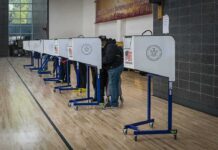
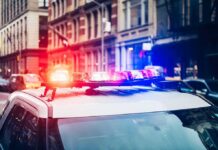
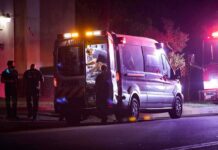
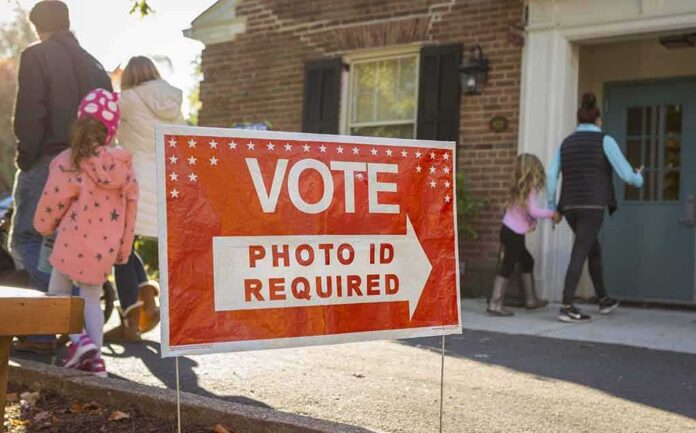
Connecticut State Police responded to 79 Westfield Avenue in Killingly at about 5:17 a.m. for a report of an unconscious person in a vehicle. Troopers and emergency medical staff pronounced an adult man dead at the scene. The address is the Killingly Public Schools Central Administration Office, which was set to operate as a polling place later that morning. The event happened before voting began at the site, according to the initial police account.
Town officials said the death did not involve the election or the voting process and kept the polling location open to voters. Police described the death as occurring in a vehicle at the property. The early timing matched officials’ statements that the incident took place before doors opened. That reduced the chance of any direct impact on voters walking in or on election workers preparing the site.
What Officials Said About Safety And Cause
Police said there was no ongoing threat to the public based on their initial review. The commissioner of the Connecticut Department of Emergency Services and Public Protection called it an untimely death and said there were no suspicious circumstances. The Office of the Chief Medical Examiner took custody of the body to conduct a formal review. Early reports did not include a cause or manner of death, which is common before autopsy and toxicology results.
Local leaders focused on continuity for voters. The town’s statement stressed that voting would proceed as scheduled and that the event did not involve the election. That decision favored normal civic function while police secured the area. From a common-sense perspective, keeping calm and carrying on fits how communities should handle isolated emergencies: protect people, investigate facts, and let citizens vote.
Why The Setting Drew Extra Attention
A death near a polling place will always spark attention. Elections are high-stakes civic moments with many eyes on them. Even when an incident is unrelated, the location can create a mental link to voting activity. Reporters noted the site’s role as a polling place, which is newsworthy, and then carried the clarifying statements from police and town officials. That order is typical in breaking news coverage and can still feed quick assumptions without the later context.
Election-day coverage often moves faster than official reports. Researchers who track election rumors say that real but isolated events can be framed online as wider problems. Clear, simple statements from trusted officials help cut through that noise. Here, officials said there was no threat, called it non-suspicious, and kept the polls open. That approach matches best practices to keep public trust while facts are verified by routine medical and police work.
What We Know, What Comes Next
The confirmed facts are narrow but solid. A man died in a vehicle at a site that later hosted voters. Police and emergency staff responded, found no ongoing threat, and notified the medical examiner. Voting continued at the location. Those are the anchors that matter to anyone asking if the incident affected the election. A final cause and manner of death would come from the medical examiner, which was pending in first reports. One sentence of caution is appropriate: early labels can change as investigations conclude.
Sources:
thegatewaypundit.com, stamfordadvocate.com, courant.com, nhpr.org, patch.com, wtnh.com
© ournationnews.com 2026. All rights reserved.