A single real-estate closing in suburban Arizona just telegraphed how the next phase of immigration enforcement could scale up fast, quietly, and with almost no local input.
Story Snapshot
- DHS bought a 400,000+ square-foot warehouse in Surprise, Arizona, for more than $70 million, with plans to convert it into a 1,500-bed ICE processing facility.
- Local officials say the federal government did not notify the City of Surprise before or after the purchase became public.
- The deal fits a broader national pattern: ICE converting large warehouses into detention and processing capacity as enforcement ramps up.
- Supporters frame the move as basic infrastructure for restoring immigration law; critics point to past detention failures and fear the same mistakes at bigger scale.
A warehouse deal that landed like a thunderclap in Surprise
DHS completed the purchase on January 23, 2026: a logistics-style warehouse in Surprise, in the West Valley of metro Phoenix, previously tied to the Rockefeller Group. County records reported a price above $70 million and a footprint so large it reads like a stadium plan rather than a municipal development item. ICE intends to retrofit the site into a 1,500-bed processing facility, but officials have not released a public timeline.
City leaders’ most pointed complaint is procedural, not ideological: they learned about it the same way residents did, through media coverage. That detail matters because a facility of this size can touch everything from traffic flow to emergency services to public trust. When the federal government moves without even a courtesy briefing, it signals that local concerns sit far behind federal priorities, and residents should expect more surprises than consultation.
Why ICE wants square footage, not speeches
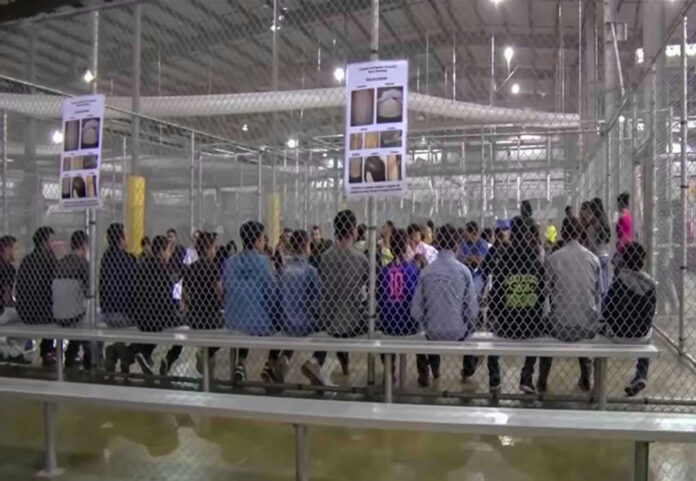
Detention and processing capacity rarely grabs headlines until it’s missing. ICE can promise aggressive enforcement, but agents still need beds, medical screening space, interview rooms, transport staging, and coordination with courts and contractors. A 1,500-bed facility functions like a pressure valve: it lets the agency hold people long enough to process cases, arrange transfers, or prepare removals. Square footage becomes policy, because without it, enforcement turns into catch-and-release by default.
Reports describe a broader trend of warehouses being eyed or converted nationwide, a practical choice driven by cost and speed. Warehouses sit near highways, already have loading areas, and offer big open bays that can be subdivided. That doesn’t make conversion simple or cheap; it just makes it feasible faster than building from scratch. The Surprise purchase looks less like an isolated Arizona story and more like a template the federal government can repeat.
The politics: transparency versus execution
Democratic officials have framed the purchase as a warning signal. Rep. Greg Stanton has said the deal suggests disruptive enforcement activity could spill into communities. State Sen. Annelise Ortiz used extreme language, tying the plan to reports of deaths in custody and alleging constitutional risks that could reach beyond illegal immigrants to lawful residents and even citizens. Those statements aim to raise moral urgency, but the strongest immediate factual critique still centers on oversight and competence, not intent.
Conservatives tend to start from a simpler premise: a sovereign country enforces its laws, and a border state shouldn’t pretend enforcement has no infrastructure needs. Common sense also says power must be bounded. A facility that large needs clear rules, documented standards, and a paper trail that can withstand audits, court scrutiny, and public questioning. Enforcement without competence becomes a political gift to opponents and a human cost to everyone stuck inside a broken system.
The operational risks nobody can spin away
Critics cite reports of problems at existing Arizona detention centers, including rising deaths in custody, and allegations of denied medical care. Those details create the central open loop for Surprise: will ICE build a modern processing center that avoids the failures of older facilities, or will it replicate them at a larger scale? The federal government says detainees receive proper care and access, but credibility depends on what actually happens once buses arrive.
Another risk sits in the legal lane. Reporting from outside Arizona has described legal conflicts involving ICE compliance with court orders, including accusations of violating orders at scale in a short period. If enforcement expands, litigation tends to expand with it. A 1,500-bed site concentrates decisions and paperwork; one flawed policy can multiply into hundreds of similar cases. That exposure makes management quality as important as funding, and silence from the agency leaves the public guessing.
What Surprise residents should watch next
Residents don’t need to guess at every rumor; they can track specific indicators. Watch for permit activity, contractors on-site, traffic pattern changes, and formal announcements about staffing and transport. Ask whether local hospitals or EMS providers will face new burdens and whether reimbursement plans exist. Demand clarity on who oversees medical care, how grievances get handled, and whether inspection reports will be public. A lawful system deserves lawful transparency, especially at this scale.
The real significance of the Surprise warehouse is not the price tag; it’s the signal that immigration policy is moving from debate back into logistics. When the government buys a building big enough to hold 1,500 people, it’s building capability, not just messaging. That can restore order if it’s executed with discipline and accountability. It can also explode politically if corners get cut and secrecy becomes the default operating system.
ICE Drops $70 MILLION On Massive Arizona Warehouse To DETAIN and DEPORT Illegals https://t.co/azPR0ZXWEU As Trump cranks up the deportation machine, Arizona Dems meltdown over a new mega-facility.
— m o d e r n i t y (@ModernityNews) January 31, 2026
Surprise now sits on a national fault line: border enforcement meets local governance, and federal speed meets public scrutiny. The next headlines won’t come from the closing documents; they’ll come from the first inspections, the first detainee transfers, and the first legal challenges that test whether the system runs clean. Arizona has seen this movie before, but not on seven-football-fields’ worth of set design.
Sources:
ICE is planning a 1,500-bed processing facility in a Surprise warehouse it just bought for $70M.
Rep. Greg Stanton says he’s concerned about the large warehouse ICE bought in Surprise