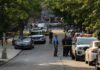


A 14-year-old boy was slashed in the hand inside a Brooklyn synagogue, and police took a 22-year-old suspect into custody the same evening.
Story Snapshot
- Police say a 14-year-old congregant was slashed inside a Borough Park synagogue.
- Officers arrested a 22-year-old man at the scene, according to local reports.
- The injury was to the victim’s hand; he received treatment, police said.
- The case unfolds amid heightened concern over attacks at Jewish sites in New York.
What Police Say Happened Inside The Synagogue
Police said the slashing happened around 7:30 p.m. inside Congregation Kedushas Yosef Verdan in Borough Park. A 22-year-old man allegedly cut the hand of a 14-year-old boy with a sharp object. Officers responded and placed the suspect in custody. The teen received medical attention for the hand wound. Early reports did not list charges or a motive. Local outlets framed the boy as a congregant and the location as a synagogue, which places the event squarely within a house of worship context.
Authorities often take extra steps when violence occurs in or near a house of worship. The location is not just another street corner. Faith sites contain children, seniors, and routine gatherings on fixed schedules, which can attract predators and agitators. In New York, police and prosecutors weigh security concerns, motive, and impact on the broader community before announcing charges. That next step, and whether bias enhancements apply, usually follows once interviews and video reviews are complete.
Why This Incident Hits A Nerve In New York
New York has led the nation in reported antisemitic incidents, even as the total number fell from a prior peak in 2024. The Anti-Defamation League reported 1,160 antisemitic incidents in New York in 2025, a decline from 2024’s record, yet assaults ticked up from the year before. That mix explains why a synagogue slashing gets instant attention. Community members do not just ask “Was the suspect caught?” They also ask “Was this a hate crime, and are we next?”
Recent cases feed those fears. Prosecutors and police brought hate crime charges in multiple Brooklyn incidents tied to synagogues or Jewish victims. In 2024, a 22-year-old faced attempted murder and hate crime charges after a stabbing near a Brooklyn synagogue, according to national reporting. These prosecutions send a clear message that motive matters and that targeting people at prayer will bring sharper penalties when the facts support it.
How Investigators Typically Decide On Charges
Detectives start with facts on the ground: statements, video, prior contacts, and witness accounts. Bias charges need proof of motive, such as slurs, symbols, social posts, or a pattern of conduct. Without those, prosecutors often file basic assault charges first, then add hate crime counts if evidence emerges. That sequence protects due process while guarding the community. It also avoids overreach that can collapse a case in court. Facts first, then enhancements if the record supports them.
Teen Injured in Brooklyn Synagogue Stabbinghttps://t.co/MideD39BIT
— PJ Media (@PJMedia_com) September 15, 2026
From a public safety and common-sense standpoint, the priorities are simple. Secure the site, treat the victim, catch the suspect, and tell the truth fast. Clear, quick facts calm the public more than slogans do. If evidence shows bias, say so and act on it. If not, hold the line on what the proof shows. That balance respects victims, protects civil liberties, and keeps focus on what stops the next attack—trained guards, working cameras, strong doors, and fast police response.
What Synagogues And Parents Can Do Next
Congregations should revisit their security playbook now, not after a charging decision. Leaders can set single-entry points, verify ushers and greeters, and refresh emergency drills. Parents should ask two questions before the next service: Who watches the doors, and how fast can police get here? New York synagogues have used federal and state grants to harden buildings in recent years. Those dollars only work if paired with practice, clarity, and a culture that reports concerns early.
The Bottom Line On This Case
Police say a 22-year-old man slashed a 14-year-old boy’s hand inside a Brooklyn synagogue and was taken into custody that evening. The boy received treatment, and the investigation continues. New York’s track record shows that when bias evidence exists, prosecutors bring it. When it does not, they prosecute the assault anyway—and often win. The community deserves both candor and resolve: tell us what happened, charge what you can prove, and keep the doors safe for everyone who walks in to pray.
Sources:
abcnews.com, cbsnews.com, foxnews.com
© ournationnews.com 2026. All rights reserved.