
Six metal spheres on a Queensland beach turned out to be the kind of space junk that makes the sky feel a lot closer than people expect.
Quick Take
- Authorities found six solid metal objects at Forrest Beach, north of Townsville, in northern Queensland.
- The Australian Space Agency said they are likely space debris from a rocket body that reentered the atmosphere.
- Officials described them as pressure vessels, likely the kind used to hold pressurized gases or liquids in rockets.
- Queensland emergency responders removed the objects and said they were safe after recovery.
What Was Found on Forrest Beach
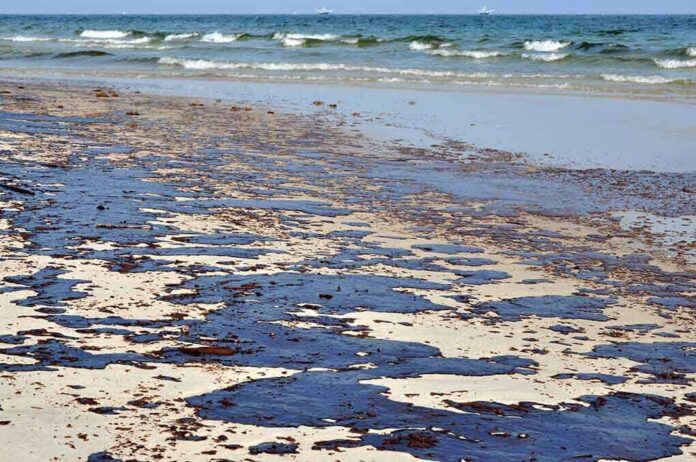
The discovery began as a beach mystery, but the shape and material quickly pushed experts toward a space-age answer. Six solid spheres appeared along Forrest Beach over a weekend, and the Australian Space Agency said the objects were thought to be space debris. Reports described them as large metal balls, which is why the story spread so fast and picked up the “space balls” nickname almost overnight.
The official reading became firmer as the agency kept studying the objects. The agency said the location and characteristics matched debris from a foreign rocket body that had recently reentered the atmosphere from orbit. Other reports said the objects were likely pressure vessels, the sturdy containers rockets use for pressurized gases or liquids. That matters because pressure vessels can survive the heat and stress of reentry better than many other parts.
Why Experts Think It Came From Space
This case fits a familiar pattern in Australia: an unknown object washes ashore, local crews secure it, and space officials sort out the origin later. The Australian Space Agency has repeatedly warned people not to handle found space objects because they may contain hazardous materials. That caution is common sense, not drama. Rocket parts can hold residue, fuel traces, or other dangerous material long after they fall back to Earth.
One outside expert, space archaeologist Alice Gorman of Flinders University, said the objects looked like pressurized fuel vessels made of titanium alloys, based on their appearance in images. She also noted that the lack of burn marks could mean the pieces separated from a rocket at a lower stage rather than arriving as a fully scorched fragment. That is a useful detail, because it shows how scientists can narrow a guess without pretending they have every answer yet.
Why the Story Matters Beyond One Beach
The larger point is simple: space junk is no longer an abstract problem. It now shows up on beaches, in deserts, and near remote roads. Australia has become a recurring landing zone for debris because of its position under orbital paths and its wide open coastline. Earlier cases in the country have ended with later confirmation from foreign space agencies, which is why officials usually start with caution and work backward from the object itself.
Six mysterious metal spheres that washed ashore last weekend at Forrest Beach in northern #Queensland, #Australia, are “suspected #space debris,” the Australian Space Agency announced. Amen Galinato has the details.https://t.co/1fwG3CtbF1
— CNN Asia Pacific PR (@cnnasiapr) July 13, 2026
That is also why the public reaction matters. The internet loves a mystery, and “alien” chatter spreads faster than a technical explanation. But the facts here point in a far more ordinary direction. The Australian Space Agency’s identification, the descriptions from outside experts, and the safe removal by emergency responders all point to the same conclusion: these were almost certainly rocket leftovers, not some deeper beachside enigma.
What Officials Want People to Do
The practical advice from Australian authorities is blunt for a reason. Do not touch strange debris. Do not drag it home. Do not turn a dangerous object into a souvenir. If someone finds something that looks like rocket wreckage, they should contact local authorities and let trained responders deal with it. That approach protects both the public and the evidence needed to confirm where the debris came from.
Sources:
insiderpaper.com, bbc.com, usatoday.com, space.com, metro.co.uk, foxweather.com, theguardian.com, bbc.co.uk, caesar.org, spaceconnectonline.com.au, emeraldobservatory.com.au
© ournationnews.com 2026. All rights reserved.