
A young man’s DNA on a rifle, a swirl of digital “confessions,” and a sniper shot at a conservative star now collide in a courtroom where both sides insist the future of American justice is on the line.
Story Snapshot
- Prosecutors say Tyler Robinson’s DNA, rifle, and messages form a tight case in Charlie Kirk’s killing.
- Defense lawyers attack ballistics, digital evidence, and media behavior as sloppy and biased.
- The judge opened key hearings to cameras, putting every misstep and weakness on public display.
- This fight shows how political violence and politicized justice are tearing at basic American faith in the system.
The rifle, the DNA, and the young man in the crosshairs
Prosecutors paint a simple story for a very messy crime. They say 22-year-old Tyler Robinson stole his grandfather’s bolt-action.30-06 rifle, drove to Utah Valley University, and fired a single shot into Charlie Kirk’s neck from a rooftop overlooking a student event. After the shooting, officers recovered that rifle, a towel, a spent round, and three unfired cartridges in a wooded area near the campus. For them, the real clincher is what lab tests found: DNA they say matches Robinson on the trigger, the towel, and the cartridges.
To most everyday jurors, that sounds like common-sense evidence. The gun that fits the crime, hidden near the scene, wrapped in a towel, carrying the suspect’s DNA on key parts you actually touch to shoot. That is exactly why prosecutors keep using the word “voluminous” when they talk about their case. They want the public to hear not just one piece of proof, but a pile of physical clues that lean the same way. For conservatives who still believe facts should matter more than vibes, this is the kind of evidence that feels hard to wave away.
The digital confessions that may make or break the case
Physical evidence is only half of the story. The other half lives in texts, handwritten notes, and Discord chats. Prosecutors say Robinson told his partner and friends he was done with Kirk’s “hatred” and even wrote that he had the chance “to take out Charlie Kirk” and was going to do it. They claim he later messaged, “It was me at UVU yesterday. I’m sorry for all of this,” turning the case into what looks like a confession trail across several platforms.
That should be devastating. But the defense knows digital evidence is only as strong as its chain of custody. They argue some Discord messages came into court only as screenshots or photos, without full forensic authentication of the original files. That opens a door to doubt. Were the messages edited? Were timestamps missing or unclear? Defense lawyers attack not just what the words say, but how those words were collected, shared, and explained. For anyone who has watched “trial by social media” replace trial by jury, this is a fair concern. Real justice needs more than pictures of chat logs.
Ballistics, bullet fragments, and the science gap
The deepest crack in the prosecution’s story runs through the science of the shot itself. The government wants jurors to believe a single.30-06 round entered Kirk’s neck and ricocheted off bone in a way that matches their narrative of the wound and scene. Defense lawyers pushed for a closer look at that claim through the federal Bureau of Alcohol, Tobacco, Firearms and Explosives, and that move paid off.
Charlie Kirk alleged assassin Tyler Robinson preliminary hearing about to start.
New evidence expected.
Erika Kirk is inside.
You can stream here:https://t.co/QBED0PWrc0— Brian Entin (@BrianEntin) July 6, 2026
An official summary from that federal agency said it could not conclusively link the bullet fragment from Kirk’s autopsy to the rifle found near the campus. That does not clear Robinson, but it does blunt the strongest “murder weapon” claim. Add in defense experts and three-dimensional modeling that suggest such a round should pass cleanly through the neck instead of bouncing around, and you suddenly have real doubt about how the killing happened. From a conservative view that values hard science and tested methods, the lack of peer-reviewed ballistic backing is a serious gap. The state wants the death penalty; it needs more than “trust us” on physics.
Media, cameras, and a death penalty case tried in public
While lawyers argue over bullets and messages, they fight just as hard over cameras and microphones. Prosecutors have given interviews to national outlets and loud cable shows, talking up an “overwhelming” case and sharing colorful details about memes carved into cartridges and rooftop footprints. Defense attorneys call this “extreme recklessness” and warn it poisons the jury pool by turning a capital case into a media spectacle instead of a sober search for truth.
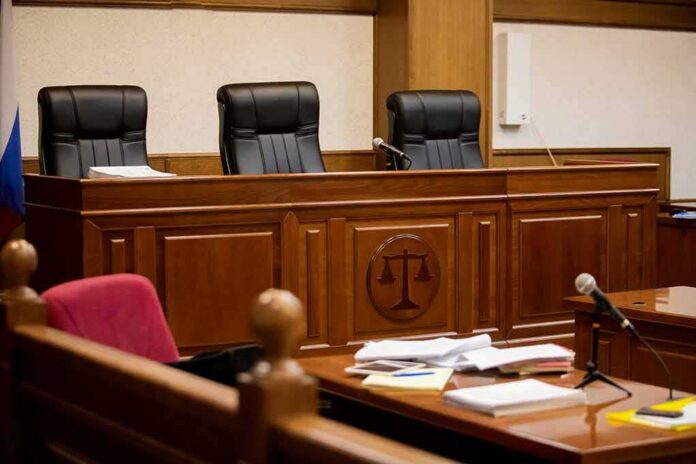
Robinson’s team begged for more secrecy, trying to seal exhibits and limit camera access. Judge Tony Graf mostly said no. He ruled that key hearings, including the July preliminary hearing, would stay open to reporters and livestreams, citing the public’s right to see what happens in a case this important. That decision cuts both ways. On one hand, sunshine lets citizens judge the evidence for themselves, instead of trusting filtered headlines. On the other hand, many viewers will only catch clips and hot takes, not full testimony. For conservatives wary of big-media framing, it is a reminder: cameras do not always mean clarity.
Witness fights, reward questions, and what common sense says is missing
One of the strangest battles in the case centers on Robinson’s partner, Lance Twiggs, also known as Luna. Prosecutors plan to play a recorded interview instead of calling Twiggs live, and the judge backed that plan. Defense lawyers wanted in-person testimony so they could test memory, bias, and possible deals. Without that, jurors hear a polished recording, not a human being under pressure, and that naturally favors the state’s narrative.
Then there is the money. Investor Bill Ackman announced a one million dollar reward for information about Kirk’s killer, after Robinson had already turned himself in. No one has clearly explained who, if anyone, got that money or why. That raises obvious questions about financial motives and conflicts of interest tied to tips and testimony. A basic conservative value is that justice should not be warped by cash incentives or media fame. Yet here, both feel woven into the story, and neither side has fully unpacked it.
Political violence, polarization, and why this case matters beyond one courtroom
The Robinson case does not sit in a vacuum. It lands in a decade where political violence has become “shockingly regular,” as one scholar put it. Researchers show that assassinations and attempts spike during times of deep division and weak political consensus, like the period the United States is living through right now. Kirk’s killing fits a pattern where political figures, both left and right, become targets when opponents stop seeing them as neighbors and start seeing them as enemies.
Studies of political assassinations show more than hurt families and ruined lives. They show lasting drops in voter turnout and trust in democracy itself, especially when people think the justice system is either weaponized or incompetent. That is why the fight over DNA, ballistics, chats, cameras, and rewards in the Robinson case matters so much. If the state is going to ask for a death sentence in a political assassination, it owes the country airtight science, honest media conduct, and a process that respects both transparency and fairness. Anything less does not just fail one defendant. It chips away at the common-sense belief that in America, even in the ugliest political storms, facts and law still decide guilt.
Sources:
foxnews.com, ksl.com, nbcnews.com, cbsnews.com, nypost.com, livenowfox.com, apnews.com, heraldextra.com, fox.com, facebook.com, youtube.com, news.northeastern.edu, ctc.westpoint.edu
© ournationnews.com 2026. All rights reserved.