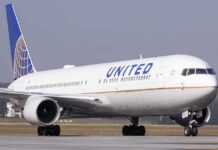

Planes kept landing safely while Europe scrambled jets, emptied cabins, and found no bombs.
Story Snapshot
- Dozens of threats hit flights to and within Europe; no explosives were found.
- Britain called them “malicious hoax threats,” and airlines echoed that view.
- Diversions, fighter escorts, and bomb checks caused major delays, not injuries.
- Officials have not named a culprit or tied the alerts to a state actor.
What happened across runways and airspace
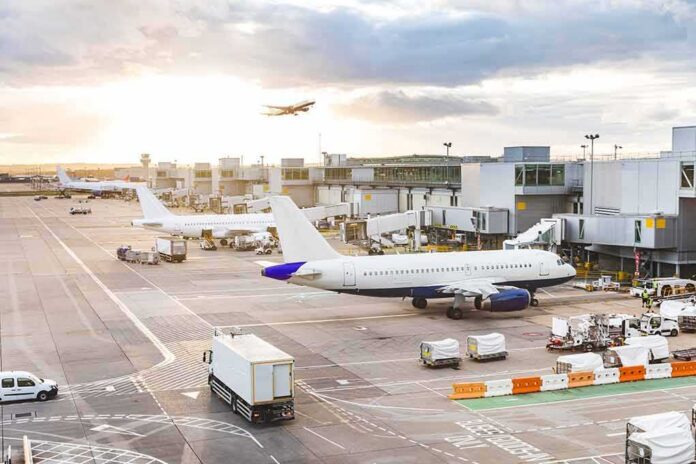
Airlines in France, Italy, and beyond reported bomb warnings that forced diversions and inspections. Several flights changed course under military escort. Crews evacuated cabins. Bomb teams searched holds and seats. Authorities later said no devices were found and all affected aircraft landed safely. The pattern held across a burst of incidents that different outlets counted in the teens or more, but the outcome stayed the same: disruption without a blast.
The Irish carrier Aer Lingus saw a Dublin-to-Rome flight ordered into a French air base after a warning. French officials confirmed the diversion and the search. The plane later continued without incident. The French Prime Minister’s Office said the move followed protocol for a bomb threat. That protocol repeated across the region: treat the message as real, clear the aircraft, bring in specialists, and only then release the plane back to service.
How governments and airlines framed the alerts
The British government described the wave as “malicious hoax threats,” a blunt label that matched what carriers were seeing in their operations. Finnair said two flights received “unfounded or hoax” messages, and both landed safely with no hazard on board. These public statements set the tone: no one found a device, but every alert forced action. That balance is normal in aviation security, where safety rules demand caution first and conclusions later.
European officials urged patience on the question of coordination. The European Union transport commissioner said it was too early to say whether the incidents were linked. That stance fits the record so far. Law enforcement agencies have not identified a group behind the messages, and they have made no public claim that a foreign government directed them. The bottom line is simple: flights were targeted by threats, planes were searched, nothing exploded, and the public moved on after delays.
Why “no bomb found” still causes big trouble
Aviation security works under tight margins and strict rules. When a threat comes in, pilots and controllers do not debate the odds. They act. That can mean a sudden descent, a landing at a nearby field, and a long wait for bomb technicians. Each choice ripples through the system. Crews time out. Connections vanish. Maintenance windows slip. A single false alert can strand hundreds. A run of them in one day multiplies the pain for travelers and airlines alike.
Mass bomb hoax sparks school evacuations across Europe
Thousands of schools in the UK, Italy, and Ireland were targeted by threatening emails, with investigators tracing some messages to a hacked Taiwanese university account
Published 12 Nov, 2026 (FULL)https://t.co/YQMm1d5II0
A…— rbg4lif 🟥⬛🟩 (@rbg4lif) November 12, 2026
Research on airport screening explains why this keeps happening. Alarm-based systems lean toward caution by design. False alarms are not rare. They are a feature of a setup built to catch the one real threat among thousands of normal flights. Studies of security screening show meaningful false-alarm rates in multi-layer checks. That trade-off saves lives over time, but it also ensures that hoaxers can waste resources when they choose their moments well.
What we know, what matters, and what comes next
Reporters at Reuters and others confirmed that none of the targeted planes carried explosives. France and Italy handled diversions, escorts, and searches. The United Kingdom labeled the alerts as hoaxes. Airlines backed that view in their own updates. Officials have not attributed the campaign to a single actor or any state. That picture lines up with common sense: protect passengers first, then sort out who pushed send after everyone is safe.
Public leaders should keep talking to travelers with crisp facts, not drama. Clear numbers, plain timelines, and direct language reduce fear and deny hoaxers the spotlight they want. That fits conservative values of order, accountability, and strong borders in the sky. Defend the flight path, keep the rules tight, and do not reward chaos. Europe did that this week. Planes landed. Families got home late, but they got home. That is the metric that counts.
Sources:
townhall.com, afp.com, abcnews.com, npr.org, cnbc.com, dawn.com, bbc.com, link.springer.com
© ournationnews.com 2026. All rights reserved.