
Trump kept running because he never stopped being a candidate on paper—or on the trail.
Story Snapshot
- Trump filed official paperwork naming himself a 2024 presidential candidate.
- Federal Election Commission records list him as a current presidential candidate.
- His principal campaign committee operated, raised money, and reported activity.
- He held rallies across states throughout 2024, including key battlegrounds.
The Paper Trail That Proves The Campaign Never Paused
The clearest answer sits in government files. Trump filed a formal Statement of Candidacy with the Federal Election Commission, identifying the office as President and naming his principal campaign committee, Donald J. Trump for President 2024, Inc. That filing is the on-switch in federal law for a presidential run. The Federal Election Commission candidate page also lists Trump as a current presidential candidate for the 2024 cycle, with the Republican Party indicated. That is not speculation; it is administrative fact.
Campaigns exist in two places: in stadiums and in filings. Trump had both. The Federal Election Commission shows the principal committee on record and active, with a Statement of Organization that ties the structure to the presidential effort. The same committee filed a presidential financial report, the Form 3P, documenting receipts and spending, which signals real operations, not just a nameplate. Paperwork is not glamorous, but it is how the system tracks who is truly in the arena.
The Rally Circuit That Matched The Forms
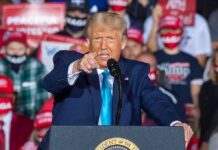
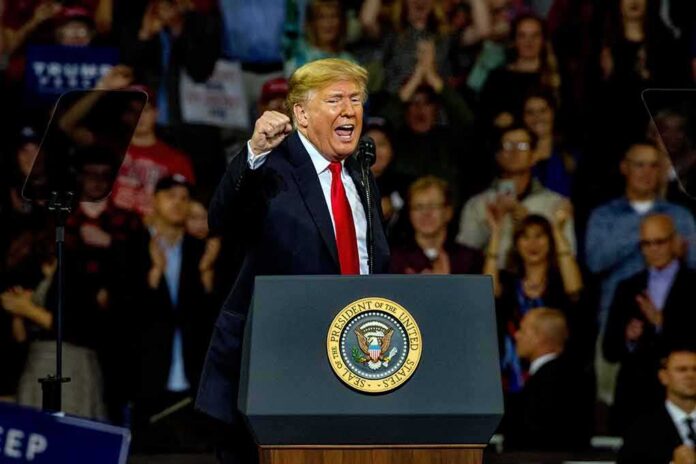
Rallies told the same story the filings did. Reuters chronicled Trump’s rally machine, describing his events as central to the bid and logging dozens of stops across 2024. CNN’s campaign coverage captured him on stage in Wilmington, North Carolina, pushing specific policy goals such as ending sanctuary cities. These events were not nostalgia tours. They were the public-facing part of an active presidential campaign, synced with the legal and financial footprint behind the scenes.
The campaign-trail maps tracked breadth. Major outlets listed appearances across battlegrounds and friendly terrain, from the Rust Belt to the Sun Belt, including Florida and Pennsylvania, plus nontraditional stops meant to test reach. That travel pattern is standard playbook politics: press advantage states, contest swing counties, and keep media oxygen flowing. When the calendar fills and the microphones follow, it confirms what the filings already say.
Why “Still Doing This” Resonates With Voters Who Want Straight Lines
Many voters ask why a candidate keeps going. The records answer: because the campaign is organized, legal, and funded enough to move. The Federal Election Commission entries show a live, designated principal committee with ongoing reports. That rules out the idea of a symbolic bid. It reflects an operation that hires, buys ads, rents venues, and files on time, which is how real campaigns work in America. The system rewards clarity and accountability, not vibes.
This article was written with Grok’s assistance for intellectuals of any party affiliation, with the possible exception of DSA’s.
A moderate Republican did not have to join a movement to vote for Donald Trump three times. The ballot offered a binary choice, and in 2016, 2020, &… pic.twitter.com/aem65VSz8n
— Clark W. Griswold (@DINOinMDs8th) October 4, 2026
Common sense says measure intent by cost and commitment. A candidate who signs the forms, raises money under federal rules, and shows up in states week after week is not dabbling. That mix—formal candidacy, disclosed finances, and visible rallies—meets the conservative test for seriousness: do the work, show the receipts, face the public. While pundits debate strength and odds, the facts of existence are settled in filings and in crowds.
Sources:
youtube.com, fec.gov, docquery.fec.gov
© ournationnews.com 2026. All rights reserved.