

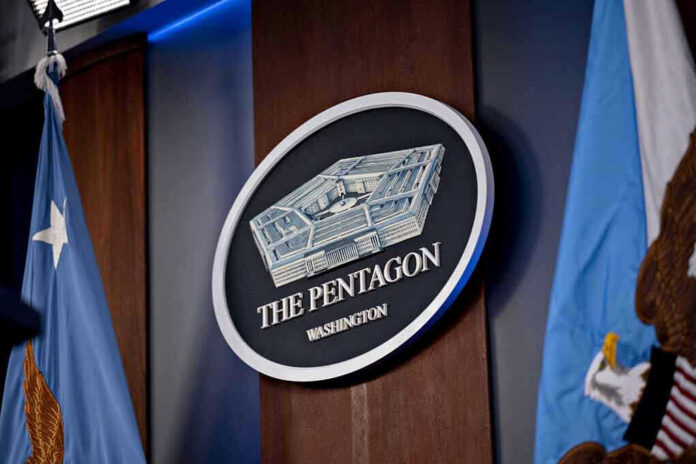
Pete Hegseth is daring Congress to impeach him—and betting the fight will only make him stronger.
Story Snapshot
- Hegseth vows to stay on and brands the impeachment drive as partisan.
- House Democrats and some Republicans cite Iran war oversight and personnel moves.
- A House vote could set a rare cabinet-level impeachment in motion.
- The clash tests lines between policy disputes and impeachable conduct.
Hegseth’s message: stand firm, fight back, stay put
Defense Secretary Pete Hegseth says he will not resign and will fight impeachment efforts head on. In a video address after the midterms, he said, “We don’t back down,” and framed the push as a political attack on President Trump’s agenda and the broader movement that elected him. The Pentagon’s top spokesman echoed that tone, calling the probes partisan and without proof of wrongdoing. Hegseth’s team wants the showdown, and hopes it rallies allies while exposing weak claims.
Hegseth and aides argue he is executing the commander in chief’s policy and restoring focus on warfighting. They tout a tougher Iran strategy and a willingness to shake up a stale bureaucracy. Supporters claim critics dislike outcomes, not legality. They point to the Constitution’s clear civilian control of the military and say Congress cannot impeach over disagreements about strategy alone. That posture frames the dispute as a stress test of balance between branches rather than a case of misconduct.
The impeachment case: war powers, secrecy, and the brass
Republican Representative Thomas Massie filed articles alleging Hegseth continued Iran operations past legal limits without approval, violating the War Powers Resolution and the Constitution. Lawmakers also accused him of withholding details about strategy and attacks on U.S. bases, which they argue blocks oversight. Democrats cite blocked promotions, firings of senior leaders, and alleged lethal strikes on drug boats without enough accountability to justify impeachment hearings.
Some Republicans now blame Hegseth for pushing President Trump toward strikes on Iran without a clear exit plan, overselling the speed of victory, and backing continued escalation despite limited gains. Others claim his personnel moves hurt readiness. These are serious charges, but most rest on disputed judgments and secondhand assessments, not clear criminal acts. From a common-sense conservative lens, Congress should separate policy anger from evidence of actual abuse before wielding the constitutional hammer.
What makes this fight historically rare
Impeaching a cabinet secretary almost never happens. The House has impeached only two cabinet officials in American history: William Belknap in 1876 and Alejandro Mayorkas in 2024. Congress reserves impeachment for treason, bribery, or other high crimes and misdemeanors, not routine fights over direction or style. The Belknap case involved alleged corruption, a bright-line claim that speaks to personal misconduct, not policy. That history sets a high bar for any case against Hegseth.
Lawmakers do hold many tools short of impeachment. These include hearings, subpoenas, funding conditions, and statutory limits. Those steps test facts, force disclosure, and restrain policy within law. If Congress proves that Hegseth ignored explicit legal constraints, the matter changes. If the record shows sharp but lawful policy and tough management, impeachment looks like an attempt to reverse elections by other means. Voters see that difference quickly when the dust settles.
The stakes: war decisions, civilian control, and political risk
The Iran conflict sits at the center of this dispute. If Congress can show clear violations of the law on hostilities without authorization, that would move the issue from judgment to legality. If not, lawmakers risk creating a precedent where cabinet officials can be impeached for unpopular results. That would weaken civilian control, chill honest advice to the president, and turn war oversight into a rolling no-confidence vote—something the Constitution does not design.
Hegseth Mounts Aggressive Campaign to Fight Pending Impeachment
— Maya (@rose_howdy) November 7, 2026
Political risk cuts both ways. If the House impeaches on a thin record, the Senate will likely acquit, and Hegseth gains stature. If the House builds a factual case anchored in law, the administration must answer with documents and timelines, not rhetoric. For constitutional conservatives, the right path is simple but hard: prove clear violations or use standard oversight. Do not let temporary anger write a permanent rule that future Congresses will regret.
Sources:
wsj.com, usatoday.com, deseret.com, nytimes.com, cnn.com, weartv.com, rnz.co.nz, washingtonpost.com, rmb.reuters.com
© ournationnews.com 2026. All rights reserved.