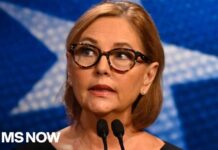

A longtime Democratic insider crossed the aisle on live TV, then vanished from X after callers erupted.
Story Snapshot
- Michael LaRosa said he would support Republican Mike Rogers over Democrat Abdul El-Sayed.
- LaRosa framed his break as a moral stand tied to 9/11-related rhetoric, not a party switch.
- C-SPAN callers blasted him on-air; reports say he then deleted his X account.
- Rogers’ campaign welcomed the support, signaling they saw it as real and useful.
A live split: what LaRosa said, and why it stung
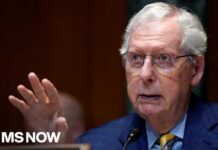
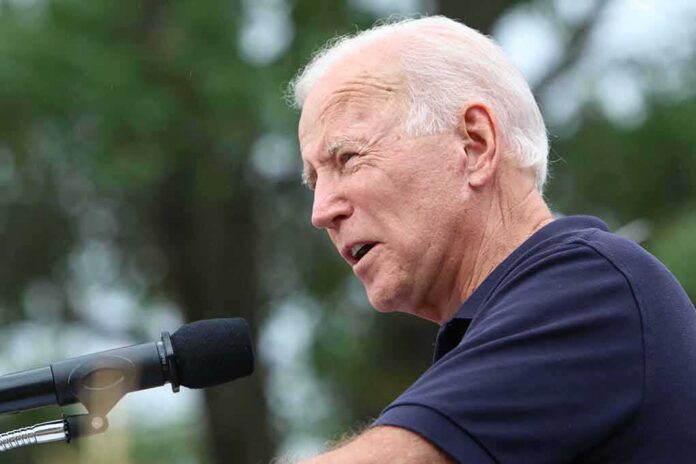
Michael LaRosa, once a spokesperson to the First Lady, told viewers he could not back Democrat Abdul El-Sayed and would support Republican Mike Rogers instead. He tied his choice to what he called a failure to stand up to extreme rhetoric linked to the September 11 attacks. He said this was about values, not a new party identity. He added he would urge other Democrats to follow his lead, and even contribute to Rogers’s campaign.
C-SPAN’s Washington Journal gave viewers a front-row seat to the break. Callers ripped LaRosa for “dissing” El-Sayed and acting like a “tag team” with a Republican. The pushback was loud and personal. Reports say that after the segment, LaRosa deleted his X account, widening the gap in the public record of his posts and replies. One report quoted him saying he has never supported a Republican before, stressing that this was a one-off stand.
🔥NEW: Ex-Biden Aide Michael LaRosa *FIRES BACK* at Michigan Dem C-SPAN Caller who rips him for attacking Abdul El-Sayed🔥
Caller: "As a Democratic strategist coming on a national program, I think that’s totally UNACCEPTABLE — and I think that you’re doing a DISSERVICE!"… pic.twitter.com/UFy3UyH1x0
— Jason Cohen 🇺🇸 (@JasonJournoDC) August 17, 2026
The 9/11 trigger that turned a party fight into a line in the sand
LaRosa’s stated line was clear: he would not support a candidate who, in his view, failed to confront a figure tied to offensive comments about September 11. He cited a personal connection to a victim who died that day. That framing turns a primary policy debate into a moral boundary. Conservative readers will recognize the appeal: draw a hard line against excuses for terrorism and for moral clarity in public life.
The conflict also carried a Michigan edge. El-Sayed and Rogers were already sparring online, with tensions high. That climate made LaRosa’s message louder, even though he said he has no vote or local ties in Michigan. The Rogers campaign quickly welcomed him. That welcome gave the move practical weight, even if its direct impact on Michigan voters remains unclear.
What we know, what is missing, and why it matters
The core facts stand on published reporting: LaRosa pledged support and a donation to Rogers, and he urged other Democrats to join him. The clip package available here does not include a full C-SPAN transcript, so the exact wording and tone of every exchange is not verified in this set. The record also does not show proof of an actual donation yet. Those gaps do not erase what he said publicly; they do temper claims about scope and follow-through.
🍿 POPCON WORTHY! 🍿
😂🤣😂
A Democrat caller on C-SPAN completely lost it at former Jill Biden press secretary and Democratic strategist Michael LaRosa for refusing to rubber-stamp Michigan’s far-left U.S. Senate nominee Abdul El-Sayed.
The caller, identifying as a Democrat,…— MovieWatcher II (@RetiredPitBoss) August 17, 2026
Coverage skewed through partisan outlets can heat a story and flatten its detail. That is true here. Still, the through-line is straightforward: a Democratic veteran rejected his party’s nominee on a moral ground tied to September 11, and a live audience tried to shame him back into line. He refused. In a polarized media world, that kind of defection often spurs more backlash than persuasion. Research shows cross-party signals can harden the other side more than they sway the base.
The conservative common-sense read
Standards beat slogans. Voters should want leaders who draw bright lines against extremism. If a candidate will not check allies who flirt with cruel or anti-American rhetoric, that is disqualifying. LaRosa made that case, at a cost. The callers’ fury proved the point about party pressure. The better path is simple: say what you believe, back it with action, and let voters judge. Parties rise when they defend clear moral ground and fall when they excuse the inexcusable.
Sources:
mediaite.com, c-span.org, thegatewaypundit.com, noticias.foxnews.com, yahoo.com, x.com, archive.org
© ournationnews.com 2026. All rights reserved.