

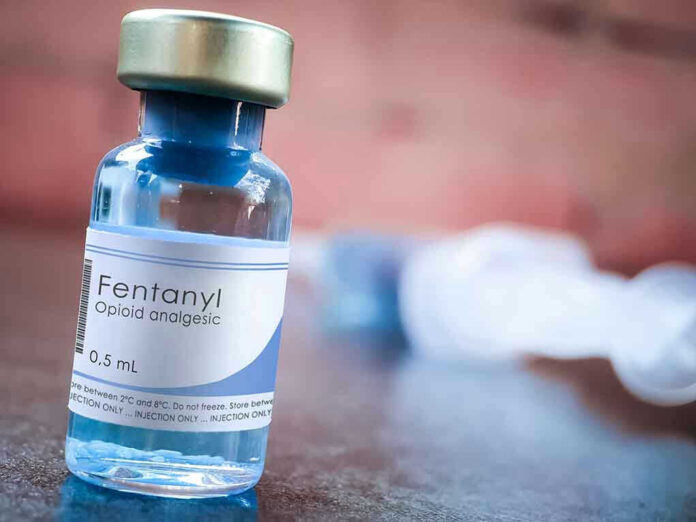
In a decisive move, President Trump has just signed the HALT Fentanyl Act into law, marking a significant step in the battle against the opioid epidemic that has plagued America for far too long.
At a Glance
- The HALT Fentanyl Act permanently classifies all fentanyl-related substances as Schedule I drugs.
- President Trump signed the bill into law on July 16, 2025, reinforcing a tough-on-crime stance.
- The law closes legal loopholes and increases penalties for fentanyl trafficking.
- Bipartisan support helped propel the bill through Congress, reflecting widespread concern over the opioid crisis.
A Permanent Solution to a Growing Crisis
For years, the opioid crisis has ravaged communities across the United States, with fentanyl and its deadly analogues leading the charge. These substances, often more potent than heroin, have been responsible for thousands of overdose deaths. The HALT Fentanyl Act finally brings a permanent solution by classifying all fentanyl-related substances as Schedule I drugs. This move closes loopholes that traffickers have exploited, ensuring that swift and severe penalties are in place for those pushing this poison onto our streets.
President Trump’s signing of this act signifies a return to sensible, tough-on-crime policies. It’s a stark contrast to the previous administration’s lackadaisical approach that did little to stem the tide of illegal drugs pouring into our nation. This legislation empowers law enforcement with the tools needed to dismantle trafficking networks and deal a righteous blow to the criminal enterprises profiting from American deaths.
Bipartisan Support and Strong Advocacy
The journey of the HALT Fentanyl Act through Congress was marked by a rare moment of bipartisan cooperation. Spearheaded by Senator Chuck Grassley, with co-sponsors from both sides of the aisle including Senator Bill Cassidy and Senator Martin Heinrich, the bill reflects a unified front in the fight against the opioid epidemic. Such cooperation is a testament to the universal acknowledgment of the crisis at hand and the urgent need for legislative action.
Support from over 40 major advocacy groups and a coalition of 200+ family and law enforcement organizations underscored the widespread public demand for change. These groups, representing families devastated by opioid overdoses, have been vocal in their calls for stricter controls. Their influence, alongside the support of the Drug Enforcement Administration, played a crucial role in the bill’s passage.
Impact and Implications
The HALT Fentanyl Act is now in effect, bringing immediate changes to how fentanyl-related offenses are prosecuted. Law enforcement agencies gain a clearer legal framework to pursue traffickers, and the judiciary system can impose more severe penalties. This isn’t just about punishment; it’s about deterrence and sending a clear message to those who threaten the safety of our communities.
While the law promises to reduce the availability of fentanyl analogues, concerns remain about its impact on scientific research and sentencing equity. The legislation includes provisions to streamline research registration for Schedule I substances, addressing some fears about hindering medical advancements. Nonetheless, the primary focus remains on public safety and saving lives.
Looking Ahead
The signing of the HALT Fentanyl Act is a significant victory, but it is not the end of the fight. The opioid crisis is multifaceted, involving demand reduction, treatment, and prevention efforts. While this law tackles the supply side aggressively, ongoing efforts are needed to address addiction’s root causes and provide support for affected individuals.
President Trump’s decisive action has set a new tone for tackling the opioid epidemic. The administration’s commitment to prioritizing American lives over political correctness and bureaucratic red tape is a refreshing change. As the HALT Fentanyl Act takes effect, it is hoped that it will pave the way for further victories in the battle against drug addiction and trafficking.
Sources:
U.S. Senate Judiciary Committee
Congress.gov bill summaries (House Bill 27)
Congress.gov bill summaries (Senate Bill 331)
President Trump’s Instagram post