
A sitting Republican senator said President Trump’s Russia diesel deal may break U.S. law and “absolutely” puts American lives at risk.
Story Snapshot
- Senator Thom Tillis said the diesel agreement may violate the 2022 ban on Russian energy imports.
- Treasury issued a temporary license to allow Russian diesel to reach the global market.
- Bipartisan senators urged Trump to reverse the plan on legal grounds.
- The White House pitched the deal as a price relief move with large delivery volumes.
What Tillis alleged, and why it matters
Senator Thom Tillis said on NBC’s Meet the Press that he sees “a legitimate case” the president is not following the law that limits imports of Russian energy products. He warned the arrangement “absolutely” puts American lives at risk, pointing to Russian funding of mercenaries and ties with Iran. These statements move the dispute from internet noise to a direct, on-record challenge. They also raise a core question: where Congress draws the line between sanctions law and executive flexibility.
Tillis did not offer a section-by-section legal brief on air. He argued from the 2022 statute that bars U.S. importation of Russian energy products unless strict conditions are met, including changes in Russia’s conduct in Ukraine. His phrasing—“legitimate case,” “may be illegal”—kept the door open to a legal defense by the administration. But his bottom line on risk was absolute, citing danger to special operators and forward-deployed troops if Moscow gains cash and leverage through expanded diesel sales.
What the administration did, on paper and at sea
The administration linked the deal to a Treasury Department license that allows Russian diesel to reach the global market for a set window. Reports say the permit applies to diesel loaded onto tankers by October 9, 2026, and runs into April 2027. That license is the key legal instrument. Its existence means this is not a backroom favor; it is a formal move that can be compared to the statute. Treasury Secretary Scott Bessent has argued the policy uses lawful tools to lower prices for American consumers.
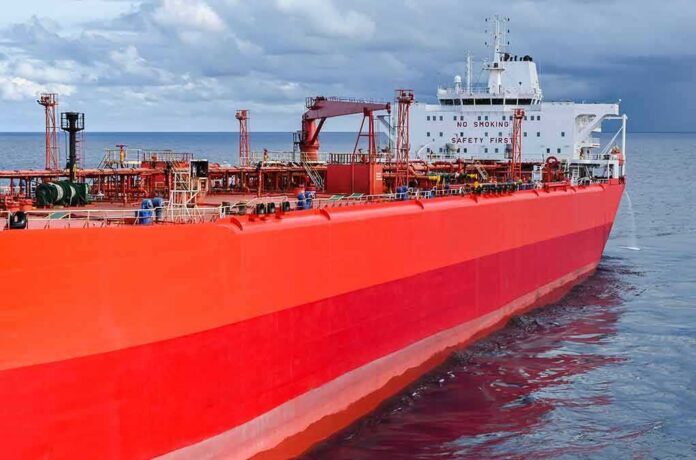
Delivery volumes give the policy real weight. Reported figures include more than 300,000 tons immediately, 500,000 tons in November, one million tons thereafter, and a possible three million tons more within a short period. Those numbers, if realized, can ease tight diesel markets and calm freight costs. They also frame the national security claim: larger volumes mean larger potential revenues for Russia, which critics see as a pipeline to hostile activity. Supporters focus on near-term relief at the pump.
Congressional pushback crosses the aisle
Opposition to the plan did not stop with one senator. A bipartisan group urged President Trump to reverse course, stating the agreement conflicts with U.S. law that bars energy imports until Russia ends its aggression against Ukraine. That message matters because sanctions design is a shared power space. Congress writes guardrails. The executive branch navigates markets. When both parties in the Senate flag a potential breach, they are signaling a likely oversight fight and possible legislative action to tighten any perceived loopholes.
For conservatives who value clear lines and the rule of law, the cleanest path is sunlight and text. Show the license. Show the statutory basis. If the 2022 law set a firm import ban with narrow off-ramps, the White House must show how a general license fits within those limits without gutting Congress’s intent. If it does, the public sees lawful flexibility serving Americans. If it does not, Congress should correct it quickly, because deterrence against Moscow rests on consistent, enforced rules.
The policy trade: price relief versus pressure on Moscow
The White House frames the deal as a tool to drop prices for farmers, truckers, and families. That appeal lands because diesel touches everything from food to freight. Lower prices can feel like an immediate win. The counter is that short-term relief should not fund a long-term adversary. The 2022 law aimed to cut revenue that fuels Russia’s war machine. A policy that boosts Russian sales, even into non-U.S. markets, can undercut the spirit of that goal if it weakens global pressure.
Thom Tillis is very angry about the oil deal with Russia. Zelensky refused to stop bombing Russia’s refineries. The world needs diesel.
He says Trump might have broken the law.
Trump is trying to save the midterms and help the world that needs diesel.
There is a congressional…
— Maura (@fatfatelephant) October 12, 2026
The prudent standard is simple and conservative. First, fidelity to statute. Second, clear limits and tight timelines. Third, proof that benefits flow to Americans more than to the Kremlin. Congress can demand the Treasury license, its legal memo, and shipment reporting to test each claim. If the administration’s case holds, Americans get relief without helping Moscow. If not, lawmakers should close the gap. One sentence caveat: no court has yet ruled on the license’s legality as reported.
Sources:
thegatewaypundit.com, politico.com, reuters.com, apnews.com, nbcnews.com, forth.news
© ournationnews.com 2026. All rights reserved.