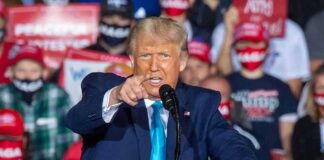

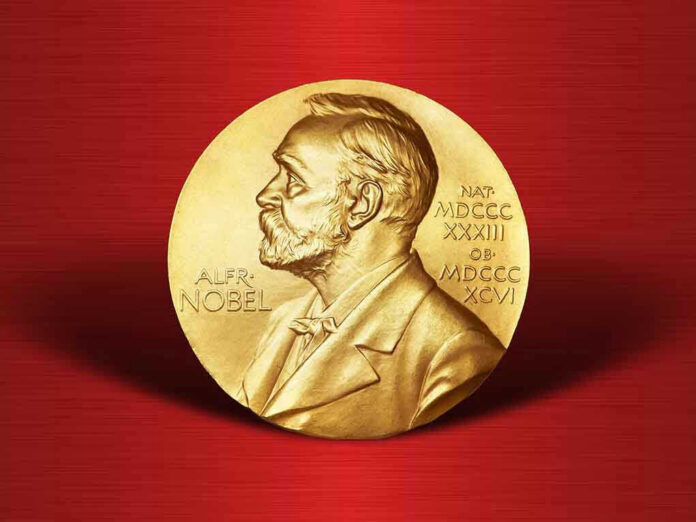
President Trump called his Nobel Peace Prize snub a “stain on Norway,” then doubled down with a case he says the committee chose to ignore.
Story Snapshot
- Navi Pillay won the 2026 Nobel Peace Prize for advancing international law, not battlefield deals.
- Trump blasted the pick as political and said the prize should have gone to him.
- Pillay joked she might share the prize with Trump, keeping the spotlight on their clash.
- The Nobel Peace Prize often stirs political fights by design, the foundation admits.
Trump’s Charge: A Prize That Snubbed Results
President Trump told supporters the Nobel Peace Prize “left an indelible stain on Norway” after the committee chose South African jurist Navi Pillay over him. He argued his record resolving conflicts outpaced legal activism and claimed the committee acted on politics, not peace. Reporters captured Trump’s remarks and his view that the award should have gone to him, repeating his long-standing belief that his deals reduced wars and saved lives.
Trump’s critique landed because it speaks to an old divide. One vision rewards signed agreements and deterrence. The other elevates legal rules that demand accountability. Many conservatives side with results you can count: cease-fires that stick, hostages home, weapons silent. They hear “international law” and wonder where the victory metrics are. Trump channeled that instinct and framed the prize as missing the moment when hard decisions, not court briefs, set the terms for peace.
Why Pillay Won, In The Committee’s Words
The Norwegian Nobel Committee said Navi Pillay earned the prize for strengthening a global system that prosecutes war crimes, crimes against humanity, and genocide. The committee praised her courage and integrity and tied peace to the threat of punishment for atrocities. It cast her life’s work as building a safer order by making law bite, not just speak. The committee’s official releases underscore that frame and stand as the authoritative rationale.
Pillay’s résumé matches that thesis. She led the United Nations human rights office, served on global courts, and pressed for accountability when war’s fog hid terrible acts. Supporters view this as preventive: proof that law can deter leaders from crossing bright red lines. The award announcement amplified that idea on a global stage. It was not about one treaty. It was about the long, slow work of closing the gap between horror and justice.
The Committee vs. The “Peace Through Strength” Test
The Nobel Peace Prize has a history of controversy. Its own foundation says the award often provokes strong reactions when it steps into live political fights or honors figures before a conflict reaches true peace. That is not a bug in the design; it is a choice the committee makes. It sometimes crowns builders of legal norms and, other times, dealmakers who halt shooting wars. That swing fuels recurring debates like this one.
President Trump is pushing back after being passed over for the Nobel Peace Prize, saying leaders from countries where he helped resolve conflicts personally appealed to the committee on his behalf.
"So I settled eight wars with letters being sent from every president and prime… pic.twitter.com/fSovHOcxeT
— Fox News (@FoxNews) October 10, 2026
From a conservative lens, the test is simple: did violence drop and did Americans and allies get safer. That view prioritizes deterrence, borders, energy security, and direct pressure on aggressors. It treasures outcomes over process. When the prize goes to a jurist over a head of state who claims battlefield results, the instinct is to ask whether symbolism beat substance. The committee’s defenders answer that lasting peace rests on rules and credible courts that bind even the powerful.
Pillay’s Response, And What Comes Next
Navi Pillay brushed off the furor with a jab of her own, quipping she might share the honor with Trump. That one-liner kept attention on the feud while reinforcing her poise under fire. The exchange also highlighted two paths to peace in the public square. Trump puts the spotlight on leverage, speed, and clear wins. Pillay points to law, patience, and hard cases that set bright lines for the next crisis.
How To Judge This Fight Without The Noise
Voters do not need a lecture to sort this out. Look at mission, method, and measurable effects. The committee chose a legal architect and made a statement about accountability shaping peace. Trump demanded recognition for conflict management and deterrence that he argues reduced bloodshed. Both tracks matter. But the prize only goes one place each year. When it backs systems over deals, expect sharp pushback from leaders who move the world with power first and paperwork second.
Sources:
apnews.com, lbc.co.uk, afp.com, independent.co.uk, cbc.ca, nobelpeaceprize.org, un.org, nobelpeacecenter.org
© ournationnews.com 2026. All rights reserved.