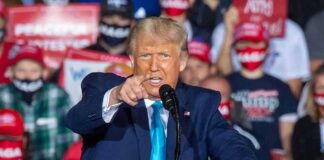
Trump just said Ukraine should “get a new president,” and the clock on a war-ending deal started ticking louder.
Story Snapshot
- Trump blamed Volodymyr Zelenskyy for stalled peace, not Vladimir Putin, in a new interview.
- He set a condition: Zelenskyy must say clearly he wants peace and drop hostile rhetoric toward Putin.
- Real 2022 Istanbul drafts show talks existed but left major issues unresolved, not a final deal.
- Zelenskyy later told Trump Ukraine was ready to negotiate “as soon as possible,” creating tension with the blame claim.
Trump’s Charge And The Condition He Set
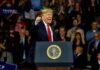
President Trump named Zelenskyy as the person blocking a settlement and said Russia was more ready to deal. He told Reuters that Zelenskyy was “having a hard time getting there,” and when asked who was preventing a settlement, he said “Zelenskiy” without hedging. He also set a public condition after their February 2025 clash: Zelenskyy should say out loud, “I want to make peace,” and stop language Trump viewed as hostile toward Putin. That is a blunt lever meant to force a visible shift.
Conservatives will hear a simple test: say you want peace, now. That aligns with a results-first, peace-through-strength instinct. Words matter in diplomacy because they signal intent. But words alone do not end artillery fire. The power question lingers: does a public statement unlock a real deal, or just move headlines? Trump’s demand draws a red line that is easy to verify but hard to convert into enforceable terms.
What The Istanbul Papers Prove—and What They Don’t
Negotiators from Russia and Ukraine met in Istanbul in March 2022 and produced draft texts. The drafts sketched neutrality for Ukraine, limits on military posture, and security guarantees from outside powers. They also left big gaps, including disputes over guarantor powers and the scope of any Russian veto. These documents show a live channel with material proposals, not a fantasy. They do not show a finished peace that one man simply refused.
The record undercuts any claim of a ready-to-sign treaty dumped by Kyiv alone. It also rebuts the idea that no path existed. The talks were real but incomplete. That is the narrow ground where this argument must stand: a framework existed, but it was not done. For a reader who wants a clean villain, the documents disappoint. For a reader who wants a path, they offer a scaffold, not a roof.
Zelenskyy’s Stated Line On Peace And Power
Zelenskyy has said Ukraine seeks a just and lasting peace and needs strength and real security guarantees to reach it. He has argued that pressure on Russia is required because talk alone will not shift Moscow’s aims. That stance matches wartime common sense: enter talks from a position of leverage, not weakness. It also means Kyiv links talks to ceasefire terms, troop movements, and enforceable guarantees, not to a press release and a handshake.
Trump himself later quoted Zelenskyy saying Ukraine was ready to negotiate “as soon as possible,” and to work under Trump’s leadership. That statement clashes with a picture of flat refusal and suggests the dispute is about terms, timing, and method, not whether to talk at all. If both leaders say they want talks but differ on preconditions, the bottleneck is design, not desire.
Would A New Ukrainian President Change The Endgame?
Trump’s latest line—Ukraine should “get a new president”—is a political accelerant, not a peace plan. The record shows no named successor, no Russian commitment to terms that meet basic Ukrainian sovereignty, and no enforcement system that would hold after the ink dries. The Istanbul drafts never nailed those pieces down. Replacing Zelenskyy may change tone, but it does not by itself solve veto fights, occupied land, or credible guarantees.
Breaking: US President Donald Trump is publicly calling for the replacement of Volodymyr Zelenskyy, declaring right now that "it is time for Ukraine to have a new president."
The crook will be arrested—by his own men! pic.twitter.com/hGoavS1oKm— Real News (@DrNeculai) October 10, 2026
Here is the practical test voters should use. First, can any plan define borders, security guarantees, and outside enforcement that deter a fresh attack? Second, can it win support inside Ukraine’s law and politics, where wartime legitimacy matters? Third, will Moscow accept limits without hidden veto rights? If a proposal cannot answer those three, it is still a slogan. Trump’s pressure may open a door. The deal still needs walls, locks, and a guard.
Sources:
youtube.com, reuters.com, theprint.in
© ournationnews.com 2026. All rights reserved.