
New York City’s mayor plans to scrap a 600-officer rapid-response police unit before showing who will do its job next.
Story Snapshot
- Mayor Zohran Mamdani says he will disband the NYPD Strategic Response Group and split protest response from counterterrorism.
- City Hall confirms the goal to separate protest policing from counterterrorism but has not released a full replacement plan.
- The NYPD describes the unit as a “critical asset” for protests, parades, and major emergencies across the city.
- The City Council’s CURB Act push adds pressure but may only rename, not reform, core tactics if details lag.
What the mayor vowed, and what the city has confirmed
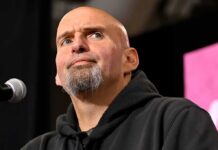
Mayor Zohran Mamdani said he will disband the New York Police Department Strategic Response Group. He argues the city must keep protest response separate from counterterrorism work. City Hall backed the direction, stating the administration will split those missions and end the current unit. The commitment matches a long-stated promise he made during his campaign and after. The plan’s specifics remain pending, including which units will assume crowd control and which will keep counterterrorism capabilities.
The policy push has a legislative partner. The Communities United to Reject Brutality Act, reintroduced by Council Member Chi Ossé, seeks to curb the Strategic Response Group’s role in protests. The New York Civil Liberties Union says a majority of the City Council supports the measure. Supporters claim this locks in the separation of missions. The vote count signals real momentum, but a bill alone does not answer who takes over training, deployment, and command when protests grow tense.
What the Strategic Response Group actually does today
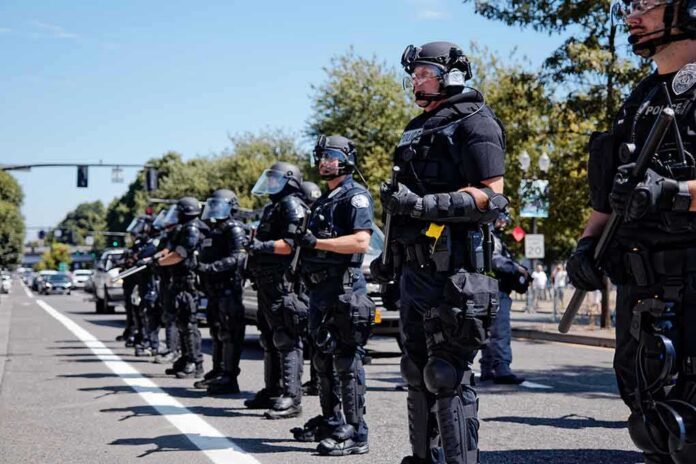
The New York Police Department says the Strategic Response Group handles citywide mobilizations, civil disorder, and major events. The department calls it a “critical asset” during parades, protests, and even the papal visit. Leaders also use the unit to surge officers where crime spikes or a stronger presence is needed. The unit can mobilize for shootings, bank robberies, missing-person searches, demonstrations, and other urgent incidents. That span shows why swapping it out requires a clear map.
The force size is large. Reports place the unit at about 600 officers. Disbanding it means reassigning significant manpower and specialized skills. That includes rapid deployment, coordination with intelligence teams, and field leadership at chaotic scenes. Without a written transition, the same people could end up in a new patch with old playbooks. Critics inside the council already warned the city could simply rebuild the group under a different name, without changing tactics or results.
The case for change, and the risk of getting it wrong
Supporters say the current setup mixes two very different missions. They argue police trained for terror threats should not lead on First Amendment protests. They also claim past protest deployments fueled tension and confusion. Research from national policing groups has urged departments to weigh the impact of armored gear and heavy posture on crowd behavior and to avoid tactics that escalate peaceful gatherings into clashes. That advice favors a clean, trained protest unit with clear de-escalation rules.
Zohran Mamdani Preparing To Disband NYPD Unit That Responds To Riots And Terrorism. 🚨
Mayor Zohran Mamdani is expected to unveil a plan as early as this week to disband the NYPD's Strategic Response Group, the counterterrorism and protest-response unit, fulfilling a key… pic.twitter.com/zGetdS6mMB
— George Balfour-Kinnear (@balfourUK) November 13, 2026
Opponents do not oppose better training; they ask who handles the next fast-moving emergency while the city experiments. They question why the mayor would tear down an established surge unit during a time of global threats and volatile street protests. The New York Police Department’s own description bolsters those concerns. If the Strategic Response Group covers everything from parades to shootings, then the city must publish a new command tree, activation triggers, mutual aid rules, and staffing levels before any cutoff date. That is common sense and lines up with public safety priorities.
The checklist that separates reform from slogan
A serious plan would do four things before any officer moves. First, name the replacement units and their chain of command. Second, set training standards for protest response, separate from counterterror work, with clear rules on gear, arrests, and dispersal. Third, lock a joint operations protocol so counterterror teams, crowd managers, and detectives can fuse information in real time during major events. Fourth, publish activation thresholds, response times, and after-action reporting for public review. Anything less invites chaos.
City Hall has time to land this plane. But the clock is ticking. If the mayor wants to prove this is more than a rebrand, he should release the transition memo, budget lines, and deployment playbooks now. If he cannot, opponents will frame this as politics that weakens order. That frame will stick the first time a march turns violent or a threat emerges without a ready surge unit. A transparent, detailed plan would answer both sides: protect speech and keep New Yorkers safe.
Sources:
foxnews.com, nyclu.org, fox17.com, yahoo.com
© ournationnews.com 2026. All rights reserved.