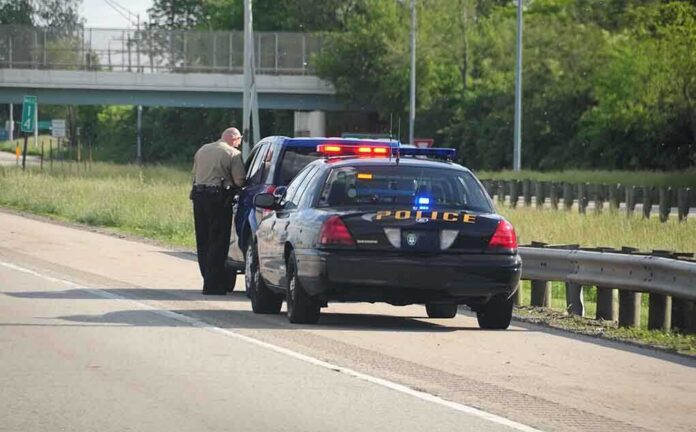
One New Hampshire lawmaker is asking a court to treat speeding tickets like a constitutional immunity test, and that is what makes the case so unusual.
Quick Take
- State Representative Ellen Read wants two speeding cases dismissed on legislative privilege grounds.
- Her argument leans on a New Hampshire Constitution clause tied to lawmakers traveling to or from the legislature.
- Prosecutors say that protection is meant to prevent interference with legislative work, not erase traffic law.
- The dispute now turns on how a judge reads old constitutional text in a modern highway stop.
The Constitutional Claim Behind the Tickets
Read’s legal filing says sheriff’s deputies lacked authority to detain or charge her because the state constitution protects lawmakers traveling to or from the legislature. The argument points to New Hampshire’s separation of powers language and the legislature’s own procedural protections in Section 37. On paper, that sounds broad. In practice, it asks a court to decide whether an 18th-century safeguard reaches a speeding stop on a modern interstate.
New Hampshire State Rep. Ellen Read (Democrat) Caught Speeding at 107 MPH on 65 MPH Zone – Now Claims “Legislative Privilege” Means She’s Above the Law and Not Subject to the Same Rules as Her Constituents https://t.co/MGyKcwLwap
— Pipsy Poodler (@PipseyPoodler) July 15, 2026
That is the heart of the fight. The constitutional text speaks about lawmakers not being arrested, or held to bail, on mesne process while in transit. It does not mention traffic citations, speeding charges, or highway patrol stops. That gap leaves room for Read’s reading, but it also gives prosecutors a strong opening to argue that the clause was never meant to shield routine traffic enforcement.
The case has already moved beyond legal paperwork and into the politics of common sense. Read, a Democrat from Newmarket, is also running for reelection, which means every headline now carries a campaign shadow. That matters because the public rarely hears the fine print first. It hears the speed, the road, and the words “laws do not apply,” and that can flatten a constitutional dispute into a story about privilege.
Why Prosecutors See It Differently
Prosecutors have pushed back by saying legislative privilege exists to keep lawmakers from being blocked from doing their jobs, not to help them avoid the normal consequences of driving too fast. That distinction is important. If the stop did not stop legislative work, they argue, then the privilege should not apply. That is a clean argument for ordinary readers, and it fits a narrow reading of the constitutional protection.
The problem for both sides is that the higher courts have not yet given a final answer on this exact question. The New Hampshire Supreme Court declined to hear Read’s appeal at this stage, which suggests caution, but not a full ruling on the merits. So the case still sits in a gray area where text, history, and public reaction all pull in different directions.
Read’s side also has a factual hurdle. Reports say she was previously clocked at more than 100 miles per hour in another incident. That does not decide the legal issue, but it weakens the narrative that every stop was tied to urgent legislative travel. If a court wants a tight link between the trip and official duty, prior speeding makes that link harder to sell.
What Makes This More Than a Traffic Case
Cases like this linger because they expose a larger tension in state government: how far old constitutional privileges should reach when the facts are ordinary and embarrassing. New Hampshire’s Constitution is old, and its language was written for a world of horses, not interstate patrols. Courts often hesitate before stretching such language to cover situations the framers never imagined.
NH State Rep. Ellen Read joined Dan after she was clocked driving 107 mph & invoked legislative privilege during the traffic stop. The case has sparked debate over whether that protection applies to speeding violations.https://t.co/uV5kFGYQTZ pic.twitter.com/R0KMMkUseT
— Dan Rea (@WBZNightside) July 15, 2026
That is why the next hearing matters. A ruling for Read would invite more lawmakers to test the edges of legislative privilege. A ruling against her would reinforce the idea that constitutional shields protect democratic work, not aggressive driving. Either way, the judge will not just be deciding two speeding cases. The court will be setting a line between public office and ordinary accountability, and that line will matter well beyond one New Hampshire road.
Sources:
facebook.com, sites.camden.rutgers.edu, foxnews.com, bostonglobe.com, law.justia.com, mclane.com
© ournationnews.com 2026. All rights reserved.