Havana’s streets have erupted in open defiance of the Communist Party, with protesters boldly chanting “down with communism” while their families sit in darkness during rolling blackouts—yet the regime clings to power even as its economic model collapses and international pressure mounts from Washington to Brussels.
Story Snapshot
- Large-scale anti-communist protests have rocked Cuba since 2021, intensifying through 2024–2026 amid economic collapse, blackouts, and food shortages.
- Protesters openly chant “down with communism” in Havana and other cities, marking the most explicit challenge to one-party rule in decades.
- The European Parliament is pushing to suspend cooperation agreements with Havana over human-rights abuses, including reports of ten political prisoners dying in custody.
- U.S. lawmakers and Cuban-American exile groups are demanding tougher pressure on the regime, while global communist parties blame American sanctions for Cuba’s crisis.
When the Lights Go Out, the Voices Rise
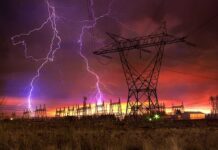
On February 6, 2026, Havana’s Arroyo Naranjo district plunged into darkness. The blackout was nothing new for Cubans enduring chronic power failures, but this time residents grabbed pots and pans and poured into the streets. The cacerolazo—a traditional pot-banging protest—thundered through the neighborhood, a visceral expression of fury that has become the soundtrack of a nation at breaking point. This wasn’t simply frustration over electricity. It was rage against a government that has presided over the worst economic deterioration since the Soviet collapse, leaving Cubans without food, medicine, or hope.
These demonstrations are part of a sustained wave of unrest that began with the historic July 11, 2021 protests, when thousands flooded Cuban streets shouting “freedom” and “patria y vida.” Security forces met them with batons, pepper spray, and mass arrests. Yet the discontent has not been crushed. Instead, it has metastasized into a pattern of recurring, localized outbursts whenever shortages spike or the power grid fails. The regime dismissed the 2021 protests as U.S.-orchestrated chaos, but the reality is harder to spin away: ordinary Cubans, especially the young, no longer buy the revolutionary mythology.
Europe Rethinks Its Cuba Compact
The pressure on Havana is not only coming from the streets. In late January 2026, the European Parliament approved an amendment calling for the revision or suspension of the EU-Cuba Political Dialogue and Cooperation Agreement. The move followed reports that around ten political prisoners had died in Cuban jails after protesting the death of a 19-year-old inmate. Inmates complained of food shortages and lack of medical care—conditions that mirror the suffering outside prison walls. European policymakers, long willing to engage the Castro regime in hopes of gradual reform, are now questioning whether their financing props up repression rather than alleviates hardship.
Cuban exile groups seized on the European debate. On February 23, 2026, members of the Assembly of the Cuban Resistance and former political prisoners gathered outside the EU Delegation in Washington, D.C. They argued that European taxpayer money strengthens the very security apparatus that tortures dissidents and silences protest. For these exiles, engagement has been a failed experiment. They want isolation, sanctions, and relentless pressure until the regime cracks. The European Parliament’s shift suggests that argument is gaining traction, at least among some lawmakers who see Cuba not as a partner in transition but as a volatile autocracy clinging to survival.
Washington’s Role and the Trump Specter
U.S. support for Cuban protesters has been vocal but indirect. State Department officials deny orchestrating demonstrations, calling Havana’s accusations absurd. Yet Republican lawmakers like Representative María Elvira Salazar and Senator Rick Scott have embraced the protests as proof that communism has failed and that Cubans hunger for freedom. They champion measures such as the DEMOCRACIA Act, designed to support civil society and tighten the economic vise on the regime. For them, the protests validate decades of U.S. hardline policy and justify even tougher sanctions.
Donald Trump, who tightened the embargo during his presidency and rolled back Obama-era openings, looms over this debate even though he currently holds no official position. His rhetoric and past policies energized Cuban-American voters and exile groups who view regime change as both a moral imperative and a political priority. While there is no credible evidence that Trump is actively directing policy toward Cuba today, his influence persists in conservative circles pushing for maximum pressure. The Cuban government, meanwhile, continues to blame Washington for every shortage and blackout, casting itself as a besieged fortress resisting American imperialism.
The Ideological Battlefield Beyond Havana
Cuba has always been more than an island; it is a symbol in the global clash between socialism and liberal democracy. Over 100 communist and workers’ parties from around the world recently signed a statement titled “Stop the escalation of aggression against Cuba,” condemning U.S. sanctions and framing Havana’s plight as the result of external aggression, not internal failure. For these parties, Cuba represents anti-imperialist resistance, and any protest is dismissed as the product of foreign meddling. This narrative resonates in some quarters, particularly among leftists who view American power with deep suspicion.
Anti-Communist Protests Erupt in Havana As Trump Eyes Shake-Up in Cuban Leadership
https://t.co/etV2MMwMPX— George Murray Jr (@GeorgeMurrayJr1) March 8, 2026
Yet the facts on the ground tell a different story. Cubans are not protesting because the CIA told them to. They are protesting because they cannot feed their children, because hospitals lack basic supplies, and because the Communist Party offers no path to change. The slogans are explicit: “down with communism,” not “down with sanctions.” The regime’s legitimacy rests on a revolutionary myth that fewer and fewer Cubans believe. The generational divide is stark. Young Cubans have no memory of Fidel Castro’s charisma or the early victories of the revolution. They see only stagnation, corruption, and a gerontocracy that will not let go.
What Comes Next for a Nation in Crisis
The Cuban government retains the tools of repression—police, courts, surveillance, and the willingness to use them. Protests have been suppressed, leaders arrested, and dissidents silenced. The regime is still firmly in control, but control is not the same as stability. Each blackout, each food shortage, each funeral of a political prisoner erodes what little public trust remains. The long-term question is whether the Communist Party can reform enough to release pressure without losing power, or whether it will double down on repression until the system simply implodes.
International actors face their own choices. Europe must decide if engagement can ever yield human-rights gains or if it merely subsidizes tyranny. The United States must balance solidarity with Cuban protesters against the risk that escalating sanctions deepen civilian suffering without weakening the regime. And Cuban exiles must reckon with the reality that regime change, however desirable, may bring chaos before it brings freedom. For now, the protests continue, intermittent but persistent, a slow-burning fuse in a nation that has run out of patience.
Sources:
Cubans Protest EU Financing of Havana Regime Amid Rising Tensions
2024–2026 Cuban protests – Wikipedia
Pressure on Havana is Mounting: What Comes Next for Cuba Matters
More than 100 Communist and Workers’ Parties say Stop Escalation of Aggression Against Cuba
SWP Call to Action: US Hands Off Cuba, End Washington’s Economic Blockade