
United’s new headphone rule isn’t really about earbuds—it’s about whether basic public courtesy can still be enforced at 35,000 feet.
Quick Take
- United now requires headphones or earbuds for any audio from personal devices, including movies, shows, music, and games.
- Flight crews can escalate from a warning to removal from the flight, and repeated refusal can lead to being banned.
- The policy reflects a shift from “please be considerate” to hard, enforceable cabin standards.
- Families and frequent fliers sit at the center of the friction: convenience for one row quickly becomes misery for the next.
United’s Headphone Mandate Turns Manners Into an Enforceable Rule
United Airlines has drawn a bright line: if sound comes from your device, it goes through headphones. The policy applies across United flights and targets the modern cabin problem everyone recognizes—TikTok clips, Netflix dialogue, game sound effects, and kids’ cartoons playing into shared airspace. United’s reported enforcement teeth matter as much as the rule itself: passengers who refuse can be removed from a flight and potentially banned.
The speed of the rollout tells its own story. Reports dated March 4, 2026 describe the policy as active, not a distant plan waiting for signage and slow adoption. That timing suggests United believes the cabin has crossed a threshold where polite reminders no longer work. The airline industry has learned, sometimes the hard way, that unclear expectations invite arguments, and arguments at altitude become operational and safety problems fast.
Why This Became a Flashpoint: Phones Turned Every Seat Into a Living Room
Cabin noise didn’t begin with streaming, but streaming supercharged it. Portable CD players were annoying; smartphones are relentless. Every passenger now carries a high-powered screen, a speaker, and a personalized algorithm that never stops offering “one more.” Etiquette used to rely on a shared sense of restraint. Today it collides with a culture that treats public spaces like private property, especially when people feel stressed, cramped, or entitled.
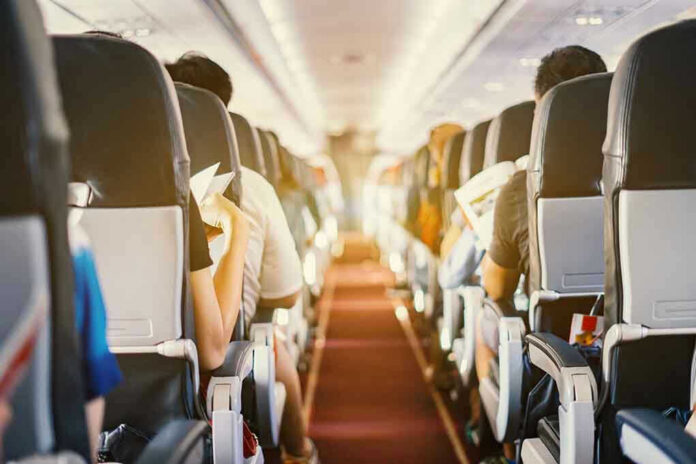
The reports also point to a familiar source of conflict: parents who play audio for children without headphones. Most travelers sympathize with exhausted moms and dads trying to survive a long flight. The problem is that sympathy doesn’t cancel physics. In a packed cabin, sound travels, bounces, and becomes impossible to ignore. One row’s coping strategy becomes another row’s forced participation, and resentment starts building long before the wheels leave the gate.
Enforcement Lives With Flight Attendants, and That Changes the Stakes
United’s rule sounds simple until you picture the moment of enforcement. Flight attendants already handle seat belts, carry-ons, alcohol, and the occasional meltdown. Adding “audio police” can invite confrontation, so the expectation in coverage is that crews will warn first and escalate only when a passenger refuses. That escalation matters because airline authority isn’t theoretical; the contract of carriage gives carriers broad discretion to deny transport for noncompliance.
From a common-sense perspective, the conservative case for this policy is straightforward: order and predictability beat chaos, and rules should protect the majority behaving reasonably. A quiet cabin isn’t a luxury; it’s part of basic public decency. The real test is consistency. If enforcement looks selective or hesitant, the rule becomes another empty announcement. If it’s applied evenly, most passengers will comply because most people prefer peace to a showdown.
Removal and Bans Signal a Bigger Trend: The Era of “Optional” Courtesy Is Ending
One phrase in the media coverage lands like a gavel: it’s a shame when airlines have to “mandate good manners.” That’s the cultural shift in a nutshell. For years, travelers watched etiquette slide—barefoot walks to the lavatory, speakerphone calls, screen glare, arguments over recline—while institutions tried to avoid policing “personal choices.” United’s move says the industry may now view courtesy as part of the product, not a suggestion.
The policy also hints at what could come next. If an airline can require headphones to reduce cabin conflict, other behaviors become candidates for rulemaking: volume from phone calls, disruptive conversations, maybe even dress-code debates that have already entered the public arena. This isn’t about turning air travel into a finishing school. It’s about preventing the small provocations that spiral into delays, diversions, and viral videos that punish everyone.
What Passengers Should Do Now: Pack Headphones Like You Pack ID
The practical takeaway is unglamorous: treat headphones as mandatory travel gear. Keep a backup pair in your personal item, especially for kids’ tablets. Download content before boarding, check that Bluetooth connects, and consider wired options for reliability. When the cabin goes quiet, you feel the difference immediately—less tension, fewer side-eyes, fewer whispered complaints to a spouse. Quiet doesn’t just improve comfort; it lowers the odds of conflict.
Passengers refusing to wear headphones on flights could be kicked off aircraft: 'It's about time' https://t.co/kHyfannjlZ #FoxNews
— MATT (@MATTHILGER1) March 5, 2026
United’s policy will irritate a small group of holdouts, but it likely aligns with what most passengers already want: a shared space that doesn’t feel like a food court. The bigger question is whether airlines can rebuild the norm that adults self-regulate without being forced. Until that returns, rules like this will keep appearing—because in a metal tube hurtling through the sky, “do whatever you want” has never been a workable philosophy.
Sources:
United Airlines Will Now Kick Passengers Off Flights for This Rude Behavior
Major U.S. Airline Will Start Removing Passengers Who Don’t Wear Headphones