
Israel’s defense minister says Iran issued a kill order against President Trump and his family—and warned of U.S.-based cells poised to act.
Story Snapshot
- Israel’s defense chief alleged Iranian-directed plots against Trump and top officials.
- Reports say intelligence flagged dirty-bomb or chemical-attack options under review by Iran, not imminent action.
- Iran denied all chemical-weapons and dirty-bomb claims as propaganda.
- The United States has charged Iran-linked actors in past plots to kill U.S. officials, including Trump, showing intent and capability.
What Katz Alleged, And Why It Matters
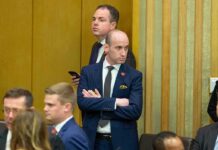
Defense Minister Israel Katz told Israeli reporters on November 24 that Iran ordered the elimination of President Trump and his family. He said Iranian cells operate inside the United States and target senior officials. His warning came with a second charge: Iran is developing chemical weapons, which he called a “game changer,” and urged readiness to stop it. The message landed like a siren. It framed the threat as coordinated, cross-border, and urgent, while linking it to a push for preemptive options.
The allegation did not come with public proof. No arrest, affidavit, or declassified file was released to show an active domestic cell or a direct assassination order. That gap does not end the story; it defines its stakes. Katz says intelligence exists. The absence of publicly shared evidence leaves journalists and readers weighing claims, denials, and the long record of Iranian plots against U.S. targets since 2020, when Iran vowed revenge for Qassem Soleimani’s death.
What U.S. Intelligence And Officials Have Signaled
A report citing seven U.S. officials described Iranian planning for retaliation that could include a radiological dirty bomb or chemical device. The report stressed this was planning, not proof of an imminent strike. A White House spokesperson said there were no credible threats to the homeland at that time. Iran’s United Nations mission rejected the dirty-bomb and chemical claims outright. This public posture narrows, but does not erase, Katz’s more aggressive framing.
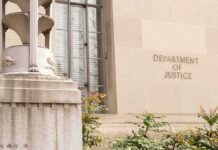
American conservative common sense sorts risk by two questions: intent and capability. U.S. courts and the Department of Justice have already charged and, in some cases, convicted Iran-linked operatives in plots to kill U.S. officials, including a case where an Iranian regime tasking involved surveillance and planning to assassinate President-elect Trump in 2024 filings. That record supports intent and reach. The new claims concern timing, method, and whether networks are active on U.S. soil right now—which requires fresh proof.
Iran’s Denials Versus The Pattern Of Plots
Iranian officials called the chemical and dirty-bomb reports lies and propaganda. They compared them to the Iraq weapons of mass destruction claims. They rejected the idea that Iran seeks chemical arms or plans to use them in Washington. They insisted the allegations are a political setup. Reporters logged those denials alongside U.S. comments that current intelligence pointed to options under review, not an active attack order. Denials meet a hard truth: words do not erase indictments and convictions that show real-world past plots.
Public rhetoric in Iran has grown harsher. Funeral crowds and banners have displayed threats and revenge messages aimed at Trump. Such images burn into memory, but they do not prove an active cell in Cleveland or Queens. They show a climate where violence against American leaders can be praised in public space. That climate matters because it aligns with earlier Iranian operations that used cutouts, criminal proxies, and overseas handlers to try to strike U.S. targets.
What To Watch Next: Evidence, Posture, And Policy
Three things will decide how this story hardens. First, disclosure. If Israel or the United States releases a vetted intelligence summary tying an assassination order to named Iranian actors, this moves from warning to brief. Second, law enforcement actions. The Federal Bureau of Investigation (FBI) and Department of Justice searches, arrests, or charges would confirm domestic activity. Third, defense posture. Calls for preemptive action to block chemical weapons demand solid, testable facts before force is used.
Policymakers should hold two ideas at once. Dismissals based only on past intelligence failures invite surprise. Blind faith in wartime claims invites error. The prudent path is Reagan’s old line: trust but verify. Protect the president with overwhelming security. Push allied services to surface declassifiable proof. Demand clear attribution, method, and timeline. When facts line up with the public record of Iranian plotting and the courts’ findings, act fast and unapologetically. When they do not, keep digging—and keep guard up.
Sources:
matzav.com, arabtimesonline.com, yahoo.com, cbsnews.com, cambridge.org
© ournationnews.com 2026. All rights reserved.