
In the Oval Office, a policy rollout turned combative the moment questions cut to power and money.
Story Snapshot
- President Trump and Vice President JD Vance unveiled a federal fraud tip program.
- The plan, called the Fraud Whistleblower Incentive Program, set a $25 million pool.
- Trump said he would act as “arbitrator” on reward disputes during the event.
- Reporters pressed on payout rules as the exchange in the room grew tense.
A program built to crowdsource fraud tips
President Trump introduced a new whistleblower plan in the Oval Office on October 20, 2026. The administration framed it as a way for regular Americans to help stop waste and fraud in government. The program set aside $25 million and offered rewards for solid tips that lead to a conviction or a major federal action. Reports from the event said the Department of Justice would run the program and that payouts could reach up to $30,000 for qualifying tips.
The rollout came with a simple pitch to taxpayers. If you see fraud, report it, and the government will pay if your tip helps secure results. Supporters say this aligns incentives and brings more eyes to complex abuse schemes that agencies miss. The design echoes crime-stoppers logic but points it at federal programs. The administration cited speed and citizen reach as key advantages. Multiple outlets covered the White House event and confirmed the core terms.
The payout math that drew sharp questions
Coverage described two different ways to think about the money. Some reports highlighted a clear ceiling of $30,000 per successful tip. Others quoted Trump describing a one percent figure, with suggestions that big cases could mean big checks. That created confusion over caps, percentages, and how they interact with the $25 million fund. The Justice Department’s role as administrator suggests formal rules would govern payments, but reporters pushed hard for exact formulas on day one.
Clarity on the rules matters for both fairness and trust. Tipsters need to know how cases are judged, how rewards are shared, and how long review takes. Taxpayers want assurance that the program pays for real wins, not noise. A simple, public schedule could help. Clear audit trails and timelines would also shore up confidence. Conservative thinking favors strong guardrails here: protect the purse, pay for results, punish fraud, and post the scorecard so anyone can check it.
Trump’s asserted role as the final decider
During the Oval Office event, Trump said, “I will be the arbitrator of all these decisions,” when asked who decides disputes over rewards. That line landed with force in a room full of press. It implies a hands-on posture at the top of the chain, despite the Justice Department’s stated role. Some will hear decisiveness. Others will want the formal memo that defines who rules on ties, how conflicts are screened, and how appeals work in practice.
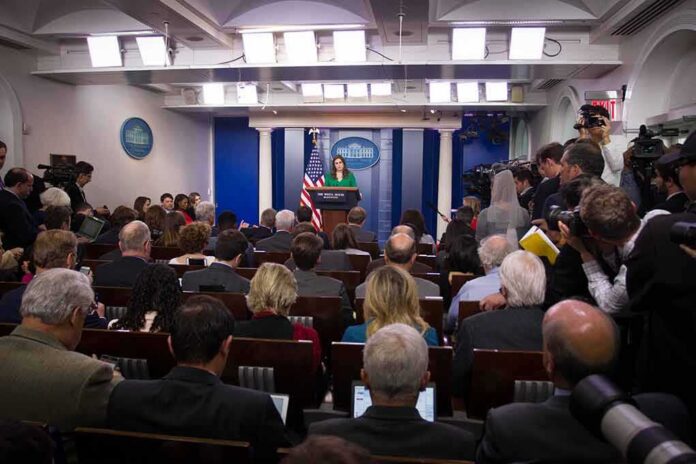
During a press conference announcing a new program to encourage citizens to report government fraud, President Trump had a tense exchange with members of the media.
The Independent’s White House correspondent Andrew Feinberg questioned Trump about the new Fraud Whistleblower… pic.twitter.com/xzTMzJZgjR— Straight Arrow (@StraightArrow__) October 21, 2026
The clash with reporters reflected a larger tension: press wants granular rules now; the White House wants to sell outcomes and momentum. High-energy exchanges often pop when policy and process collide. The audience at home does not need the footnotes; they need proof the plan works. Yet process builds the trust that buys patience. The smart path is both. Post the rules, publish quarterly results, and let the scoreboard do the talking. That is how you turn heat into durable buy-in.
What the event means beyond the room
The administration aimed at a simple, popular theme: stop fraud, pay citizens who help, and return money to the public. That plays across parties when the numbers add up. The test now is execution. The program must attract real leads, filter out junk, and move cases to action. The government then needs to pay winners fast and show taxpayers the net gain. If those pieces click, the noise of a tense exchange will fade behind a stack of closed cases.
Reporters will keep pressing on the details, as they should. The White House will point to arrests, clawbacks, and checks sent to tipsters. Voters, especially older homeowners and small business owners, will judge by results they can see. The path to broad support is not a perfect briefing. It is a steady drumbeat of wins, clean books, and a clear set of rules that stay the same for everyone. That is common sense, and it is achievable with tight oversight.
Sources:
youtube.com, dnj.com, fortune.com, yahoo.com
© ournationnews.com 2026. All rights reserved.