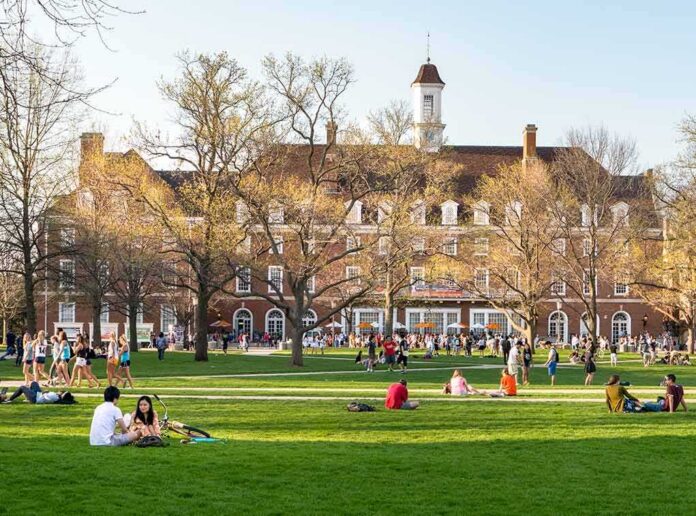
Hundreds of Cornell students filled the campus core because a Jane Doe lawsuit forced a reopened criminal probe and exposed gaps they say the university failed to close.
Story Snapshot
- A 2026 civil lawsuit names Cornell, Chi Phi, and seven men over a 2024 assault allegation.
- The Tompkins County district attorney reopened the criminal investigation.
- Students staged large protests, calling Cornell’s response inadequate.
- Cornell says it investigated, held hearings, and issued expulsions and suspensions.
A Campus Boils After a Lawsuit Lights the Fuse
Jane Doe filed a civil suit in September 2026 that named Cornell University, the Chi Phi fraternity, and seven alleged perpetrators. The filing described a 2024 night at the Chi Phi house and alleged coerced drug use followed by a gang rape. Newsrooms documented the suit and the defendants named, making the dispute impossible to ignore on campus and across New York. The case moved from whispers to loudspeakers when students saw the lawsuit’s scope and the stakes for their school.
Protesters answered fast. Student coalitions organized rallies on Ho Plaza and beyond. Speakers demanded expulsions or degree revocations for all involved, outside investigators, and survivor-centered reforms. The message was blunt: the process felt too slow and the penalties too soft. Hundreds gathered with signs, chants, and a list of policy changes. Organizers pushed for mandatory training, trauma-informed practices, and an independent system to reduce administrative influence over outcomes.
Prosecutors Reopen the Case, Raising the Stakes
The Tompkins County district attorney announced a reopened criminal investigation days after the suit. Cornell backed the move and said the accuser’s account should reach a grand jury. That decision signaled that the matter was not over in the eyes of law enforcement. It also put pressure on everyone: students, administrators, and the accused. A reopened probe can confirm facts, test witness accounts, and force a clear timeline of who knew what, and when.
Reopening a case changes campus politics. It narrows the debate from general anger to specific evidence. If prosecutors gather digital records and full statements, as news outlets suggest may be in play, they can resolve claims that campus processes left key leads underused. A criminal file, unlike campus discipline, carries subpoena power and a higher proof bar. That mix often brings clarity—and sometimes harsh surprises for both sides.
Cornell’s Defense: We Investigated, Heard Evidence, Sanctioned
Cornell responded with formal statements laying out its steps. The university said its Office of Civil Rights and Office of Student Conduct and Community Standards investigated the allegations for months. It said a trained panel heard evidence over multiple days, then imposed sanctions that included expulsions and suspensions. The school also said the Chi Phi chapter was closed in 2024 and remains barred. Administrators framed these actions as serious and consistent with policy.
Reporters, citing sources with access to outcomes, described two expulsions, two suspensions, a post-graduation campus ban, and lesser sanctions for others. Those details gave protesters a focal point: if the assault was as grave as alleged, why did some accused students receive lighter penalties? That is the heart of the campus debate. The facts show Cornell acted; the argument is whether it acted enough, fast enough, and with the right tools for a case of this magnitude.
Why Students Are Still in the Streets
Student leaders say process tone and transparency matter as much as punishments. They called for outsider oversight because trust in internal systems is low. A university can say it followed policy and still miss the mark with its community. When faculty float no-confidence talk and the attorney general’s office takes interest, the issue crests beyond campus norms and becomes a public accountability test. Institutions earn trust by showing work, not just citing rules.
Protests are ongoing at Cornell University, as students express dissatisfaction with how the institution handled a sexual assault case involving the Chi Phi fraternity. https://t.co/LSIEvmV4zJ
— NewsRadio WHAM 1180 (@WHAM1180) October 6, 2026
Some protests crossed a line with vandalism. Broken windows and spray paint hand easy talking points to critics and risk drowning out survivor-focused claims. Conservatives and many moderates will say that justice needs proof, order, and due process, not smashed glass. That view does not deny the seriousness of the allegation. It insists that real reform rests on facts, clear procedures, and penalties that fit proven conduct—not on chaos in the quad.
What Will Actually Resolve This
Three steps can settle doubts. First, a thorough criminal review should gather phone data, messages, and full witness statements. Second, the independent outside review Cornell welcomed must release findings with dates, evidence chains, and rationale for sanctions. Third, the university should publish aggregate discipline data so the community can see if this case was ordinary or exceptional. Sunlight does not pick sides; it shows the field and lets facts lead.
Sources:
washingtontimes.com, usatoday.com, cnn.com, today.com, nbcnews.com, ithacavoice.org, cornellsun.com, statements.cornell.edu, npr.org, nytimes.com
© ournationnews.com 2026. All rights reserved.