
Ten days after the Himalayan floods, rescuers reached two trapped people and pulled them out alive.
Story Snapshot
- Rescuers freed a Chinese national from a debris-choked hydropower tunnel in Nepal’s Rasuwa district.
- A Nepali woman was also found alive, renewing hope across the disaster zone.
- Joint teams from the Nepal Army and international experts led complex tunnel operations.
- Thousands remain missing as search efforts race against time and terrain.
Two Lives Found In The Rubble, Ten Days On
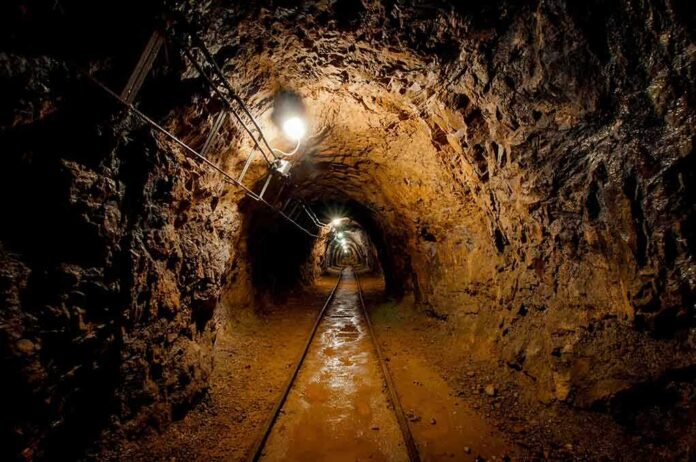
Nepal Army personnel and foreign specialists reached 225 meters inside the Upper Trishuli-1 hydropower tunnel and brought out a Chinese worker alive. The operation took place on September 5 in Rasuwa district, where mud and rock had sealed key access points after the flash floods. The Prime Minister’s Office later confirmed another survivor, a Nepali woman, was also rescued, lifting the total number of tunnel survivors to three at that site. These wins steadied exhausted crews and families who had waited in fear.
Rescue leaders focused on airlifts and ground penetrations where signs of life persisted. Teams cut through compacted silt, timber, and steel reinforcement twisted by the water’s force. Medics staged in nearby clearings to treat hypothermia, dehydration, and crush injuries. Coordinators rotated crews to keep momentum during aftershocks and rain bursts that raised the risk of fresh slides. Drone pilots scanned slopes for heat signatures, while engineers shored up ad hoc shafts to prevent secondary collapses in the tunnel network.
What Made These Rescues Possible
Commanders paired local knowledge with targeted foreign technical help. Tunnel rescues needed specialized equipment, ventilation, and geotechnical readouts that Nepal requested from partner nations earlier in the week. Crews mapped voids, listened for tapping, and pushed air and light through narrow breaches. The mix of grit and method mattered: one misread vibration or overcut could flood a pocket where survivors clung to a few feet of air. The playbook was speed with restraint, and it paid off here, if not everywhere.
Hydropower sites became epicenters for both tragedy and rescue. Many workers were on shift when the flood hit, concentrating casualties inside tunnels and galleries. Officials reported hundreds of hydropower workers rescued in the broader region as joint teams from Nepal, India, and China fanned out to the worst-hit valleys. The Upper Trishuli corridor drew special attention due to access roads, nearby staging grounds, and the chance of survivable voids behind jammed gates and sediment plugs.
The Scale Of Loss, And The Race That Remains
Authorities continued to update the toll as crews reached new areas. Confirmed deaths rose above one thousand, with about four thousand people still missing across the border region. Hundreds of those missing were foreign nationals, reflecting the mix of tourists and infrastructure workers spread along river towns and project sites. Each day without contact dims odds, but the two rescues after ten days show what sealed pockets and smart tactics can still deliver. Families needed that signal.
A Chinese national has been rescued alive from a hydropower tunnel in Nepal 10 days after a devastating flash flood swept through a Himalayan valley.
Nepali authorities said Lu Haitao was pulled from a 225-metre tunnel at the Upper Trishuli-1 Hydropower Project on September 5.… pic.twitter.com/07EGyS1zn2
— APT News (@APT__News) September 5, 2026
Leaders warned that danger was not over. Two upstream barrier lakes and unstable slopes continued to threaten fresh outbursts, which could cut roads again and endanger forward bases. Planners balanced urgency with prudence, pulling teams back when sensors spiked or when rain bands built over the headwaters. Relief groups pressed food, tarps, and fuel forward as windows opened. The mission now splits: keep digging where voices and data say “go,” while hardening supply lines for a long recovery.
Lessons That Cut Through The Noise
This flood followed a now-familiar chain: a high mountain ice and rock collapse, a sudden dam and burst, then a wall of water slamming into narrow valleys. Satellite and field evidence support that sequence, which explains the speed and the heavy debris load that buried structures and tunnels so deeply. Early warning tools built for gradual river rise struggle with these avalanches of rock, ice, and mud. The fix is not theory; it is better sensors upstream and faster ways to tell people to move.
Policy makers should lock three truths into the rebuild plan. First, place and protect lifelines like power tunnels and access roads as if another surge is coming, because it is. Second, train and equip cross-border rescue teams to the same standards so they can plug in fast when minutes decide outcomes. Third, respect the dignity of workers and families by sharing clear numbers and steady updates, not spin. That is common sense, and it matches the values of accountability and stewardship that Americans expect from any serious response.
Sources:
aljazeera.com, reuters.com, cbsnews.com, theguardian.com, english.nepalnews.com
© ournationnews.com 2026. All rights reserved.