A single late-night punchline at the Grammys triggered a presidential-style counterpunch that may end up testing what “comedy” can safely say on live TV.
Story Snapshot
- Trevor Noah’s Grammy joke tied Donald Trump, Jeffrey Epstein, and Bill Clinton into one line delivered minutes after a major award win.
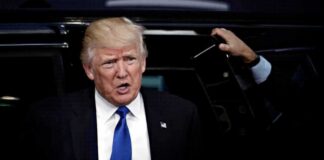
- Donald Trump fired back on Truth Social, calling the broadcast “unwatchable,” insulting Noah, denying any Epstein island connection, and floating a lawsuit threat.
- The moment illustrates how awards shows now function like political arenas, where jokes double as cultural signals.
- No lawsuit had been filed as of the immediate aftermath, but the threat alone can change how networks and hosts manage risk.
The Joke That Turned a Music Night Into a Legal Threat
Trevor Noah’s final run as Grammys host at the 68th awards in Los Angeles carried the usual assignment: keep the room moving, keep the viewers from channel surfing, and take a few safe shots at public figures. Then came the sharp turn. After Billie Eilish won Song of the Year, Noah delivered a line that referenced Trump wanting Greenland and then suggested that, since Epstein is gone, Trump needs a new island to “hang out with Bill Clinton.”
The crowd response reportedly mixed gasps and laughter, the kind of reaction producers both fear and secretly crave because it reads as “moment.” Within hours, Trump responded publicly, blasting the Grammys, the network, and Noah personally. He rejected any Epstein-island link, insisted no one had ever accused him of what the joke implied, and warned that Noah needed to “get facts right” or face a lawsuit. That escalation turned a comedian’s throwaway line into a headline with legal teeth.
Why This Hit Trump’s Most Sensitive Nerve
Epstein references land differently than normal celebrity roasting because they touch a live wire: reputational ruin without a courtroom verdict. Conservative common sense usually separates two things: proven facts and insinuations. Jokes often blur that line on purpose for shock value, but the audience at home doesn’t pause to litigate context. Trump’s anger makes strategic sense in that environment, because even a comedic implication can harden into “everybody knows” gossip if it goes unanswered quickly.
Noah’s style has leaned sharp for years, but Grammys hosting typically rewards broad humor and quick pacing, not political dossier jokes. This year’s show already carried political spice: Noah reportedly opened with jabs connected to Nicki Minaj’s recent Trump-friendly visibility, including references tied to her attendance at a White House or Treasury-related event and a “Trump Gold Card” riff. When the Epstein line landed later, it didn’t feel like a one-off; it felt like a theme, which invites a harder rebuttal.
The Nicki Minaj Factor: When Celebrity Feuds Become Fuel
Nicki Minaj’s role matters because she functions like an accelerant: a megaphone with an army. Reports described her posting aggressively on X after the broadcast, turning the controversy into a multi-front fight involving Noah, other celebrities, and broader political grievances. She has also divided her own fan base with her Trump alignment, especially as she carried a long stretch of Grammy nominations without wins. That tension makes the Grammys an easy target for claims of bias or cultural gatekeeping.
Networks and producers dread that kind of crossfire because it spreads faster than any official statement. A host makes a joke, a politician responds, and a high-engagement artist amplifies it into an identity argument: who gets mocked, who gets protected, and who gets to define “truth.” Viewers over 40 have seen this movie before, but social media turns the pacing brutal. By breakfast, the story becomes less about music and more about who “crossed the line.”
Defamation Reality Check: A Threat Is Not a Case
Trump’s posturing about suing Noah and possibly CBS fits a long-running American pattern: public figures using legal threats to signal strength, discipline narratives, and warn future critics. Whether a case succeeds depends on specifics: what exactly was said, whether it asserted facts or obvious satire, and whether a public figure can show actual malice standards in U.S. law. Comedy gets leeway, but leeway isn’t immunity if a joke reads like a factual allegation to ordinary viewers.
Conservatives tend to demand standards that apply evenly: if a claim would be considered damaging if aimed at a private citizen, the speaker should at least treat the subject with factual care. Noah’s defenders can argue the line was plainly comedic. Trump’s defenders can argue the “island” insinuation drifts from joke into smear because Epstein associations carry unique stigma. Both arguments exist; the practical impact is that the threat alone makes future scripts more cautious.
What This Moment Signals About the Grammys and the Culture War Economy
The Grammys used to be about performances, speeches, and fashion misses. Now the show competes with a fragmented media world where controversy drives attention better than awards do. That incentive structure tempts hosts to deliver jokes engineered for clips, not rooms. Trump’s response adds another layer: the presidency or near-presidency aura turns entertainment into a political battleground, and every punchline becomes a referendum on media fairness. The winners can get overshadowed by a single viral quarrel.
No lawsuit had been filed in the immediate aftermath described in reporting, but the story already delivered its real consequence: it reminded every broadcaster, comedian, and public figure that American culture now argues in soundbites, not footnotes. If you value free expression, you should want jokes to be allowed. If you value basic fairness, you should also want jokes—especially those involving Epstein—to avoid laundering insinuation as entertainment. The next awards host will hear that warning loud and clear.
Sources:
Get facts right! Trump explodes after Trevor Noah’s Epstein joke at the Grammys
Nicki Minaj at Grammys, Trevor Noah, Trump