
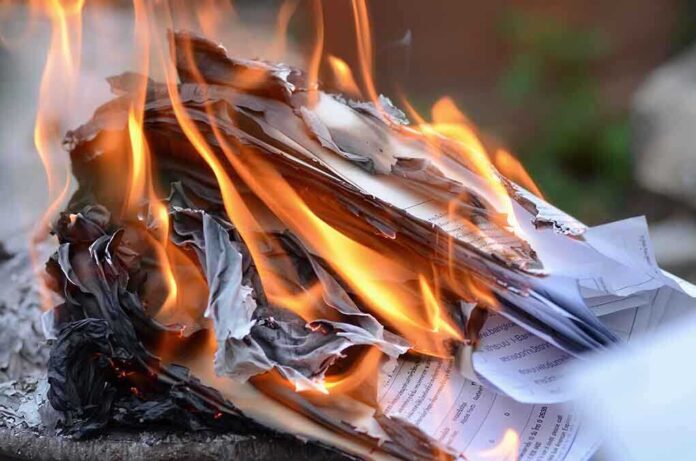
Chicago’s homeowners, fed up with skyrocketing property taxes and opaque local policies, ignited a property tax bonfire protest that is now sparking calls for sweeping reform—and renewed scrutiny on government overreach and fiscal mismanagement.
Story Snapshot
- Lawndale residents burned tax bills to protest steep property tax hikes and demand transparency from Chicago officials.
- Community leaders and elected officials directly engaged at the event, highlighting demands for tax caps similar to California’s Prop 13.
- Cook County Treasurer announced new flexible payment plans in response to mounting public pressure.
- The protest draws attention to broader issues of gentrification, divestment, and the impact of government tax policy on working families.
Homeowners Launch Bonfire Protest Against Property Tax Hikes
On November 15, 2025, frustrated Chicago homeowners assembled at Harmony Community Church in Lawndale, lighting up property tax bills as a dramatic symbol of collective outrage. The event, modeled after the Boston Tea Party, showcased deep dissatisfaction with sudden, significant increases in property tax bills—some up by nearly $1,000 compared to the previous year. Residents voiced their grievances directly to local officials, demanding clarity on how tax dollars are spent and calling for policies to curb fiscal excess that pushes working families to the brink.
Community leaders, including Dr. Richard Townsell and the Lawndale Christian Development Corporation, spearheaded the protest, emphasizing that the solution must come from grassroots activism, not just politicians. Homeowners shared personal stories of financial hardship, highlighting the disconnect between rising taxes and the lack of tangible reinvestment in their neighborhoods. The bonfire protest received significant media attention, amplifying calls for policy change and shining a spotlight on the intersection of gentrification, community divestment, and tax policy. Lawndale, a historically underinvested, predominantly Black neighborhood, has become a focal point in the fight for transparency and fairness in local taxation.
Calls for Tax Caps and Legislative Reform Gain Momentum
Protesters and community advocates urged officials to consider adopting policy reforms modeled after California’s Prop 13, which caps property taxes and limits annual increases. Such measures would provide needed relief and predictability for homeowners, who currently face uncertainty due to opaque assessment practices and the expansion of Tax Increment Financing (TIF) districts that often divert tax revenue with little oversight. State Rep. Yolanda Morris, State Senator Lesha Collins, and County Commissioner Michael Scott Jr. attended the protest, signaling growing political will to address these concerns. The debate now centers on balancing necessary funding for schools and services with the imperative to prevent displacement and sustain homeownership in vulnerable communities.
Cook County Treasurer Maria Pappas responded to the community’s pressure by announcing new payment plan options, allowing up to thirteen months for homeowners to pay their tax bills. While this move offers temporary relief, residents emphasized that flexibility alone does not resolve the underlying issues of fairness and transparency. Pappas clarified that bills need not be paid in full by December 15th, and payment plans can be accessed online—a step toward mitigating immediate threats of foreclosure but not a substitute for comprehensive reform. The event and subsequent administrative response mark a shift toward increased accountability and direct engagement between citizens and officials.
Impact on Neighborhoods and Broader Implications
The immediate effect of the bonfire protest has been heightened public awareness and intensified scrutiny of local tax policy, especially regarding the role of TIF districts and assessment disparities. Lawndale’s experience is emblematic of broader trends in Chicago, where property tax hikes risk displacing long-term residents and chilling homeownership. Working-class families and minority communities bear the brunt of these burdens, fueling activism and demands for legislative change. In the longer term, successful advocacy for tax caps could stabilize housing markets and foster neighborhood investment, but policymakers face complex trade-offs in funding essential services.
Experts and community leaders liken the bonfire protest to a pivotal moment for grassroots action, reminiscent of historic American resistance to unjust taxation. Academic and professional commentary underscores the urgent need for transparent, equitable tax assessment practices and cautions against unchecked government overreach. While some officials argue that higher taxes are necessary for public investment, many residents remain unconvinced, pointing to a lack of visible improvements in their communities. The ongoing dialogue between citizens, officials, and activists signals a critical juncture for Chicago’s approach to property taxation, with potential ripple effects for municipal finance and neighborhood stability.
Sources: