
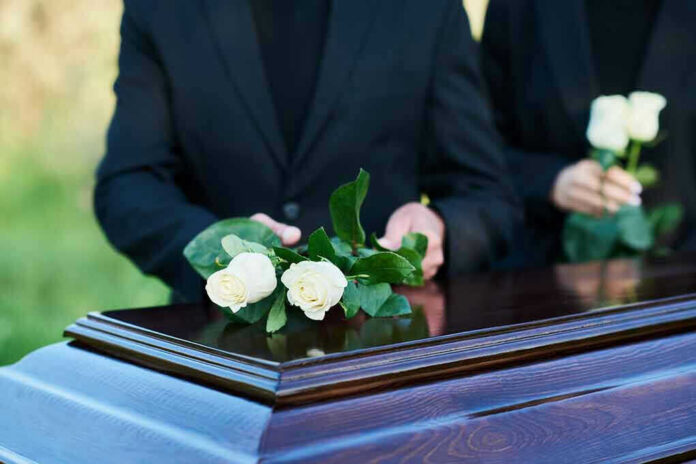
A viral TikTok video captured the final moments of a 22-year-old woman’s life as she twerked on top of a speeding Jeep in Cancun, a split-second decision that transformed a Spring Break party into a fatal tragedy witnessed by millions online.
Story Snapshot
- Karli Timmons, a 22-year-old Florida woman with 50,000 TikTok followers, died after being thrown from a moving Jeep while filming content during Spring Break in Cancun on March 15, 2025
- The crash video went viral with over 15 million views, sparking TikTok to ban “roof twerk” challenges and remove 2 million related videos by March 2026
- No criminal charges were filed against the intoxicated driver who had a blood alcohol content of 0.18 percent, though Timmons’ family launched a $5 million wrongful death lawsuit
- The incident caused Cancun Spring Break bookings to drop 20 percent and cost Quintana Roo an estimated $50 million in lost tourism revenue
When Virality Meets Mortality on Boulevard Kukulcan
The evening of March 15, 2025, started like countless other Spring Break nights in Cancun’s Hotel Zone. Karli Timmons and her group departed Mandala Beach Club around 10 PM, packed into a Jeep Wrangler after hours of foam parties and heavy drinking. What happened next unfolded with horrifying speed. Timmons climbed onto the roof to film content for her TikTok audience, twerking as the vehicle accelerated down Boulevard Kukulcan. At approximately 10:15 PM, the driver lost control. Timmons was ejected 20 feet from the vehicle, suffering catastrophic head trauma and internal injuries. She died at 1:47 AM at Amerimed Hospital Cancun.
The driver, an unidentified 24-year-old American male, recorded a blood alcohol content of 0.18 percent, more than twice the legal limit in most U.S. states. Four other passengers sustained minor injuries. The video Timmons created in her final moments surfaced on TikTok the next day, spreading across platforms with frightening velocity. Unlike similar incidents that fade into obscurity, this tragedy played out in full view of a global audience hungry for shocking content. The National Highway Traffic Safety Administration data reveals rooftop ejections carry an 85 percent fatality rate, a statistic that climbs exponentially when alcohol enters the equation.
The Liability Vacuum in Paradise
Mexican authorities classified the crash as an accident with stunning speed, closing the investigation without filing criminal charges. This outcome reflects a pattern in tourist-heavy regions where economic interests often overshadow justice. Quintana Roo brings in over $1 billion annually from Spring Break visitors alone, creating powerful incentives to minimize negative publicity. The Quintana Roo Police and Tourism Ministry issued statements framing the incident as isolated, launching perfunctory safety campaigns while the resort quietly settled with witnesses to avoid litigation. Dr. Sarah Kline, a tourism safety expert at NYU, didn’t mince words in her CNN interview, noting the incident exploits weak Mexican liability laws while social media normalizes reckless behavior.
The Timmons family refused to accept this convenient conclusion. In January 2026, they filed a $5 million wrongful death lawsuit against Hertz Mexico in Florida court, alleging faulty brakes contributed to the crash. The driver testified remotely in February 2026, confirming his intoxication but maintaining no criminal intent existed. Mandala Beach Club, which provided the transport, implemented a “no roof riding” policy only after the tragedy made international headlines. The civil suit continues as of March 2026, with discovery likely to expose uncomfortable truths about vehicle maintenance and resort liability waivers that tourists sign without reading.
Social Media Reckoning and Platform Accountability
TikTok’s response evolved from reactive to restrictive over the year following Timmons’ death. The platform initially demonetized the viral crash video but left it accessible, allowing the view count to soar past 15 million. Content moderators faced an impossible task: the footage violated community guidelines yet documented a newsworthy event. By March 2026, TikTok banned all “roof twerk” challenges outright, scrubbing 2 million related videos in a sweeping content purge detailed in their Q1 2026 transparency report. The move represented a significant policy shift for a platform historically reluctant to limit viral trends unless facing regulatory pressure or advertiser boycotts.
Dr. Mia Reyes, an influencer psychologist quoted in Forbes, explained how virality dopamine overrides sound judgment, creating a psychological feedback loop that demands platform intervention. The algorithm that pushed Timmons’ content to millions operates on engagement metrics, not safety considerations. When risky behavior generates views, creators receive powerful reinforcement to escalate. The broader influencer community responded with a measurable 15 percent drop in dangerous stunt content, though skeptics question whether this represents genuine change or temporary self-censorship. Spring Break crowds now face heightened patrols, yet enforcement remains inconsistent across jurisdictions more concerned with tourism dollars than tourist safety.
The Economic and Cultural Aftershocks
Cancun’s tourism industry absorbed immediate damage as Spring Break bookings plummeted 20 percent in March 2025. STR Global hotel data documented losses approaching $50 million for Quintana Roo, forcing rental companies to add costly insurance riders and resorts to reconsider their party-centric marketing. Florida Governor Ron DeSantis called for updated U.S. State Department travel advisories for Mexico, framing the issue around American safety abroad. The political friction this created between Mexican tourism officials and U.S. authorities highlighted competing interests: Mexico needs American tourist revenue while American families demand accountability when their children die on foreign soil. Travel insurance claims spiked 12 percent industry-wide as parents sought protection for Spring Break trips.
WILD SPRING BREAK TRAGEDY: 22-Year-Old Partygoer Who Went Viral Twerking on Moving SUV KILLED After Being Flung from Jeep in Drunken Crash https://t.co/K7thggw5iO #gatewaypundit via @gatewaypundit
— Thomas Register (@Gregister) March 27, 2026
The cultural conversation shifted dramatically around party culture and personal responsibility. The hashtag SpringBreakSafety generated 500,000 social media posts, with perspectives split along predictable ideological lines. Progressive voices emphasized how capitalism and exploitative tourism industries create dangerous environments, while conservative commentators stressed individual choice and consequences. A local Cancun tour operator interviewed by the Cancun Sun captured this tension perfectly, stating tourists routinely ignore warnings and personal responsibility must factor into any honest assessment. The Timmons family raised over $200,000 through GoFundMe, funds designated for legal costs and awareness campaigns. Their Instagram statement from February 2026 framed their daughter as “full of life” while demanding resorts be held accountable, a message that resonates regardless of political affiliation.
Sources:
Daily Mail coverage of the Cancun Spring Break tragedy
El Universal Mexico police report on the incident
GoFundMe page for Karli Timmons family support
Fox News update on wrongful death lawsuit
TikTok Q1 2026 transparency report on content removal
CNN interview with Dr. Sarah Kline on tourism safety
Forbes article on influencer psychology by Dr. Mia Reyes















![🇺🇸 First Lady Melania Trump Unveils New Fostering the Future & IndyCar Scholarships [LIVE]](https://ournationnews.com/wp-content/uploads/sites/26/2026/08/maxresdefault-43-100x70.jpg "Melania Speaks Out Amid Trump Aide Rumors")