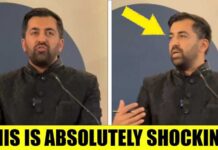
A knife-wielding man barricaded himself inside a Brooklyn hospital room with hostages, and when NYC’s Democratic Socialist mayor spoke afterward, his focus wasn’t on the officers who risked their lives but on reimagining how the city handles such crises.
Story Snapshot
- NYPD officers fatally shot a knife-wielding suspect inside NewYork-Presbyterian Brooklyn Methodist Hospital after Tasers failed and he advanced on them
- Mayor Zohran Mamdani called the incident “devastating” and emphasized collaboration on “genuine public safety” rather than traditional law enforcement responses
- The response reflects Mamdani’s broader push for mental health interventions over prosecution-focused policing, sparking debate amid rising officer safety concerns
- Critics point to NYPD retention crises and Mamdani’s appointment of a professor who advocates “ending policing” to a community safety role
- The suspect, who showed signs of mental distress by cutting himself, died at the scene after threatening an elderly patient and security guard
When Mental Health Ideology Meets Lethal Reality
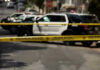
Multiple 911 calls flooded dispatch around 5:27 p.m. on a Thursday evening. Inside NewYork-Presbyterian Brooklyn Methodist Hospital, a man wielding a knife had barricaded himself in a room with an elderly patient and a security guard. Blood smeared the door and walls. Officers arrived to find the suspect threatening staff, having already cut himself and attempting to slash others. Commands to drop the weapon went unheeded. Officers deployed Tasers multiple times without effect. When the man advanced toward them with the knife raised, they fired. He was pronounced dead shortly after.
Assistant Chief Charles Minch reminded reporters of the reality his officers face daily: these situations are incredibly dangerous, where split-second decisions determine who goes home alive. The suspect’s identity remained withheld pending investigation, but his actions suggested someone in profound psychological crisis. Yet the political response from City Hall focused less on the officers’ ordeal and more on systemic reimagining. Mayor Mamdani’s Friday statement termed the shooting “devastating” and pivoted to his ongoing work with NYPD Commissioner Jessica Tisch on what he called “genuine public safety” measures.
The Mayor Who Wants to Remake Policing
Zohran Mamdani’s ascent from Queens Assemblyman to mayor brought Democratic Socialist ideals into Gracie Mansion. His history includes vocal critiques of NYPD units, particularly the Strategic Response Group, which he once called on social media to disband over their handling of protests. Those posts, some up to five years old, resurfaced during his mayoral campaign and continue to fuel criticism from political rivals like former Mayor Eric Adams and public safety advocate Andrew Cuomo. They accuse Mamdani of harboring disdain for police and lacking a practical grasp of crime prevention.
Mamdani’s appointments signal his priorities. He placed a professor who wrote about “ending policing” into a community safety role, a move that stunned traditionalists. He’s expanded the Civilian Complaint Review Board and championed mental health crisis response over armed intervention. After Officer Didarul Islam was killed in a Park Avenue shooting alongside three others, Mamdani visited the family and attempted to nuance his position on the SRG, praising their tactical capabilities while maintaining his opposition to their use in protests. He explicitly rejected the “defund the police” label, insisting his vision embraces the NYPD within a reformed framework.
Officers Caught Between Violence and Politics
The hospital shooting unfolded against a backdrop of profound NYPD demoralization. Roughly 4,000 officers are currently eligible to leave the department, many citing anti-police sentiment and lack of political backing. The city faces what observers call a tipping point: repeat offenders cycling through a lenient justice system, brazen Soho looting sprees, viral videos of teens dumping water on uniformed cops, and constant phone harassment. Officers increasingly feel they’re asked to manage crises without the tools or support to succeed, then criticized when outcomes turn lethal.
The Brooklyn incident encapsulates this tension. Officers encountered a man whose self-harm and erratic threats pointed to mental illness. They attempted non-lethal force. When that failed and lives hung in the balance, they used their firearms. NYPD protocols were followed, yet the mayor’s response emphasized systemic change over acknowledging the impossible position his officers occupied. Former Mayor Adams warned that dismantling specialized units like the SRG creates vulnerabilities to terrorism and lone-wolf attacks, dangers that don’t pause for ideological experimentation. Cuomo echoed this, arguing Mamdani’s rhetoric emboldens criminals and demoralizes the rank-and-file.
The Cost of Ideological Policing
Hospital staff and patients experienced trauma that night. Brooklyn residents faced traffic disruptions and heightened police presence for hours. The suspect, whose name authorities have not released, is beyond prosecution or rehabilitation. His death underscores the limits of reform rhetoric when confronted with immediate violence. Mamdani’s emphasis on “genuine public safety” through mental health resources sounds compassionate in theory, but officers on scene didn’t have therapists available when the knife came at them. They had seconds to decide.
The long-term implications cut deeper. If officers believe their leadership prioritizes ideological purity over their safety, recruitment and retention will crater further. Specialized units may disband not through policy but attrition. Mental health crisis teams, underfunded and understaffed, will face calls they’re unprepared to handle alone. The hospital shooting offers a preview: good intentions meet bad outcomes when reality refuses to cooperate with theory. Mamdani’s challenge is reconciling his progressive vision with the chaotic, violent situations his officers confront daily. So far, his rhetoric suggests he’s more committed to the former than acknowledging the latter.
Sources:
Officer-involved shooting reported inside NYC hospital following knife incident
NYC Mayor’s Race: Zohran Mamdani NYPD NYC Office Shooting
Zohran Mamdani Professor Who Wrote About Ending Policing Appointed to Work on Community Safety