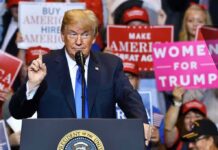

Trump’s name rang out so often in New York’s lone governor debate that it became the night’s scoreboard.
At a Glance
- Reporters counted at least 42 mentions of “Trump” in one hour.
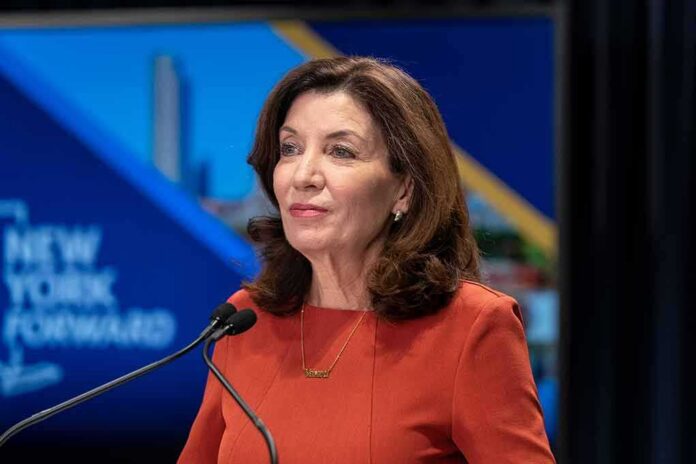
- Governor Kathy Hochul tied Bruce Blakeman to Trump on tariffs, immigration, and energy.
- Blakeman said Hochul pushed “Trump” to dodge her record on costs and crime.
- The debate mixed national policy with pocketbook pain for New Yorkers.
How Trump Took Center Stage By The Numbers
Fox 5’s post-debate tally pinned the number at a minimum of 42 Trump mentions in 60 minutes, a rate of almost one every 90 seconds. That count did not sort praise from attack. It did establish tempo. Viewers could not escape the name, and that was the point. Hochul worked to weld Blakeman to Trump’s brand. Blakeman worked to make the obsession itself the issue. Both saw benefit in the repetition, even as undecided voters just wanted answers on bills and safety.
Counting matters because repetition moves memory. Say a name enough, and it sticks. Hochul leaned on that. She also had factual threads to pull. She cited Blakeman’s praise for Trump and a recent rally where he told a crowd, “We love Donald Trump,” which debate coverage recorded her invoking on stage. The strategy tracked with common campaign playbooks: define your rival fast, then force him to defend the definition while precious minutes tick away.
Why Hochul Said “Trump” Again And Again
Hochul argued that Trump was not a sideshow but the policy frame. She tied Blakeman to Trump-era tariffs, which she said hurt prices and New York’s ties to Canada; to hard-line immigration, which she said would turn local cops into federal agents; and to energy fights she blamed for project delays in the state. She stressed that she changed state law to keep local police focused on local crime, not immigration enforcement. The case aimed to make national issues feel local and costly.
That linkage came with risks. Debate reports did not verify the causal weight of tariffs on grocery costs or how ending war with Iran would move gas prices, which left space for pushback. Reports also noted that Blakeman claimed differences with Trump on abortion and immigration, which undercut any claim of total policy overlap. Hochul’s bet relied on voters feeling the national-to-local pipeline, even without a spreadsheet of proof on every price swing.
How Blakeman Flipped The Count Into A Counterpunch
Blakeman met the barrage with a simple refrain: she talks about Trump because she cannot defend her record. He hammered home utility spikes, saying Trump did not raise rates forty-eight times or boost bills by fifty percent; he blamed Hochul for those hikes. He also said he is pro-choice and backs a guest worker program, presenting daylight with Trump on hot-button issues. The message was designed for independents who split tickets and want Albany focus over Washington drama.
🚨 BOOM! Trump-backed NY gubernatorial candidate Bruce Blakeman GOES AFTER Kathy Hochul in a fiery debate over ICE cooperation and criminal illegal immigrants! 🇺🇸🔥
Blakeman didn’t hold back:
🗣️ “He’s got pending charges for dealing drugs, poison to our children, and he’s a… pic.twitter.com/gzyKKIDZeG
— NanceMace (@Nancymace55) October 14, 2026
The 42-mention metric offered him a gift. Media framed Trump as the debate’s “main character,” which fed his distraction line while confirming Hochul’s central tactic. That dual edge is common in statewide races. Campaigns nationalize when it helps turnout and fundraising, but governors govern potholes, power lines, and police staffing. Voters who feel squeezed by taxes and utilities often punish whoever runs the state, not the White House, which makes over-nationalizing a gamble.
What The Trump Tally Really Tells New Yorkers
The count proves dominance, not correctness. Hochul used Trump to make federal policy feel kitchen-table close. Some links were grounded in ongoing fights over immigration and energy. Others lacked detailed proof on prices, which weakens the claim’s punch for data-minded voters. Blakeman’s response aligned with common-sense conservative priorities: talk taxes, crime, and delivering results where you actually have authority. That frame resonates when bills arrive every month.
The smart takeaway for voters is to separate signal from spectacle. Ask who can lower your bill next quarter, make your street safer this year, and keep projects moving without federal gridlock. Ask which promises rest on state power, not wishful thinking about Washington. If a candidate leans on “Trump” forty-two times, press for the line between rhetoric and the next bill you will pay. If a candidate hides behind “it’s Albany’s job,” press for proof he can get it done.
Sources:
twitchy.com, nytimes.com, fox5ny.com, politico.com, nydailynews.com, cbsnews.com, ny1.com, nbcnewyork.com, timesunion.com
© ournationnews.com 2026. All rights reserved.