
A credible online threat shut down parts of the Texas State Capitol, exposing deep divisions over legislative power and raising urgent questions about security, protest rights, and government overreach.
Story Snapshot
- Parts of the Texas State Capitol evacuated after an active shooter threat linked to a redistricting standoff.
- Rep. Nicole Collier and supporters refused to leave, intensifying political tensions and public demonstrations.
- DPS enforced evacuation and investigated the social media threat, with some protesters arrested for trespassing.
- The standoff highlights ongoing battles over legislative authority, law enforcement, and citizens’ rights.
Evacuation Triggered by Online Threat in Legislative Standoff
On August 19, 2025, the Texas Department of Public Safety evacuated portions of the State Capitol in Austin after a credible active shooter threat appeared on social media. The threat specifically targeted those preventing lawmakers from leaving the building, occurring in the midst of a 30-hour occupation of the House chamber by Rep. Nicole Collier and fellow Democrats. The evacuation was ordered around 6:30 p.m., prompting closure of the Capitol to visitors and shifting the focus of escalating protests outside the building. This incident underscores the vulnerability of public institutions to digital threats and the complex interplay between protest movements and government security protocols.
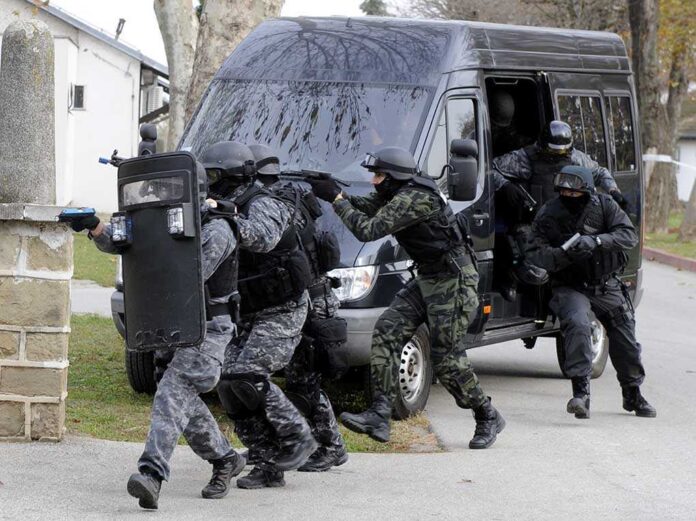
Law enforcement responded swiftly, with DPS leading the evacuation and launching an investigation into the unidentified suspect who posted the threat. Protesters supporting Rep. Collier moved their demonstration outside as instructed, but several were arrested after refusing to comply with troopers’ orders. The legislative standoff over redistricting not only disrupted proceedings but also amplified tensions between public safety and the right to protest. Notably, Rep. Collier remained inside the chamber, resisting DPS escort and signaling the intensity of partisan conflict surrounding the redistricting debate.
Redistricting Dispute and Escalating Political Polarization
The confrontation at the Capitol stemmed from long-standing disputes over redistricting, a process with far-reaching implications for political power in Texas. Democratic lawmakers, led by Collier, had broken quorum to block a vote on new district boundaries, defying a DPS policy requiring escort for members who refuse to attend sessions. The resulting standoff drew supporters to the Capitol, where heightened security measures and law enforcement involvement escalated into arrests. Events unfolded during a period of pronounced political polarization, with redistricting serving as a flashpoint for broader debates over representation, voting rights, and the balance of state power.
Protesters and lawmakers found themselves at odds with authorities, as DPS enforced strict protocols to maintain order and public safety. The use of law enforcement to compel legislative attendance and control public demonstrations reflects deeper tensions in state governance, raising concerns among conservatives about government overreach and the erosion of individual freedoms. Historical precedents exist for Capitol evacuations and legislative standoffs, but the direct connection between a security threat and a high-profile political dispute intensified scrutiny of law enforcement’s role and the limits of lawful protest.
Impacts on Security, Civil Liberties, and Political Dynamics
The immediate aftermath saw the Capitol closed for the remainder of the day and the legislative session scheduled to reconvene the following morning. DPS’s investigation into the threat remains ongoing, with no suspect identified as of the latest reports. Increased security presence and the arrest of demonstrators indicate a shift toward stricter enforcement, potentially chilling future public protests and deepening distrust between citizens and government officials. Lawmakers and their staff faced disruption, while local businesses and government operations were affected by the temporary closure.
Experts note this event as indicative of rising partisan divides and the weaponization of security threats in legislative battles. The intersection of public safety and the constitutional right to protest remains a core tension, with legal experts debating the appropriateness of DPS’s actions and the broader implications for legislative independence. While some view the evacuation as prudent, others warn that aggressive enforcement may suppress legitimate dissent and set troubling precedents for state responses to future crises. For conservatives, the episode reinforces concerns about unchecked government authority and the need to defend constitutional rights in the face of escalating political conflict.
Sources:
Texas Capitol shooting: Active shooter alert prompts evacuation, Austin police take action
Texas Capitol evacuated amid threats of an active shooter
Parts of Texas Capitol evacuated amid active shooter threat, protests moved outside
Active shooter threat prompts evacuation at Texas Capitol, Dem lawmakers remain inside
Texas Capitol evacuated amid active shooter threat, Rep. Collier remains inside