

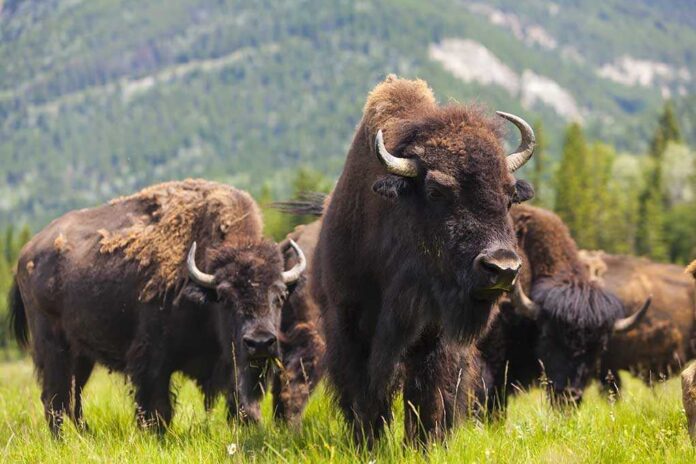
A viral Yellowstone video of a bison launching a man into the air is a shocking reminder that ignoring park rules turns American treasures into danger zones.
Story Snapshot
- Yellowstone requires visitors to stay at least 25 yards from bison, yet many still crowd wildlife and get hurt.
- Bison have injured more people in Yellowstone than any other animal, often when tourists seek selfies or viral videos.
- Park rangers are overwhelmed, issuing tens of thousands of warnings each year for people getting too close to animals.
- Conservatives who value personal responsibility see these incidents as proof that rules, not more federal power, protect lives and land.
Bison Attack Shows Why Yellowstone’s Distance Rules Matter
The recent clip of a Yellowstone bison sending a man flying with a headbutt fits a clear, long pattern. Visitors walk too close to huge wild animals, ignore posted limits, and then act surprised when nature strikes back. Yellowstone and the National Park Service say people must stay at least 25 yards away from bison and other large wildlife like elk and deer. That is about 75 feet, the length of two school buses, and it is the law, not a friendly suggestion.
These rules exist because bison are not farm cows; they are powerful animals that can run up to 35 miles per hour and pivot without warning. Yellowstone officials openly warn that bison are unpredictable and can outrun humans three times over. When a tourist walks closer for a photo or to impress followers online, he shrinks that safety buffer down to almost nothing. One strong charge or headbutt is enough to shatter bones, toss a grown adult, and turn what should be a peaceful visit into a helicopter evacuation.
Documented Injury Pattern: People Keep Ignoring Nature’s Warnings
Bison are the leading cause of human injuries in Yellowstone. They have hurt more park visitors on foot than bears or wolves over the last decades. A federal Centers for Disease Control study found most bison injuries happen when people approach the animal instead of staying back. Tourists often turn their backs to take selfies or walk within a few feet, even when the animal shows warning signs. Raised tails, pawing at the ground, and swinging heads are red flags that the bison is ready to charge if pushed.
Yellowstone’s own safety history backs this up. From the late 1970s through the early 1990s, the park averaged more than four bison-related incidents each year, including two deaths. After a spike of 33 injuries in the mid‑1980s, park leaders launched safety campaigns to teach visitors about distance and behavior around wildlife. Those efforts cut injuries, but the problem never fully went away. Social media adds fuel, rewarding dangerous stunts and close‑up videos. Clips like the recent headbutt go viral, but they often skip the real lesson: the rules work only when people obey them.
Rangers Struggle With Crowding, While Rules Protect Freedom and Wildlife
Yellowstone rangers are not sitting idle. In 2023 alone, park service staff issued more than 63,000 warnings for problems like getting too close to wildlife, trying to feed animals, or disturbing their natural behavior. That number shows both how hard rangers work and how many visitors push the limits. Park rules are simple: stay at least 100 yards from bears and wolves and at least 25 yards from all other animals. People are not allowed to feed wildlife or treat them like pets. These basic guardrails protect families while still letting Americans enjoy open land.
Man was "seriously injured" from the bison attack, which happened yesterday in Yellowstone:https://t.co/VxBl9fnfsg
— Steven Greenstreet (@MiddleOfMayhem) July 12, 2026
For conservatives, the lesson is plain. The danger at Yellowstone does not come from too little federal control; it comes from too little personal responsibility. The Trump administration backs strong enforcement of simple, clear rules instead of bloated new agencies. When tourists respect the 25‑yard rule, bison keep their space, people stay safe, and our national parks remain free and open instead of locked down after each viral accident. The real threat is a culture that chases clicks and ignores common sense, then demands more government when things go wrong.
Sources:
thegatewaypundit.com, nps.gov, discoverytreks.com, yellowstonesafari.com, facebook.com, stacks.cdc.gov, windriverbuffalo.org, cdc.gov
© ournationnews.com 2026. All rights reserved.