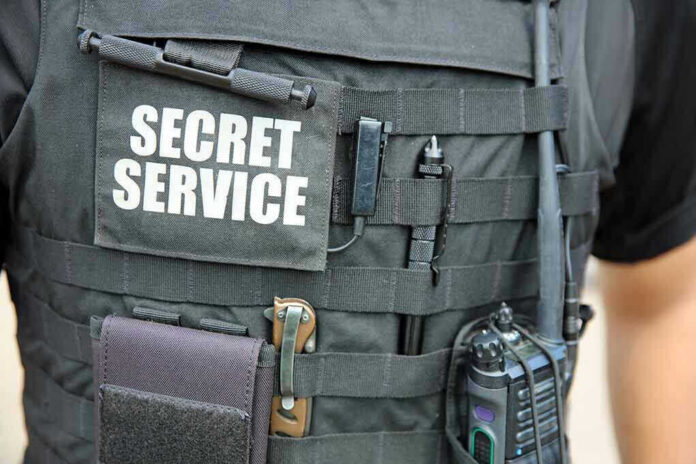
A U.S. Secret Service agent assigned to Jill Biden’s detail accidentally shot himself in the leg at Philadelphia International Airport, raising fresh questions about agency training and readiness in a post-presidency world.
Story Snapshot
- Agent suffered non-life-threatening injury from accidental discharge while escorting Jill Biden at PHL airport.
- Incident occurred during protective assignment; no threat to Biden or public reported.
- Secret Service launched internal investigation into weapon handling protocols.
- Event echoes 2024 scrutiny over resource allocation and operational lapses.
- Highlights ongoing challenges in elite security amid political transitions.
Incident Details at Philadelphia International Airport
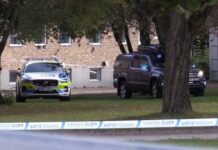
An agent on Jill Biden’s protective detail discharged his service weapon accidentally at Philadelphia International Airport. The self-inflicted leg wound happened during escort duties. Paramedics treated the agent on-site; he received hospital care for non-life-threatening injuries. Authorities confirmed no shots endangered Biden or bystanders. The airport resumed normal operations swiftly after the event.
Secret Service classified the mishap as a negligent discharge. Agents carry firearms under strict protocols, yet holstering errors occur. This case involved a standard protective assignment post-Biden’s presidency. Federal guidelines mandate immediate reporting and review. Investigators now probe training adherence and equipment factors.
Secret Service Protective Protocols Exposed
US Secret Service agents protect former first ladies under Title 18 U.S. Code § 3056. Jill Biden retains protectee status tied to presidential family ties. Duty stations include airports during travel. Weapons training emphasizes safe handling, but real-world stress tests limits. This incident underscores holster safety in dynamic environments.
Congressional hearings in 2024 questioned similar lapses after the Trump rally shooting in Butler, Pennsylvania. Lawmakers like Sen. Ted Cruz and Rep. William Timmons grilled then-Director Kimberly Cheatle on resource strains. She resigned amid fallout. Acting Director Ronald Rowe denied diversions to Biden events. Republicans viewed ballroom protections for Biden as overkill versus Trump’s outdoor rally risks.
Congressional Scrutiny and Political Fallout
On July 13, 2024, a shooter injured Donald Trump and killed attendee Corey Comperatore at the Butler rally. Hearings revealed debates over agent numbers: Biden’s 400-person venue versus Trump’s 20,000-crowd event. Cheatle testified Biden’s schedule faced no specific threats. Critics argued open-air rallies demand superior coverage. Facts support risk disparities, aligning with conservative calls for prioritized protection.
Cheatle’s testimony fueled accusations of Democratic favoritism. Agency refuted claims, citing standard footprints. Public outrage led to reforms. Timmons highlighted insufficient Trump resources compared to Biden’s indoor events. Common sense dictates scaling security to threat levels, not politics—a principle this airport incident now tests anew.
https://twitter.com/TheInsiderPaper/status/2037582806323466585
Impacts on Agency Reputation and Reforms
Short-term effects mirror 2024: internal probes and media glare damage trust. Long-term, expect tightened holster mandates and simulations. Trump supporters decry past negligence; this self-shooting revives doubts on competence. Political polarization deepens, with conservatives demanding accountability over elite protections. Broader VIP security protocols face review.
Stakeholders include Jill Biden as low-threat protectee, Secret Service under DHS oversight, and congressional watchdogs. Economic costs stay minimal, focused on investigations. Social ripples amplify distrust in federal agencies. Future elections heighten stakes for flawless execution.
Sources:
Secret service agent shoots himself