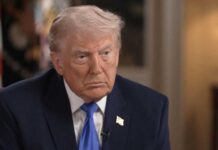
A historic mass extradition of cartel leaders to the U.S. marks a decisive Trump administration victory against organized crime, signaling a new era of cross-border law enforcement strength and constitutional resolve.
Story Snapshot
- Mexico extradites 26 top cartel leaders to U.S. custody in a sweeping agreement with the Trump administration.
- The unprecedented transfer follows President Trump’s designation of major cartels as foreign terrorist organizations.
- The U.S. agreed not to seek the death penalty, securing Mexican cooperation amid heightened pressure on border security.
- Trump administration officials and law enforcement tout the move as a major blow to criminal networks fueling violence and drug trafficking.
Trump Administration Secures Unprecedented Cartel Leader Extradition
On August 12, 2025, the United States received 26 high-ranking cartel figures in a coordinated extradition with Mexico, marking the largest such transfer in modern history. This operation, orchestrated by the Trump administration, included notorious individuals like Abigael González Valencia of the Los Cuinis cartel and Roberto Salazar, implicated in the 2008 killing of a Los Angeles County sheriff’s deputy. The agreement required significant diplomatic negotiation, with the U.S. Justice Department consenting not to pursue the death penalty to ensure Mexico’s legal cooperation.
President Trump’s policy shift in February 2025—designating CJNG, Sinaloa, and six other cartels as foreign terrorist organizations—created new legal and diplomatic leverage, compelling more robust action from Mexico. This move built on prior executive orders focused on border security and cartel dismantlement, reflecting an aggressive stance welcomed by Americans frustrated by years of unchecked criminal activity and porous southern borders. Mexican authorities, under international and domestic pressure, agreed to the transfer after assurances on due process and sentencing limitations.
Background: U.S.-Mexico Relations and Cartel Extraditions
The United States and Mexico have a long but often fraught history of cross-border law enforcement collaboration. Previous extraditions, such as that of Joaquín “El Chapo” Guzmán in 2017, were important but smaller in scale. The Trump administration’s prioritization of border security and its willingness to exert diplomatic pressure set the stage for this landmark operation. The designation of cartels as terrorist entities signaled a willingness to use all available legal tools, forcing the issue to the forefront of bilateral relations and raising the stakes for Mexican compliance.
This latest operation unfolded as both nations grappled with surging drug flows—especially fentanyl—into American communities. U.S. officials cited the need to protect American families from the violence and addiction fueled by cartel operations, while Mexican leaders sought to demonstrate commitment to rule of law and international cooperation. The deal’s scale and swiftness distinguish it from prior efforts, establishing a new precedent for holding transnational criminals accountable on American soil.
Current Status and Implications for U.S. Security
With the 26 cartel leaders now in U.S. custody, federal prosecutors are pursuing charges ranging from drug trafficking to murder and organized crime. Attorney General Pam Bondi emphasized that these individuals will face “severe consequences for their crimes against this country,” reinforcing the Trump administration’s law-and-order message. The operation immediately disrupts cartel leadership structures and sends a clear warning to criminal networks operating near or across the border.
In the short term, law enforcement agencies expect a destabilizing effect on cartel organizations, though experts caution that such actions may trigger internal power struggles or retaliatory violence. The move also strengthens U.S.-Mexico cooperation and bolsters the administration’s claims of restoring order and sovereignty. However, analysts warn that true victory over organized crime requires sustained pressure and comprehensive strategies, as cartels have shown resilience and adaptability even after high-profile arrests.
Operational Success and Ongoing Challenges
Industry and security experts widely regard the extradition as a significant operational achievement. By targeting cartel leadership and bringing suspects linked to violence against U.S. law enforcement to justice, the Trump administration underscores its commitment to constitutional order and community safety. While the immediate impact boosts morale among law enforcement and conservative Americans demanding action, the long-term outcome depends on continued vigilance and cross-border cooperation.
More winning.
Mexico to extradite 26 top cartel leaders to US in Trump administration deal https://t.co/x3YbQLiBb2
— MIRedState (@MIRedState) August 13, 2025
Some policymakers and analysts highlight that while leadership “decapitation” disrupts criminal organizations, it can sometimes result in fragmentation, with new leaders emerging or violence intensifying as factions vie for control. Nonetheless, the willingness to act forcefully, coupled with new legal tools and clear policy direction, marks a stark departure from previous periods of perceived inaction and signals to allies and adversaries alike that the U.S. will defend its borders and constitutional values with resolve.
Sources:
Mexico extradites 26 top cartel leaders to the U.S. under Trump administration deal (Fox News)
Mexico sends 26 cartel members to the U.S. in deal with Trump administration (CBS News)