
Southwest didn’t just change where you sit—it changed what kind of airline it is, and loyal flyers felt the loss immediately.
Story Snapshot
- Southwest rolled out assigned seating on January 27, 2026, ending a 50+ year open-seating identity.
- Early backlash centered on seat-number confusion, boarding friction, and fewer “just grab a better row” moments on lightly filled flights.
- Passengers complained about wrong-seat standoffs, fewer easy swaps, and rising costs tied to premium legroom options.
- Leadership acknowledged the blowback and promised refinements, not a return to open seating.
Assigned seating didn’t just reorder rows; it reordered expectations
Southwest built a cult following on a simple promise: show up, board in your group, pick your seat, get moving. That open-seating rhythm became a kind of folk religion for frequent flyers—imperfect, sometimes chaotic, but familiar and fast. When assigned seating began on January 27, 2026, the complaints didn’t sound like minor gripes. They read like customers discovering the airline they trusted had quietly joined the same fee-and-friction playbook as everyone else.
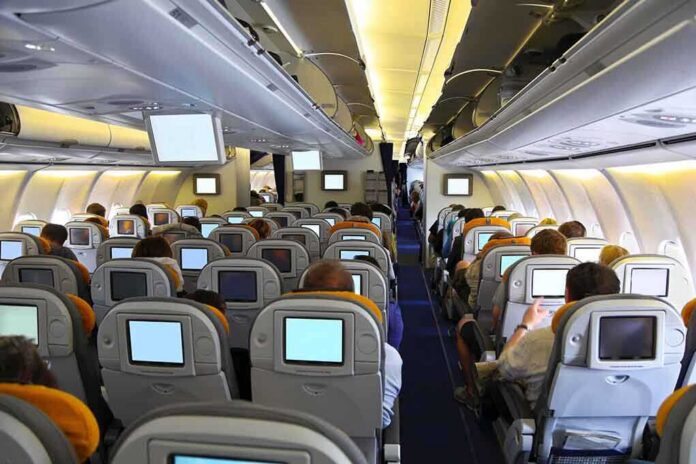
Passengers pointed to practical headaches first. Seat maps and seat numbers became a new cognitive tax for people who had flown Southwest for decades without caring about 14A versus 18C. Add families trying to sit together, travelers trying to avoid middle seats, and the occasional traveler sitting in the wrong assigned spot, and the cabin turns into a negotiation zone. Southwest employees and gate agents then inherit the mess: policing assignments while keeping boarding times from blowing up.
Open seating was never “random”; it was a working system with hidden benefits
Critics of open seating always described it as a cattle call, but longtime customers knew how to work it. Early boarders could secure aisle seats, parents could spread out when flights weren’t full, and solo travelers could choose to sit away from loud groups. Open seating also acted like a pressure valve: if a row looked cramped or a neighbor felt awkward, you could move without asking permission—socially and operationally, that mattered more than people admitted.
Assigned seating removes that valve. Passengers complaining online described an airline suddenly allergic to swaps even when logic says a swap should be harmless—like moving for extra space on underfilled flights. Some flyers also reported being told that weight and balance rules prevented changes, which may be valid in certain circumstances but lands poorly when it sounds like a convenient script. In plain terms, customers don’t mind rules; they mind rules that feel selectively enforced.
The real fight is over money, not seat numbers
Southwest’s new approach introduces premium options, including extra legroom, pushing the carrier deeper into the industry’s favorite revenue machine: charging for what used to be included. For passengers over 40 who remember when airfare was simpler, this feels less like modernization and more like nickel-and-diming with better marketing. From a conservative, common-sense standpoint, companies can charge what they want—but they shouldn’t pretend it’s “for your convenience” when the obvious driver is margin.
The timing matters. Airlines across the board chased ancillary fees for years, and Southwest resisted longer than most while leaning on free checked bags and open seating as brand proof. Post-2022 operational damage and rising competitive pressure created a financial incentive to monetize the cabin the way rivals do. Customers may accept change when it feels earned and competently executed. They revolt when it feels like they’re paying more to receive less flexibility than before.
Southwest’s response signals a repair job, not a retreat
By February 2026, Southwest leadership publicly leaned into the language of refinement: acknowledging feedback, promising tweaks, and presenting assigned seating as a work in progress rather than a mistake. The company outlined improvements such as assigned boarding groups, efforts to increase overhead bin access, faster deplaning, and loyalty-related sweeteners. The message between the lines sounded clear: the airline hears the outrage, but it plans to make the new system tolerable—not scrap it.
That approach can work, but only if passengers experience fewer “friction moments.” Travel expert commentary framed the worst backlash as a glitch problem—seat reassignments, inconsistent maps, and rollout hiccups—more than an inherent failure of assigned seating itself. That’s credible, because most carriers manage assigned seating without meltdown-level drama. The catch: Southwest trained its customer base for decades to expect simplicity. A complicated rollout hits harder when customers never wanted complexity.
What this change teaches about loyalty in 2026: it’s conditional and loud
Social media outrage can look like theater, but it also functions like a consumer early-warning system. When longtime customers say they’re switching after 10 or 15 years, that’s not just venting—it’s a signal that the airline’s differentiator collapsed. Southwest still has strengths: route networks, staff culture, and brand recognition. But the competitive moat was the feeling of being treated like a customer, not a walking bundle of add-on purchases.
Passengers rip airline for new seating policy: 'It is as bad as everyone is saying' – Fox News https://t.co/DAOp0ELY50
— Airline Gossip (@airlinegossip) March 6, 2026
Assigned seating may ultimately increase revenue and even reduce some boarding disputes once people adapt. The risk is that “adaptation” becomes code for passengers accepting a worse deal because every airline offers a worse deal. Southwest’s best path is brutally simple: make the seat assignment experience rock-solid, limit the squeeze on families and ordinary travelers, and avoid turning every inch of legroom into a toll road. Otherwise, the airline won’t just lose a policy—it will lose its personality.
Sources:
Passengers rip airline for new seating policy: ‘It is as bad as everyone is saying’
Southwest Updates New Seating Policy
Southwest Refining Assigned Seating Policy Following Customer Backlash
Southwest Airlines Rule Forces Complaining
Customer Uproar Has Southwest Rethink Assigned Seating (Changing?)