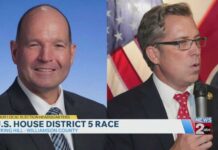
Royce White, a former NBA first-round draft pick, says he now identifies as transgender so he can enter the 2027 WNBA Draft.
Quick Take
- Royce White, drafted 16th overall by the Houston Rockets in 2012, announced he will declare for the 2027 WNBA Draft.
- White says he is “transgender” and a “sometimes identifying” woman for the purpose of playing professional basketball.
- He followed fellow former NBA player Enes Kanter Freedom, who made a nearly identical announcement hours earlier.
- Legal experts note the WNBA’s own labor agreement blocks biological males from entering the draft, regardless of self-identification.
A Former Rockets Draft Pick Makes His Move
Royce White spent parts of his career with the Houston Rockets after they picked him 16th overall in the 2012 NBA Draft. He never became a household name on the court. Now he is a Republican candidate for the United States Senate in Minnesota, and he just picked a new fight. He told Fox News Digital he plans to declare for the 2027 WNBA Draft.
White’s announcement came just hours after Enes Kanter Freedom, another former NBA player, said he would do the same thing. Both men frame their move as a direct challenge to the WNBA’s eligibility rules, which rely heavily on self-identification standards common across professional sports leagues wrestling with transgender participation policies.
White did not hide his intent. He told Fox News, “I’m transgender. I’m a woman. I identify as sometimes identifying as a woman for purpose of basketball, professional basketball, so I’ll be declaring for the WNBA draft in 2027 as well”. He later posted that his “wig is in the mail,” a line that quickly spread across sports social media.
What Actually Stands Between Him And The Court
White has said the only thing that could stop him is a “definitive statement” from the WNBA that biological males cannot play in the league. That statement may already exist in writing. Legal analysts point out the WNBA’s collective bargaining agreement restricts the draft to biological women, meaning the league does not need a new rule. It already has one.
That detail matters because it shows this isn’t really a legal gray area waiting to be tested in court. It’s a written policy being challenged in public, on camera, for maximum attention. White and Kanter Freedom both know the cameras are rolling, and both are using the moment to make a broader political point about fairness in women’s sports.
A Pattern Bigger Than One Draft Announcement
This isn’t the first time a public figure has used a loud, visible declaration to force a sports league to clarify its rules. Advocacy groups and political candidates on both sides have used similar tactics for years, betting that a viral moment moves a debate faster than a quiet policy memo ever could. White and Kanter Freedom appear to be running the same playbook, just with basketball as the stage.
Sports outlets covering the story have been blunt about the odds. Commentary from Fox News’ sports desk described the WNBA as having “limited options” once two former NBA players went public with matching claims, since silence risks looking like tacit approval while a formal rejection invites a media firestorm either way. The league has not issued a detailed public response confirming or denying either man’s eligibility.
Why This Resonates Beyond Basketball
Most Americans don’t follow WNBA draft rules closely, but this story taps into something bigger: whether policies built on self-identification can hold up once someone with size, strength, and a platform decides to test them publicly. Common sense says a 6-foot-8 former NBA athlete stepping onto a women’s professional court raises fairness questions that go far beyond one draft class or one candidate’s Senate campaign.
Royce White on his declaration for the WNBA draft. pic.twitter.com/zIde2zJtES
— JOKAMRREDPILLZ (@JOKAQARMY1) August 9, 2026
White’s Senate campaign in Minnesota gives this story extra weight. Whether voters see this as a serious eligibility challenge or a campaign stunt designed to grab headlines, it forces a real conversation the WNBA has mostly managed to avoid until now. Written rules only mean something if leagues are willing to enforce them out loud, not just in a contract nobody reads.
Sources:
twitchy.com, youtube.com, newsnationnow.com, instagram.com, x.com, facebook.com
© ournationnews.com 2026. All rights reserved.