
FAT Brands’ empire of burger joints and pizza chains crumbled under $1.45 billion in debt, exposing how reckless borrowing starved a business amid everyday inflation—what happens to your favorite casual eateries next?
Story Snapshot
- FAT Brands filed Chapter 11 bankruptcy on January 26, 2026, in Texas, with $1.3–1.45 billion debt from aggressive acquisitions.
- CEO Andrew Wiederhorn’s family received raises as cash dwindled to $2.1 million, shares crashed 87% to $0.39.
- Securitized debt from 2020–2021 buys like Twin Peaks and Johnny Rockets backfired with eight quarters of sales declines.
- Operations continue at 2,200+ locations worldwide; third such restaurant bankruptcy signals industry peril.
Acquisition Frenzy Fuels Debt Explosion
FAT Brands launched from Fatburger roots in California, snapping up 18 brands including Johnny Rockets, Round Table Pizza, Fazoli’s, Twin Peaks, Nestle Toll House Café, and Smokey Bones. Executives issued securitized debt in 2020–2021, using royalty-backed notes to fund Global Franchise Group and others. Management fees covered just 80% of costs even before inflation hit. This whole business securitization model promised growth but locked the company into mid-teens interest payments totaling $47.35 million annually.
Five subsidiaries like FAT Brands Royalty I and Twin Hospitality I hold $1.26 billion in notes. Debt structures isolate parent liability, yet $104 million unsecured obligations and $25 million tax debts piled on. Company diverted $8.6 million in unspent ad funds for liquidity. Trustee noted a “manager termination event” but took no action. Same-store sales dropped eight straight quarters across brands, four for Twin Peaks alone.
CEO Wiederhorn’s Legal and Leadership Shadow
Andrew Wiederhorn steered FAT Brands’ expansion while facing 2024 indictment for $47 million investor fraud. Prosecutors dropped charges in 2025 after a firing, but legal fees drained $85.5 million. Wiederhorn granted sons executive raises and bonuses pre-bankruptcy. Common sense questions family perks amid distress—facts show debt not parent-guaranteed, aligning with conservative fiscal caution over executive largesse. Nasdaq issued delisting notice January 8, 2026, for shares below $1.
Mid-November 2025, FAT Brands missed debt payments. Bondholders like Investor 352 Fund sued in January 2026, seeking over $109 million and triggering penalties. Florida boasted 40 new Fatburger sites even as liquidity evaporated. Wiederhorn called negotiations “painful and slow” at ICR Conference.
Bankruptcy Filing Details and Immediate Moves
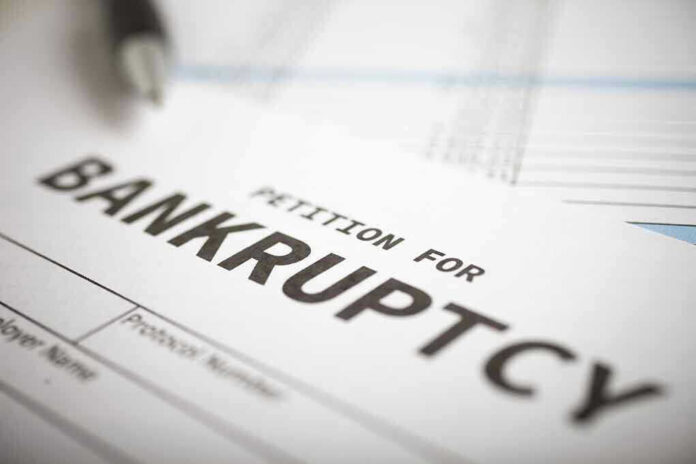
On January 26, 2026, FAT Brands and subsidiaries filed Chapter 11 in Texas. Unrestricted cash stood at $2.1 million on January 23. Shares traded at $0.39 pre-announcement, plunging further with a “Q” suffix signaling distress. Operations run normally; $400,000 secured for employee paychecks. Franchisees at over 2,200 locations face no disruption yet.
Huron Consulting’s John DiDonato became Chief Restructuring Officer to mediate with bondholders. Independent directors explore options. CEO Wiederhorn stated the filing positions the company for “sustainable growth” despite “difficult market conditions.” Spokesperson Erin Mandzik blamed growth debt hammered by inflation.
Industry Warnings from Securitization Pitfalls
This marks the third whole business securitization bankruptcy in two years, following TGI Fridays precedents. DiDonato explained securitizations “starved the business”—fees fell short pre-inflation, worsened by penalties since 2022 totaling $72 million. Restaurant Business highlighted failed bondholder talks and economic uncertainty derailing plans. Casual dining contracts as consumers shift amid inflation and demand drops.
Short-term, equity holders face wipeout, delisting looms by July. Long-term, brand sales or spin-offs loom; Twin Hospitality Group, post-2025 IPO with 114 U.S./Mexico sites, filed jointly. Creditors brace for $1.45 billion restructuring ripples. Conservative values underscore personal responsibility—overleveraged bets on cheap debt ignored risks, now burdening stakeholders.
Sources:
FAT Brands Files for Bankruptcy Protection with $1.3 Billion in Debt
FAT Brands, burdened with heavy debt, declares bankruptcy
FAT Brands Chapter 11 Bankruptcy
FAT Brands and Twin Hospitality file for Ch. 11 bankruptcy
FAT Brands, owner of burger and wings empire, faces looming Chapter 11

![🇺🇸 First Lady Melania Trump Unveils New Fostering the Future & IndyCar Scholarships [LIVE]](https://ournationnews.com/wp-content/uploads/sites/26/2026/08/maxresdefault-43-218x150.jpg "Melania Speaks Out Amid Trump Aide Rumors")