

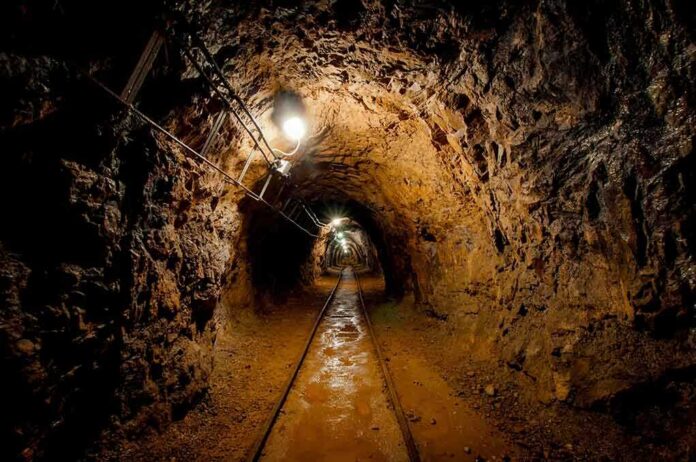
More than 200 miners died beneath tons of mud in a rebel-controlled region of eastern Congo, buried while digging for a mineral that powers your smartphone.
Story Snapshot
- At least 200 people killed when heavy rains triggered a catastrophic landslide at the Rubaya coltan mines on Wednesday
- M23 rebels have controlled the mines since May 2024, extracting over $800,000 monthly through taxation
- Rubaya supplies over 15% of the world’s tantalum, a critical component in electronics manufacturing
- Rescue operations continue with bodies still trapped in mud and injured miners transported to health facilities
- The disaster deepens a humanitarian crisis in a region where over 7 million people are already displaced
When Rebels Control Your Supply Chain
The Rubaya coltan mines sit in territory that doesn’t answer to the Congolese government. M23 rebels seized the town and its mineral wealth in May 2024, establishing a taxation regime that generates at least $800,000 every month. This isn’t a peripheral skirmish over worthless land. Rubaya produces over 15% of the world’s tantalum supply, making it strategically vital for global electronics production. Every smartphone, laptop, and gaming console depends on minerals extracted from places like this, where governance exists only at gunpoint.
Lumumba Kambere Muyisa, spokesperson for the rebel-appointed governor, confirmed more than 200 deaths on Saturday, three days after Wednesday’s landslide. Bodies remained buried in mud during his announcement. The rebel administration halted artisanal mining operations temporarily and ordered residents who built shelters near the mine to relocate. Ambulances transferred injured miners to three health facilities in Rubaya, with plans to transport the most severely wounded 50 kilometers to Goma. These aren’t hypothetical victims in a distant crisis. These are people who woke up Wednesday morning and went to work.
The Real Cost of Mineral Wealth
Heavy rains triggered the collapse, but rainfall doesn’t kill 200 people without systemic failure. Artisanal mining operations in conflict zones operate without safety standards, regulatory oversight, or accountability mechanisms that exist in legitimate mining jurisdictions. When armed groups control territory, worker safety becomes irrelevant compared to revenue extraction. The M23 rebels had every incentive to maximize production and taxation while minimizing operational costs. Safety equipment, structural reinforcement, and drainage systems cost money that cuts into monthly revenue streams.
Eastern Congo has endured decades of conflict involving government forces and various armed groups competing for control of mineral-rich territory. The M23 resurgence, backed by Rwanda according to multiple reports, represents the latest chapter in resource conflicts that have displaced over 7 million people. Another 100,000 fled their homes in 2025 alone. The United States brokered a ceasefire deal between Congo and Rwanda, motivated partly by strategic interests in securing access to critical minerals. Humanitarian concerns intersect awkwardly with supply chain priorities when Western governments need materials for domestic manufacturing.
Questions That Demand Answers
No independent verification confirms the casualty figures provided by rebel authorities. The Congolese government, with limited practical control in M23-held areas, hasn’t issued statements about the disaster. International humanitarian organizations haven’t provided assessments. The absence of independent observers raises legitimate questions about the actual death toll, the adequacy of rescue operations, and whether this disaster could have been prevented with proper safety protocols. Rebel governance doesn’t typically prioritize transparency or accountability to outside authorities.
The global electronics industry depends on coltan from regions like Rubaya, creating uncomfortable dependencies on supply chains controlled by armed groups in conflict zones. Consumers in developed nations benefit from affordable electronics without confronting the human cost of mineral extraction. Companies implement corporate responsibility policies and supply chain audits, but minerals from rebel-controlled territories still enter global markets through complex trading networks. Wednesday’s collapse won’t disrupt your ability to buy a new phone, but it should prompt serious questions about where those minerals originate.
A Humanitarian Crisis Without Resolution
The disaster compounds an existing humanitarian catastrophe in eastern Congo. The region’s 7 million displaced people already strain health infrastructure, food supplies, and basic services. Adding 200 deaths and dozens of injured miners to communities that lack adequate medical facilities creates cascading crises. The rebel-appointed governor can order mining halts and relocations, but M23 depends on coltan revenue for operational funding. Economic incentives will pressure authorities to resume operations quickly, potentially before adequate safety measures are implemented or before all bodies are recovered.
Climate patterns that produce heavy rains will continue affecting mining operations built without proper drainage or structural reinforcement. Artisanal miners will return to dangerous conditions because they have no alternative livelihoods in a region devastated by decades of conflict. The global demand for tantalum ensures that someone will extract minerals from Rubaya regardless of safety concerns. Until legitimate governance replaces rebel control, or until international pressure forces supply chain accountability, miners will continue working in conditions that can bury 200 people in minutes.
Sources:
At least 200 killed in coltan mine collapse in eastern Congo, rebel authorities say