
President Trump’s promise of $2,000 tariff-funded checks to American households has created a firestorm of speculation, but as of January 2026, not a single payment has reached ordinary citizens while tariff costs have already drained nearly $1,200 from the average family.
Story Snapshot
- No stimulus checks approved or distributed to the general public despite Trump’s December claims that 2026 could be the “largest tax refund season ever”
- American households have already paid approximately $1,198 in increased costs due to tariffs implemented between February and November 2025
- Tax Foundation analysis reveals a massive funding gap with projected tariff revenue of $207.5 billion falling hundreds of billions short of what’s needed for universal $2,000 payments
- Only military personnel have received dividend-style payments through housing supplements and Coast Guard bonuses
- Congress has not approved any new stimulus legislation and the IRS has issued no announcements about forthcoming payments
The Promise That Captured America’s Attention
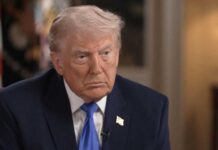
Trump made his boldest statement during a December 2 cabinet meeting, declaring the United States is collecting “trillions of dollars” from tariffs and suggesting Americans would receive dividend-style refund checks. He positioned 2026 as potentially the largest tax refund season in history. The proposal differs fundamentally from previous pandemic-era stimulus payments because it theoretically relies on executive authority over trade policy rather than Congressional legislation. This distinction matters because it creates a different legal pathway, one that sounds simpler but faces substantial practical obstacles that have become increasingly apparent.
The Mathematics Don’t Add Up
The Tax Foundation conducted a comprehensive November analysis that exposed the core problem with Trump’s proposal. Their research estimated that distributing $2,000 payments to all Americans would cost between $279.8 billion and $606.8 billion depending on the payment structure. Meanwhile, projected tariff revenue totals only $158.4 billion for 2025 and $207.5 billion for 2026. This creates a shortfall of at least $72 billion in the best-case scenario, and potentially more than $400 billion in other configurations. These numbers assume the tariff revenue could be entirely dedicated to dividend payments without addressing deficit reduction or other government obligations, making the proposal financially untenable without significant additional revenue sources or budget cuts.
What Americans Are Actually Experiencing
While tariff dividend checks remain hypothetical, the cost burden on households is concrete and measurable. Democrats on Congress’ Joint Economic Committee analyzed Treasury Department data and Goldman Sachs estimates to calculate that import taxes have extracted nearly $159 billion from American consumers between February and November 2025. This translates to approximately $1,198 per household in increased costs on imported goods. The tariff policy has functionally operated as a substantial tax increase on American families, one that has already exceeded any proposed dividend payment. This reality creates a troubling imbalance where citizens bear immediate costs while promised relief remains perpetually deferred.
Military Personnel Received Actual Payments
The only Americans who have received dividend-style payments are military service members. Approximately 1.28 million active duty members and 174,000 reservists received nontaxable supplements to their monthly housing allowances, funded through legislation allocating $2.9 billion for military housing. Separately, Coast Guard members received a “Devotion to Duty” bonus of $2,000 before taxes, amounting to approximately $1,776 after withholding. Trump signed the measure funding these bonuses in November as part of legislation keeping the government operating through January. These targeted payments demonstrate the government’s capability to distribute funds when proper legislative authorization exists, which makes the absence of broader stimulus payments more conspicuous.
Economic Experts Sound Inflation Alarms
Economists have raised substantial concerns that widespread dividend payments could trigger inflationary pressure by injecting hundreds of billions of dollars into consumer spending. These warnings echo arguments Republican lawmakers themselves made in 2021 when they opposed pandemic relief measures, claiming such payments contributed significantly to rising prices. The irony of the current situation has not escaped notice among policy analysts. Some Republican lawmakers and administration officials have privately expressed skepticism about both tariff and DOGE dividend proposals, suggesting internal recognition of the inflationary risks and fiscal challenges. The economic consensus indicates that even if funding obstacles were overcome, implementation could create new problems for American consumers already struggling with elevated prices.
Congressional Roadblocks and IRS Silence
Congress has provided no approval for new stimulus payments, and the IRS has made no announcements regarding forthcoming checks. This legislative vacuum matters because previous stimulus distributions required explicit Congressional authorization and detailed implementation plans. The IRS has instead focused its public communications on warning taxpayers about scams, as fraudsters frequently exploit stimulus rumors by sending fake emails, texts, and social media messages requesting money or personal information. The agency emphasizes it never contacts taxpayers through email, text messages, or social media channels. These warnings indicate the agency recognizes widespread public confusion about payment rumors but has no legitimate program to announce.
The gap between political messaging and policy reality reveals fundamental tensions in Trump’s economic approach. American households have absorbed tangible tariff costs approaching $1,200 per family while awaiting promised relief that faces insurmountable funding obstacles. The proposal functions effectively as political theater, offering hope of future payments while current policy extracts immediate costs. Conservative fiscal principles emphasize balanced budgets and skepticism of government spending programs that lack clear funding mechanisms. By those standards, the tariff dividend proposal fails basic accountability tests. Whether through intentional misdirection or optimistic miscalculation, the promise has created expectations that available revenue cannot fulfill without either massive deficit spending or unprecedented budget reallocation. Americans deserve honest accounting of what tariff policy costs them now versus what hypothetical dividends might someday provide.