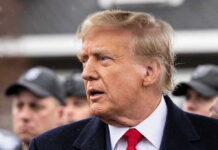


President Trump’s bold executive order forces over 5,000 lenders to end the weaponization of the banking system against conservatives, putting an immediate stop to debanking based on political or religious beliefs.
Story Snapshot
- The SBA mandates all lenders reinstate clients denied services for political, religious, or ideological reasons by December 5, 2025.
- Non-compliance will result in the loss of SBA standing and punitive measures for lenders, with reporting required by January 5, 2026.
- This marks the first sweeping federal action to crack down on politicized and unlawful debanking in the United States.
- Industry, legal, and advocacy groups are divided, with supporters celebrating restored rights and critics warning of regulatory overreach.
Trump Administration Moves to Restore Fair Access in Banking
On August 26, 2025, the U.S. Small Business Administration (SBA) issued a directive requiring more than 5,000 lenders to comply with new anti-debanking measures by December 5, 2025, in line with President Trump’s Executive Order 14331, “Guaranteeing Fair Banking for All Americans.” The directive compels lenders to identify and reinstate clients denied banking services due to politicized or unlawful debanking, notify affected parties, and report compliance. Lenders that fail to comply face the loss of their SBA standing and swift punitive action, signaling a decisive end to the discriminatory denial of financial services for ideological reasons.
The executive order draws a hard line against the politicization of banking, a practice that surged during previous administrations and left many right-leaning businesses, religious organizations, and advocacy groups unable to access critical financial services. This move is widely seen as a direct response to complaints that financial institutions, under pressure from federal regulators, shut out clients based on their viewpoints, including pro-life, Second Amendment, and faith-based organizations. By mandating lenders to audit past decisions and reinstate eligible clients, the administration seeks to restore constitutional protections and reverse years of perceived government and corporate overreach.
Historical Context: From Operation Choke Point to Executive Order 14331
The roots of politicized debanking trace back to Operation Choke Point (2013–2017), a controversial Obama-era initiative where federal agencies scrutinized banks serving so-called “high-risk” clients, often targeting firearms dealers, payday lenders, and other right-leaning organizations. Critics argued this amounted to government-driven discrimination against lawful businesses based on their views or industries. The issue intensified under the Biden administration, with numerous reports of banks and payment processors denying services to individuals and groups for ideological reasons. President Trump himself experienced debanking, prompting a personal and political drive to address the issue and ensure fair access for all Americans.
Congressional hearings, lawsuits, and mounting pressure from advocacy groups ultimately led to the Trump administration’s prioritization of fair banking access. Executive Order 14331, issued in August 2025, marks the first major federal action explicitly targeting politicized debanking. It mandates not only the reinstatement of affected clients but also the removal of “reputation risk” as an excuse for service denial—a concept frequently used to sideline conservative and faith-based organizations without financial justification.
Compliance, Enforcement, and Industry Response
Under the SBA mandate, lenders must notify affected clients and fully comply with anti-debanking requirements by December 5, 2025. Institutions have until January 5, 2026, to report their compliance to the SBA. The Treasury Department is simultaneously developing a broader anti-debanking strategy, while regulatory agencies are initiating reviews and investigations to ensure adherence. SBA Administrator Kelly Loeffler has made clear that failure to comply will result in loss of good standing and punitive measures, reinforcing the administration’s commitment to ending what many see as a coordinated attack on constitutional rights within the financial system.
The banking industry faces increased administrative burden and compliance costs, with some groups warning of regulatory overreach and potential negative effects on financial stability. Legal analysts note the unprecedented scope of the executive order, while advocacy organizations hail the move as a victory for free speech and religious liberty. The new regulations also set a precedent for future anti-discrimination measures across the financial sector, ensuring that the denial of services for political or religious reasons is no longer tolerated in American banking.
SBA orders banks to comply with Trump debanking executive order by December deadline https://t.co/eBsUsM6wOI
— FOX Business (@FoxBusiness) August 27, 2025
Looking ahead, the crackdown on politicized debanking is expected to reshape industry practices and reinforce the principle that financial access should not depend on ideology. Right-leaning groups, religious organizations, and other previously marginalized entities will see improved access to capital, while lenders adapt to enhanced oversight and reporting requirements. The SBA’s directive, rooted in the Trump administration’s constitutionalist approach, marks a decisive victory for those who demand fairness, transparency, and protection of traditional American values in the financial system.
Sources:
President Trump Issues Executive Order on Fair Banking
Executive Order Targets Politicized Financial Services
SBA Orders Banks to Comply with Trump Debanking Executive Order by December 5 Deadline
SBA Orders Lenders to End Practice of Debanking
Executive Order Targets Debanking