
The family of Kaylee Goncalves, one of the University of Idaho murder victims, is now planning to refund $85,000 in donations after a controversial plea deal let Bryan Kohberger dodge the death penalty—leaving donors and the public fuming over a system that seems allergic to real justice and transparency.
At a Glance
- Bryan Kohberger pleaded guilty to the murders of four University of Idaho students, avoiding the death penalty and waiving his right to appeal.
- The Goncalves family is attempting to refund $85,000 in GoFundMe donations intended for trial expenses, sparking strong reactions from frustrated donors.
- Victims’ families, especially Kaylee’s, feel blindsided and betrayed by prosecutors for not being informed about the plea deal in advance.
- The case reignites debate over the criminal justice system’s handling of victim rights, transparency, and the use of plea agreements in high-profile crimes.
Bryan Kohberger’s Plea Deal: Justice or Just Another Backroom Bargain?
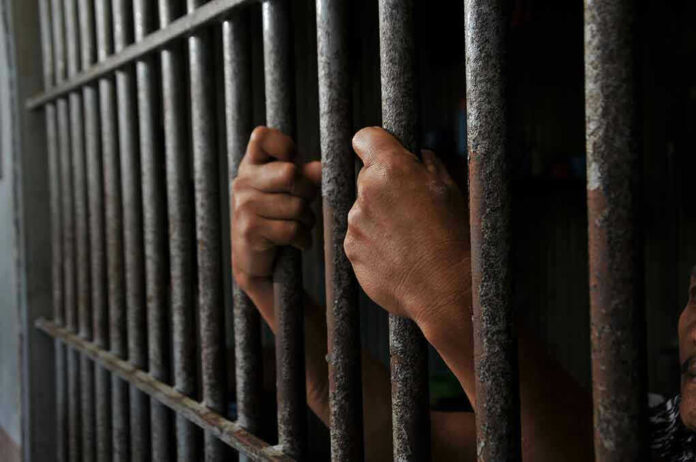
Bryan Kohberger, the accused killer of four University of Idaho students, entered a guilty plea on July 2, 2025, in a move that left the nation’s collective jaw on the floor. This plea deal not only spares Kohberger from the death penalty but also guarantees he’ll spend the rest of his life behind bars—four consecutive life sentences, plus a decade for burglary. But before anyone starts applauding, let’s be clear: the Goncalves family wasn’t even told about this arrangement until it was already a done deal. That’s right, the parents of a murdered daughter were left in the dark while the legal system brokered a deal that many say falls way short of justice. Kohberger’s agreement also waives his right to appeal, as if that’s a consolation prize for families who wanted answers, not legal loopholes.
The judge overseeing the case, Steven Hippler, made it crystal clear that the court isn’t bound by the plea agreement when it comes to sentencing. Still, the reality is Kohberger walks away from the ultimate punishment, and the families are left to pick up the pieces of a process that feels rigged in favor of expediency over accountability.
Donors Demand Accountability as Goncalves Family Moves to Return $85,000
In the wake of this legal sleight of hand, the Goncalves family announced plans to refund $85,000 in GoFundMe donations originally earmarked for trial-related expenses. This sparked a firestorm among supporters, many of whom now feel betrayed not just by the justice system, but by a process that seems more interested in optics than outcomes. The family’s decision comes after a groundswell of comments from donors urging them to keep the funds, citing their shared disgust with the plea deal and the lack of real justice delivered. Yet, the Goncalves family insists on doing the honorable thing—something the rest of the system could take a lesson from—by offering to return money they say is no longer needed for a trial that never happened. This debate over donations is a microcosm of the larger outrage: when justice is short-circuited, everyone gets shortchanged.
Steve Goncalves, Kaylee’s father, has been unflinching in his criticism of the process, calling out prosecutors for their failure to communicate and for shutting out the very families they’re supposed to represent. His public statements have resonated deeply with a country tired of being told to accept “solutions” that look more like cover-ups. Donors, meanwhile, continue to vent their frustration online, with many arguing that the family deserves the funds for their ongoing fight for real accountability.
Victims’ Families and Community Shut Out, Justice System Shrugs
The Goncalves family’s experience isn’t an outlier—it’s a warning flare for every American who still believes in the Constitution and the right to a transparent legal process. The University of Idaho community, already devastated by the tragedy, now faces the uncomfortable reality that their grief is being compounded by a justice system seemingly more concerned with expediency than with the truth. Vigils, memorials, and scholarships continue, but the sense of closure that a public trial might have provided has evaporated, replaced by a gnawing sense that justice was bartered away behind closed doors.
Legal experts, for their part, trot out the same tired lines about plea deals saving time and money, but that’s cold comfort to families who never got their day in court. The judge’s reminder that sentencing isn’t bound by the deal does little to offset the frustration. This isn’t simply about one case; it’s about a legal culture that increasingly sidelines victims and their families in the name of efficiency. The message to criminals is loud and clear: negotiate hard and you might just walk away from the worst penalties our laws allow. The message to victims’ families is equally clear: you’re on your own.
Sources:
CBS News: Bryan Kohberger University of Idaho Student Murders Plea Hearing
OPB: Washington State Grad Student Pleads Guilty
Northeastern University News: Bryan Kohberger Plea Deal