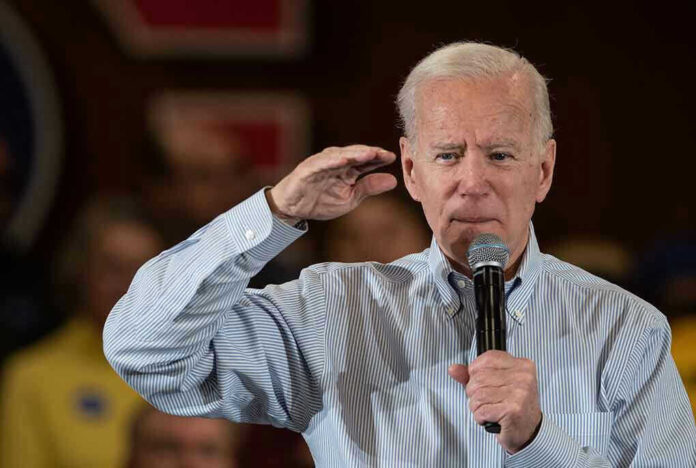
Democrat Senator Joe Manchin’s insider account reveals a tense standoff with President Biden, exposing the political fractures that defined the previous administration.
Story Highlights
- Manchin clashed with Biden over the Build Back Better Act, refusing to support the bill.
- Biden left a hostile voicemail after Manchin’s public opposition to the legislation.
- Manchin hoped for Republican Senate wins to preserve the filibuster.
- His memoir provides candid insights into legislative negotiations and personal tensions.
Manchin’s Defiance Against Biden’s Agenda
Joe Manchin’s memoir, *Dead Center: In Defense of Common Sense*, sheds light on the intense negotiations and private confrontations with President Joe Biden. Central to their disagreement was the Build Back Better Act, which Manchin opposed due to concerns about fiscal responsibility and inflation. Biden’s attempts to pressure Manchin included appeals to patriotism, which Manchin interpreted as overreach. Ultimately, Manchin’s opposition effectively stalled the bill, solidifying his role as a key swing vote in the Senate.
Manchin’s steadfast resistance to Biden’s domestic agenda gained him both praise and criticism. While many conservatives lauded his commitment to fiscal prudence, progressive activists criticized him for hindering significant policy advancements. This conflict underscored the broader ideological rift within the Democratic Party, with Manchin serving as a conservative bulwark against expansive government spending.
The Filibuster and Republican Strategy
Manchin’s memoir reveals his strategic desire to see Republicans regain control of the Senate to protect the filibuster. This procedural tool, requiring 60 votes for most legislation, was central to Manchin’s vision of bipartisan compromise. His efforts to preserve it reflect an institutionalist approach, prioritizing Senate norms over party loyalty. This stance, however, placed him at odds with many in his party who viewed the filibuster as a barrier to progressive reforms.
As Manchin’s account details, his relationship with Biden became deeply strained following his public opposition to the Build Back Better Act. The fallout included a significant communication gap between the two leaders, highlighting the personal and political costs of his pivotal role. Despite stepping away from the Democratic Party, Manchin’s influence on Senate norms and legislative dynamics remains significant.
Manchin’s Departure and Its Implications
In 2024, Manchin left the Democratic Party, registering as an independent and announcing his retirement. His departure marked the end of an era for centrist influence within the party. Despite his exit, the filibuster remains intact, continuing to shape legislative strategy. Manchin’s legacy as a dealmaker and defender of Senate traditions continues to resonate, reflecting both the opportunities and challenges of centrist politics in a polarized landscape.
Manchin’s memoir provides a rare, candid glimpse into the high-stakes world of legislative negotiations, illustrating the complex interplay of personal convictions and political strategy. His story resonates with those who prioritize institutional stability and fiscal responsibility, offering a counterpoint to the rapid policy shifts of recent years.
Sources:
Inside Manchin’s War with Biden on Electric Vehicles
Statement from President Joe Biden on Senator Joe Manchin