Justice failed over 150 cruise passengers after a hidden camera scandal resulted in shockingly lenient punishment—raising urgent questions about privacy, accountability, and victim rights at sea.
Story Snapshot
- A cruise passenger secretly filmed over 150 guests, including children, in public and semi-private spaces.
- The perpetrator received less than a year in prison and a $25 fine, despite federal law allowing harsher sentences.
- No restitution was provided to the victims, and authorities issued no public statements about the sentencing.
- The incident exposed serious gaps in cruise ship privacy protections and legal enforcement.
Lenient Sentencing Sparks Outrage Among Cruise Passengers
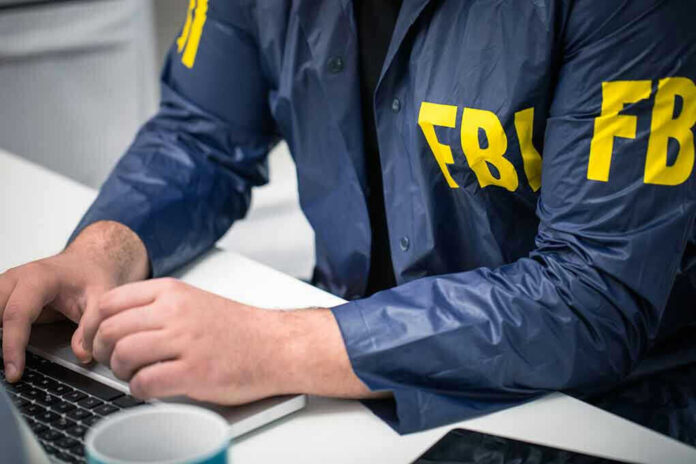
In April 2023, Jeremy Jonathan Froias, a former cybersecurity officer, installed a hidden Wi-Fi camera in a public bathroom aboard Royal Caribbean’s Harmony of the Seas, recording over 150 individuals—including at least 40 minors—while they were sleeping or undressed. The FBI quickly investigated and arrested Froias, but the outcome shocked the public: after serving less than a year, Froias was freed in May 2024 and paid only a $25 fine. This outcome stands in stark contrast to federal guidelines, which permit far harsher penalties for such crimes, especially involving children.
The lack of meaningful punishment and public accountability has outraged victims and conservative observers alike. Many families expected justice and restitution but instead received silence from both Royal Caribbean and the U.S. Attorney’s Office. Not a single press release detailed the reasoning behind the lenient sentencing, and no restitution has been offered to those whose privacy was violated. Legal experts and victim advocates have voiced strong criticism, arguing that weak consequences undermine public trust and embolden future offenders.
Technology and Security Gaps Fuel Privacy Risks Aboard Cruise Ships
Cruise ships have long been vulnerable to privacy violations, given the communal nature of bathrooms, lounges, and cabins. The ease with which a cybersecurity professional like Froias installed a covert Wi-Fi camera highlights glaring gaps in cruise ship security protocols. This incident follows a string of previous cases involving hidden cameras and unauthorized surveillance, yet cruise lines often fail to implement robust detection or prevention measures. Industry experts warn that without significant upgrades to security technology and staff training, passengers remain at risk of exploitation and abuse.
Despite widespread public concern and media coverage, cruise lines continue to exercise significant control over incident reporting. Victims, often with little influence, must rely on law enforcement and prosecutors—whose decisions have proven questionable in this case. The lack of transparency by both corporate and legal authorities further erodes trust, fueling calls for regulatory reform and stricter enforcement of privacy laws.
Victim Impact and Demand for Reform in the Cruise Industry
The ramifications of this privacy scandal are far-reaching. In the short term, cruise passengers are questioning the safety and integrity of the industry, with some reconsidering future travel plans. The incident has prompted negative publicity, calls for improved security, and demands for greater accountability from cruise operators and lawmakers. In the long term, experts anticipate potential regulatory changes, civil litigation, and a push for adoption of more advanced surveillance detection systems. The broader cruise-going public and industry stakeholders alike are grappling with heightened anxiety about privacy and safety at sea.
Maritime law experts point out that federal sentencing guidelines were disregarded, especially considering the involvement of minors. Security professionals stress the urgent need for cruise lines to better detect and prevent covert surveillance devices. Legal scholars highlight systemic issues in prosecuting privacy crimes at sea, including jurisdictional challenges and industry influence over investigations. Conservative Americans, who value family rights and limited government, see this case as a troubling example of inadequate justice and corporate evasion—demanding action to defend privacy, family values, and constitutional protections against technological overreach.