

As Mexican drug cartels escalate their attacks by surveilling and allegedly placing bounties on federal agents, the threat to U.S. law enforcement and national security reaches a level unseen in our history.
Story Snapshot
- Cartels are reportedly tracking and retaliating against DEA agents on U.S. soil, putting federal law enforcement and their families in direct danger.
- The Trump administration has declared major cartels as terrorist organizations, launched indictments, and placed multimillion-dollar bounties on cartel leaders.
- Calls for U.S. military action against cartels in Latin America have sparked diplomatic clashes with Mexico’s government.
- Cartel violence and corruption continue to destabilize communities in both the U.S. and Mexico, fueling the debate over border security and immigration policy.
Federal Agents Face Unprecedented Cartel Threats
In 2025, the United States faces a new era of cartel aggression, with Mexican organizations like the Jalisco New Generation Cartel (CJNG) and United Cartels going beyond drug trafficking to actively surveil, threaten, and retaliate against federal agents. Recent government confirmations reveal that DEA agents are being monitored within U.S. borders, a tactic previously unheard of outside war zones. Witnesses and informants have become targets, with their families suffering violent reprisals. This direct targeting of law enforcement signals a strategic shift, eroding the safety and morale of those sworn to protect American communities.
Senior DEA officials have publicly acknowledged the operational risks posed by cartel surveillance, warning that the threat is both pervasive and immediate. The escalation has prompted the Trump administration to act decisively, declaring CJNG a terrorist organization and offering up to $15 million for the capture of its leader, “El Mencho.” In August 2025, the United States unsealed indictments against United Cartels leadership, placing a $10 million bounty on “El Abuelo.” These measures represent a significant escalation in government response, moving from law enforcement to a counterterrorism footing. The Department of Justice has characterized these cases as a “powerful reminder” of how global cartels can infiltrate even the most secure American communities.
Political Fallout: Military Action and Diplomatic Tensions
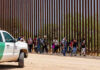
The intensification of cartel violence has reignited debates over border security and military involvement. Reports indicate that U.S. military assets have been directed to target cartel operations in Latin America—a move strongly rejected by Mexico’s president, who warns against foreign intervention. The U.S.-Mexico border remains a primary conduit for narcotics and criminal activity, with cartels maintaining well-funded distribution hubs in major American cities. Political tensions have risen as the Trump administration pushes for more aggressive enforcement, including expanded ICE raids and the removal of previous restrictions on arrests in sensitive locations such as schools and churches.
While the administration’s aggressive actions have led to a decrease in illegal border crossings, the climate of fear and uncertainty has intensified for both law enforcement and affected communities. The policy shift toward treating cartels as terrorist organizations could open the door to broader military operations, yet raises concerns about the potential for escalation and collateral damage. The Mexican government’s stance against U.S. military involvement highlights the delicate balance of sovereignty and international cooperation required to address the crisis.
Impact on Communities and Law Enforcement
Communities on both sides of the border are bearing the brunt of cartel violence, addiction, and corruption. Law enforcement officers and their families now face heightened risks, not only from direct attacks but also from sophisticated counterintelligence tactics employed by cartel operatives. The normalization of terrorism-like tactics by criminal organizations threatens the rule of law and public safety. Financial sanctions and asset freezes have disrupted some cartel operations, but the adaptability of these organizations poses ongoing challenges. Experts warn that continued escalation could further erode trust in institutions and increase the human and economic toll on American families.
'Dangerous and Unprecedented': Cartels Put Bounties on Heads of Federal Agents https://t.co/OJXaonIYVL
— TroonTown (@TroonToon) October 6, 2025
The evolving threat landscape demands a multifaceted response, combining legal, financial, and potentially military strategies. The robust actions taken by the Trump administration mark a turning point in America’s fight against cartel violence, but lasting solutions will require ongoing vigilance, bipartisan cooperation, and a commitment to defending the constitutional rights and safety of all citizens.
Sources:
US offers $10 million reward for United Cartels leader Juan José Farías Álvarez
The DEA says Jalisco New Generation Cartel spied on its agents in the United States
Narcotics Rewards Program – Mexican Targets