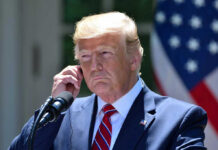
America’s largest bank just confessed in court documents to shuttering more than 50 accounts belonging to Donald Trump and his business empire weeks after January 6, 2021, raising explosive questions about whether financial institutions weaponized their power against conservative voices.
Story Snapshot
- JPMorgan Chase admitted closing over 50 Trump accounts in February 2021 through unsigned letters suggesting he find a “more suitable institution”
- The confession emerged in court filings responding to Trump’s $5 billion lawsuit alleging political discrimination
- CEO Jamie Dimon previously denied debanking based on political affiliation while the SEC blocked shareholder transparency efforts
- The closures affected hotels, housing developments, retail operations, and personal accounts tied to Trump’s inheritance
The Unsigned Letter That Launched A Billion Dollar Battle
JPMorgan Chase sent an unsigned letter dated February 19, 2021, to the Trump Organization informing them of mass account closures. The timing speaks volumes. Just weeks earlier, the Capitol riot had occurred, Trump’s first term ended, and corporate America scrambled to distance itself from anything bearing his name. The bank offered no specific explanation, simply advising Trump to seek banking services elsewhere. For a billionaire with vast real estate holdings spanning Illinois, Florida, and New York, plus retail operations and personal inheritance accounts, this wasn’t just inconvenient. It was financial excommunication.
When Wall Street’s Giant Blinked
The admission represents a stark reversal from Jamie Dimon’s previous public posture. The JPMorgan chairman insisted his institution closed accounts without regard to political leanings, declaring that “people have to grow up” and stating unequivocally that “we do not debank people for religious or political affiliations.” Yet here sits the court filing, black ink on white paper, confirming what Trump alleged all along. The disconnect between Dimon’s assurances and the documented reality raises uncomfortable questions about corporate transparency and whether America’s financial gatekeepers became enforcers of political orthodoxy during the Biden administration.
The SEC’s Convenient Blindness
The National Legal Policy Center attempted to force accountability in 2023 by filing a shareholder proposal demanding JPMorgan disclose any government requests for account closures. The Biden-era Securities and Exchange Commission intervened, allowing JPMorgan to exclude the proposal from shareholder voting by classifying it as “ordinary business.” This bureaucratic maneuver effectively shielded the bank from scrutiny precisely when questions about politically motivated debanking reached fever pitch. The NLPC questions whether the bank truly received government subpoenas justifying the closure of 50-plus accounts, or whether JPMorgan acted voluntarily under political pressure. That distinction matters enormously for understanding whether we witnessed bank risk management or ideological purging.
The Debanking Domino Effect
JPMorgan’s confession doesn’t exist in isolation. Trump publicly accused Bank of America and its CEO Brian Moynihan of similar practices against conservatives at the World Economic Forum. Capital One also reportedly rejected Trump business after January 6. This pattern suggests coordinated corporate behavior rather than isolated decisions. For everyday conservatives watching these developments, the implications are chilling. If financial institutions can arbitrarily sever relationships with a former president over political disagreements, what protection exists for ordinary citizens who express unpopular views? The lawsuit’s $5 billion price tag reflects not just Trump’s financial disruption but the broader principle at stake: whether banks should wield power as political arbiters.
The legal battle now enters discovery, where Trump’s attorneys will probe for evidence of government coordination or internal communications revealing political motivations. JPMorgan faces intense pressure to explain why an unsigned letter and vague language about finding “more suitable” banking constituted appropriate treatment for a longtime client whose accounts presumably generated substantial fees. Whether subpoenas existed, who authorized the closures, and what internal discussions preceded them will determine if this represents legitimate risk management or something far more troubling. For Americans concerned about financial censorship and corporate overreach, JPMorgan’s reluctant admission validates suspicions that major institutions collaborated in politically motivated account terminations during a volatile transition of power.
Sources:
#WeToldYouSo (and So Did the President): JPMorgan Chase Debanked Trump
JPMorgan Admits Closing Trump Accounts
JPMorgan Concedes It Closed Trump’s Accounts After Jan. 6 Attack