
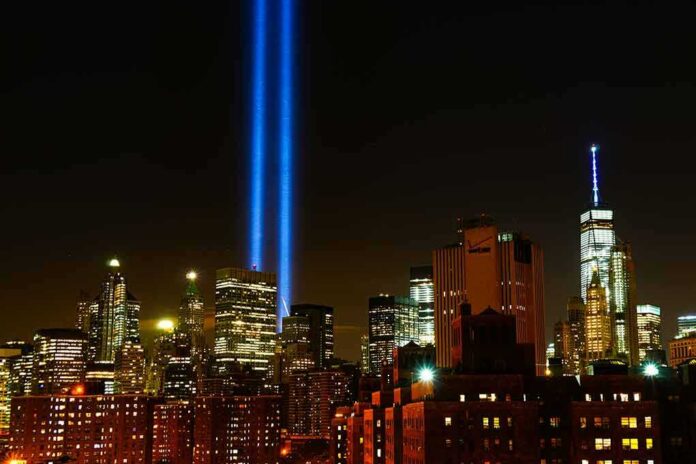
A leaked internal note told Canadian Broadcasting Corporation journalists: do not call the Sept. 11 attacks “terrorist attacks.”
Story Snapshot
- A leaked memo reportedly singled out 9/11 and banned the word “terrorist.”
- CBC standards leadership is named as tied to the guidance.
- CBC says this follows its long-running rule to use “terrorism” only with attribution.
- The clash revives a long debate over newsroom language and moral clarity.
What the Memo Said and Why It Hit a Nerve
Reports say a CBC internal memo ahead of the 25th anniversary of 9/11 told staff, “Do not refer to the Sept. 11 attacks as terrorist attacks.” The instruction, as described, also urged descriptive phrasing about the hijackings and the destruction at the World Trade Center. That single line sparked outrage because most people accept 9/11 as terrorism by al-Qaeda. The direct, categorical wording left little room for nuance in the public square.
Canadian institutions have been deeply penetrated by the Muslim Brotherhood and its Islamist agents…
With the 25th anniversary of 9/11 on the horizon, the CBC has circulated a memo to reporters and editors across all its news platforms reminding them not to refer to the… pic.twitter.com/p0kRbO206x— Rita Rosenfeld (@rheytah) August 27, 2026
Coverage linked the note to CBC’s standards team, naming a senior standards official in some reports. CBC’s public stance, quoted elsewhere, did not dispute the thrust: it said the guidance reflects a longstanding practice to use “terrorist” only with attribution. That means journalists can quote sources who say “terrorist,” but CBC avoids stating it in the reporter’s voice. The focus on 9/11 made this feel less like neutral style and more like selective restraint.
What CBC Says Its Policy Has Been All Along
Published CBC guidance explains the rule in plain terms: avoid labeling a specific bombing or assault as “terrorist” unless the term is attributed. It argues the words carry politics and emotion that can cloud reporting. The guide even cites the 2001 attacks and says CBC prefers to call them “the Sept. 11 attacks.” The organization frames this as consistency across stories and countries, not a one-off exception for the United States.
CBC’s explanation after the leak again stressed that the attribution rule applies to 9/11 and other major attacks, including London 2005, Madrid 2004, and Moscow 2011. That answer is tidy, but it does not blunt the core public reaction. Most readers do not need a style guide to see 9/11 for what it was. When policy language collides with common sense, the public tends to side with common sense.
Why This Fight Keeps Returning in Big Newsrooms
Large outlets often avoid stating “terrorist” in the reporter’s voice without attribution. They aim to cut claims of bias and keep standards uniform across many conflicts. That goal makes operational sense for lawyers and editors. But it breaks the audience’s trust when the policy feels like hair-splitting. People expect plain words for plain facts. If the newsroom ducked a label that matches the act, viewers read it as euphemism dressed up as neutrality.
Peer organizations have wrestled with this same issue for years. Wire services and public broadcasters have adopted similar practices, which they defend as consistent and careful. The problem is not the intent. The problem is how these rules land with the public during clear-cut cases. When the target is a school, a train full of commuters, or the World Trade Center, restraint can look like retreat from moral reality rather than fairness.
The Judgment Call: Precision or Evasion?
The leaked line’s power rests in four words: “Do not refer to…” That is not a call for care. That is a ban. CBC says the memo was a reminder of an old rule. That may be true as an internal matter, and the published guidance backs that up. Yet the instruction, as reported, singled out one of history’s most obvious terror attacks. The move invites the charge that policy trumped clarity at the exact moment clarity mattered most.
CBC journalists have been told not to call the 9/11 attacks “terrorism” ahead of the 25th anniversary, according to a leaked internal memo.
The directive renews scrutiny of CBC’s controversial language policy following Hamas’ Oct. 7 terrorist attack.https://t.co/gkFidkIahk
— Juno News (@junonewscom) August 27, 2026
There is a fair middle path that respects facts and audience trust. Use attribution where needed in murky cases. But in settled cases, call the thing what it is in the reporter’s voice, and then add legal or diplomatic nuance as needed. Americans, Canadians, and anyone who watched that day unfold know the truth without footnotes. Newsrooms earn trust when they speak plainly first, and carefully second.
Sources:
pjmedia.com, unpublished.ca, mediaite.com, x.com
© ournationnews.com 2026. All rights reserved.