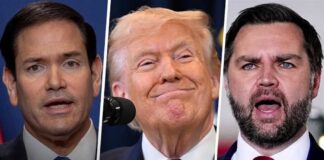

Bill Maher just did what few liberal commentators dare: he defended Donald Trump’s Pearl Harbor joke by calling out his own side’s hypocrisy on comedy.
Story Snapshot
- HBO’s Bill Maher defended Trump’s Pearl Harbor quip made during a March 2026 meeting with Japan’s Prime Minister, claiming selective outrage rules comedy criticism.
- Trump joked about the 1941 attack while pressing Japan for military support on Iran, sparking backlash from Jimmy Kimmel and diplomatic concerns.
- Maher argued audiences would laugh if comedian Shane Gillis delivered the same line, exposing liberal double standards on edgy humor.
- The controversy fueled ratings for Maher’s show and boosted Gillis’s career while revealing deep fractures in how Americans judge presidential conduct.
When Presidential Humor Meets Historical Wounds
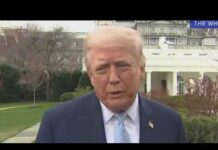
President Trump cracked a Pearl Harbor joke during high-stakes alliance negotiations with Japan’s Prime Minister on March 18-19, 2026. The comment surfaced while Trump pressed for Japanese military backing in potential Iran conflicts, invoking the 1941 attack that killed 2,403 Americans and launched the U.S. into World War II. The remark landed during discussions on defense burden-sharing, echoing Trump’s signature “America First” pressure tactics from his first term. Japanese officials responded with measured diplomacy, calling it “unfortunate phrasing” through NHK broadcasts, avoiding escalation while signaling discomfort with mixing historical trauma and transactional negotiations.
The timing amplified scrutiny. Trump seeks a $200 billion defense boost amid escalating Middle East tensions following Israeli strikes on Iranian gas reserves just days earlier. His campaign promised restraint on foreign wars, yet the Pearl Harbor wisecrack emerged while advocating for allied military commitments that could drag the U.S. deeper into conflict. Critics seized on the contradiction between Trump’s no-war rhetoric and his push for Japan to remember past grievances as leverage for current geopolitical demands.
The Late-Night Comedy Battleground
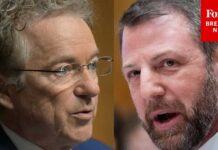
Jimmy Kimmel pounced first on March 20, 2026, mocking Trump’s joke as tone-deaf ignorance during his ABC show. Kimmel framed it as evidence of Trump’s diplomatic incompetence, linking the Pearl Harbor reference to reckless Iran war drumming. Hours later, Maher flipped the script on HBO’s Real Time. He dismissed the outrage, asserting comedy operates on double standards where political affiliation determines acceptable humor boundaries. Maher’s defense wasn’t about Trump’s diplomacy but about exposing what he sees as liberal hypocrisy: audiences police conservative humor while granting progressive comedians license for equally edgy material.
Maher invoked Shane Gillis, the comedian fired from Saturday Night Live in 2019 for racial jokes who’s since become an anti-woke comedy icon. Maher’s premise cuts deep: if Gillis delivered Trump’s Pearl Harbor line in a stand-up set, liberal audiences who condemn Trump would laugh. The comparison spotlights how context and performer identity shape outrage more than content itself. Gillis represents comedy’s resistance to cancel culture, thriving precisely because he refuses to apologize for offensive material. Maher positioned Trump’s joke within that framework, arguing the president’s real crime wasn’t the substance but his party affiliation.
Double Standards or Diplomatic Disaster
Maher’s argument holds merit when examining comedy’s subjective enforcement. Progressive audiences celebrate Dave Chappelle’s race-based humor while condemning similar material from conservative voices. A New York University media professor acknowledged this inconsistency exists, noting liberals routinely excuse edgy jokes from aligned performers. Polls reflected America’s split: 45 percent found Trump’s remark funny, while 55 percent deemed it inappropriate. The divide mirrors broader partisan rifts where identical statements receive opposite receptions based on who speaks them. Maher’s “honest liberal” brand thrives on calling out his side’s contradictions, maintaining credibility by refusing tribal loyalty.
Yet Maher’s defense ignores crucial distinctions between presidential conduct and stand-up comedy. Trump spoke as commander-in-chief during formal diplomatic proceedings, not a comedian working a club. Presidential words carry policy weight and international consequences that comedy routines don’t. A Smithsonian historian noted Pearl Harbor remains sensitive in U.S.-Japan relations despite decades of alliance-building. Trump’s joke risked undermining trust during negotiations requiring Japanese military commitments. The president’s role demands restraint comedians needn’t observe. Conflating the two contexts serves Maher’s cultural commentary but dismisses legitimate concerns about presidential professionalism affecting strategic partnerships.
Winners and Losers in the Outrage Economy
The controversy delivered measurable benefits to specific players. Real Time ratings spiked as Maher’s contrarian take drew viewers hungry for non-conformist liberal voices. Shane Gillis saw streaming numbers jump 30 percent and tour ticket sales surge despite no direct involvement beyond Maher’s comparison. His career gains validate Maher’s thesis that anti-woke comedy resonates commercially, rewarding performers who reject progressive speech codes. Trump’s base energized around the joke as evidence of media overreach, turning diplomatic friction into culture war fuel that strengthens his authenticity brand against elite criticism.
Japanese-American groups protested the joke, though responses remained limited compared to domestic political theater. The incident amplified cancel culture debates, with conservatives citing it as free speech vindication while liberals condemned normalization of presidential crassness. Late-night television’s partisan split deepened, with Kimmel and Maher representing opposed approaches to Trump coverage. The broader comedy industry noted a “Gillis effect” where risky material increasingly pays dividends as audiences tire of sanitized entertainment. Economic incentives now favor edginess over caution, reshaping what performers risk saying and networks risk airing.
The Real Joke Might Be on All of Us
Maher exposed genuine inconsistencies in how Americans evaluate humor based on political tribalism. His Gillis comparison illuminates selective outrage that undermines principled criticism. Yet defending presidential conduct by comedy standards conflates distinct responsibilities. Trump’s joke served his base while complicating foreign policy objectives, prioritizing domestic political points over alliance management. The question isn’t whether comedy should have boundaries but whether presidents should exercise judgment comedians needn’t. Maher’s critique lands because liberal double standards exist, but absolving Trump’s diplomatic misstep to score cultural points trades substance for spectacle in ways that benefit neither honest comedy nor serious governance.